
Healthcare Technology News Today: What Matters for Patient Care
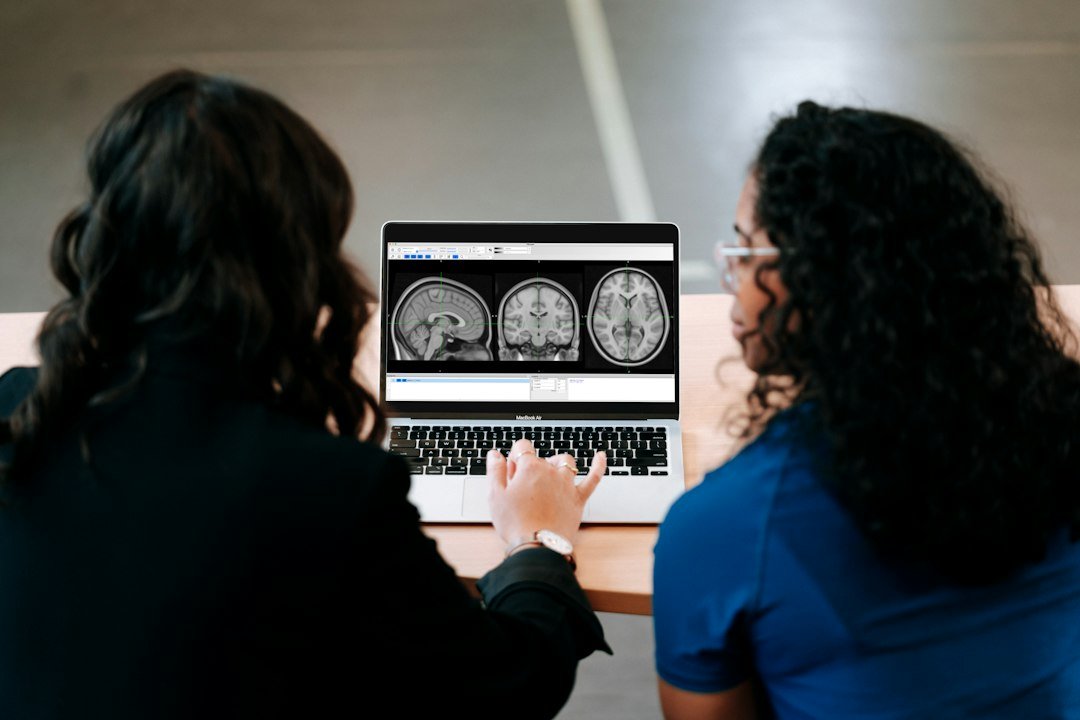
The key healthtech developments to watch in October 2026 span faster genetic diagnosis, AI-assisted cancer screening, patient-navigation tools, and outbreak forecasting. Some have been tested with clinical or public-health partners. Others remain research projects or proposals, not tools ready for routine care.
The distinction matters: a promising study result is not the same as proven benefit for patients. As we look at each update, we’ll separate what has been tested from what still needs wider validation, privacy safeguards, and clinical review.
Major Breakthroughs in Healthcare Technology News Today
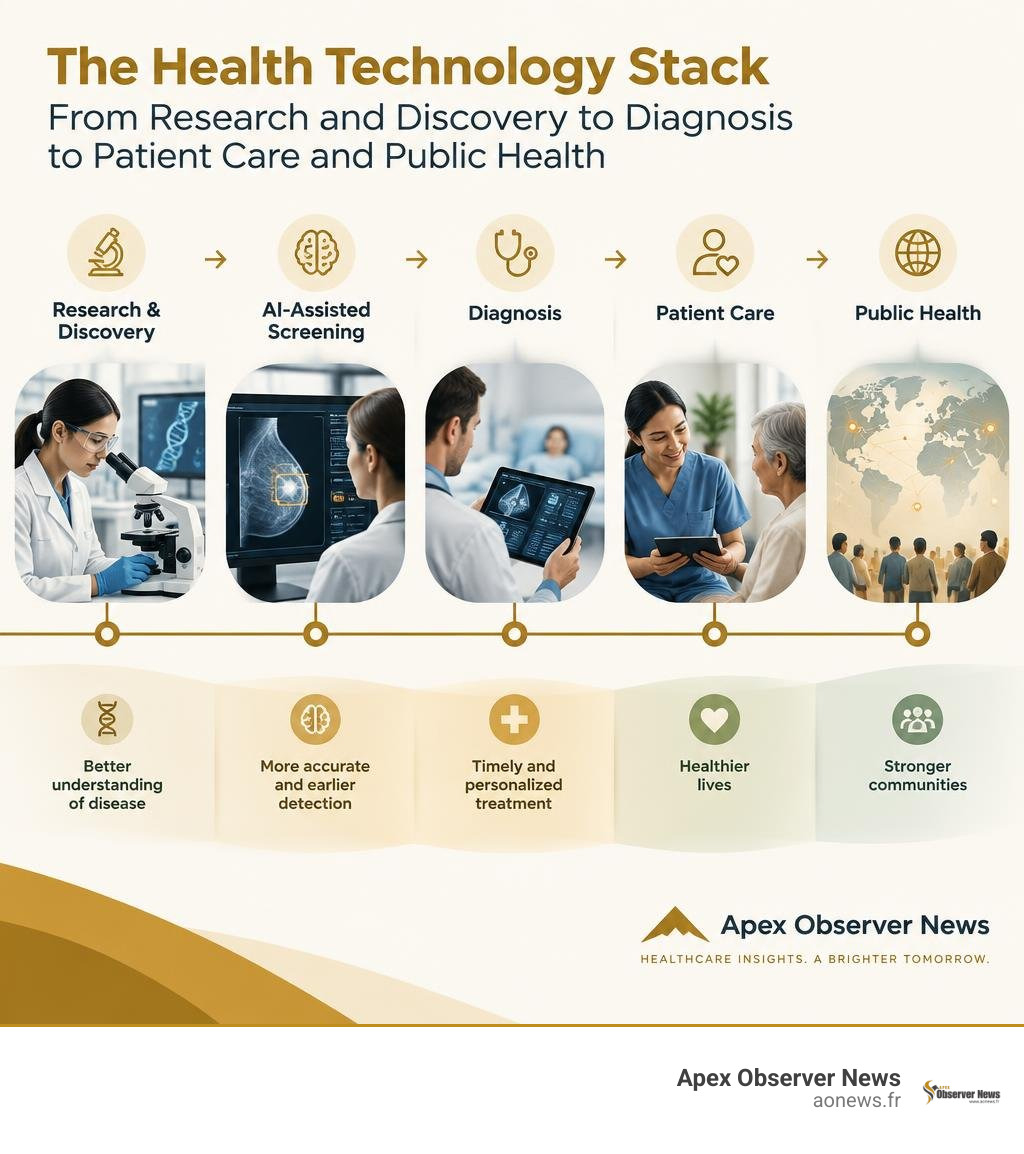
The pulse of modern medicine is accelerating. Across research institutes and hospital wards, emerging systems are shifting from experimental benchmarks to bedside applications. However, not all innovations share the same level of clinical maturity. While some platforms are undergoing rigorous clinical trials, others represent early-stage conceptual frameworks or infrastructure investments designed to bear fruit over the coming decade.
To understand the broader landscape of healthcare technology news today, we must examine how major market participants are structuring their health initiatives across distinct architectural layers:
| Organization / Initiative | Core Architectural Focus | Key Real-World Milestone / Validation | Current Clinical Readiness |
|---|---|---|---|
| Google Health AI Stack | Full-stack discovery, diagnostics, and outbreak response (AlphaFold, DeepVariant, Mammography AI) | Whole-genome diagnosis in <8 hours; CDC #1 flu forecasting system | Mixed: High for sequencing and epidemiology; In trial for clinical imaging |
| Ortet | Unified patient-centered foundation models bridging clinical, genomic, financial, and operational data | Backed by a $500M commitment; partnership covering large health systems | Early-stage: Infrastructure development and model architecture training |
| Anthropic | LLM-powered patient navigation and administrative orchestration interfaces | Closed-door briefing to HHS leadership on automated navigation | Proposal stage: Pre-pilot exploration with federal stakeholders |
| Academic Generative Research (e.g., Adaptive-CGAN) | High-fidelity synthetic chest radiograph augmentation | Diagnostic accuracy uplift from 93.75% to 99.60% on benchmark scans | Research grade: Data augmentation for algorithm training only |
Clinical AI Diagnostics in Healthcare Technology News Today
At the clinical coalface, the immediate value of computational intelligence lies in triage optimization and workflow acceleration. Diagnosticians face unprecedented volume spikes, leading to cognitive fatigue and delayed reporting. AI diagnostic tools act as specialized secondary readers, flagging urgent pathologies within imaging queues and highlighting subtle abnormalities that require human re-examination.
Building reliable diagnostic algorithms requires rigorous, real-world stress testing. As outlined in our practical guide to artificial intelligence in healthcare, algorithms must prove robust against institutional distribution shifts, diverse patient demographics, and varied imaging hardware before entering routine clinical workflows.

Next-Generation Genomic Sequencing and Disease Detection
Genomics has emerged as one of the most mature frontiers for deep learning in healthcare. Legacy sequencing pipelines often struggle with noise and base-calling ambiguity, requiring extensive computational processing time. Google’s DeepVariant and DeepConsensus architectures have fundamentally transformed this paradigm by treating genomic read interpretation as an advanced computer vision problem.
In a landmark clinical trial conducted at Stanford University, the combination of DeepVariant and DeepConsensus enabled comprehensive whole-genome diagnosis in less than 8 hours. For critically ill infants in neonatal intensive care units, reducing sequencing turnaround from weeks to hours can be the difference between targeted therapy and severe developmental impairment.
Similarly, in oncology, precision detection of low-frequency variants is essential. At Children’s Mercy Hospital, clinicians deploying Google’s DeepSomatic tool discovered 10 previously missed somatic mutations in pediatric leukemia cases. These subtle genetic variations provide critical insights for tailoring targeted therapies, showcasing how advanced genomic variant callers directly influence therapeutic decision-making.
Generative AI and Medical Imaging Advancements
Medical imaging data is notoriously difficult to acquire, curate, and share due to stringent patient privacy rules and the inherent rarity of certain clinical conditions. Generative adversarial networks (GANs) and diffusion architectures are stepping into this breach by generating photorealistic, synthetic imaging cohorts that allow researchers to train diagnostic networks without exposing protected health information.

However, generating artificial diagnostic data introduces profound ethical questions. As we explore in our analysis of why ethics matter in the future of artificial intelligence, synthetic medical datasets must maintain absolute fidelity to true pathology without hallucinating artifacts or reinforcing existing demographic biases.
Sustainable Synthetic Data Generation with Adaptive-CGAN
A significant breakthrough in synthetic medical data comes via the Adaptive-CGAN framework, detailed in a recent study on AI chest X-ray synthesis. Traditional conditional GANs often suffer from mode collapse or fail to capture the subtle radiographic patterns that distinguish complex pulmonary diseases.
Adaptive-CGAN overcomes these hurdles by injecting class embeddings across every layer of the generator network and utilizing a dual-output discriminator that simultaneously scores image realism and classifies pathological features.
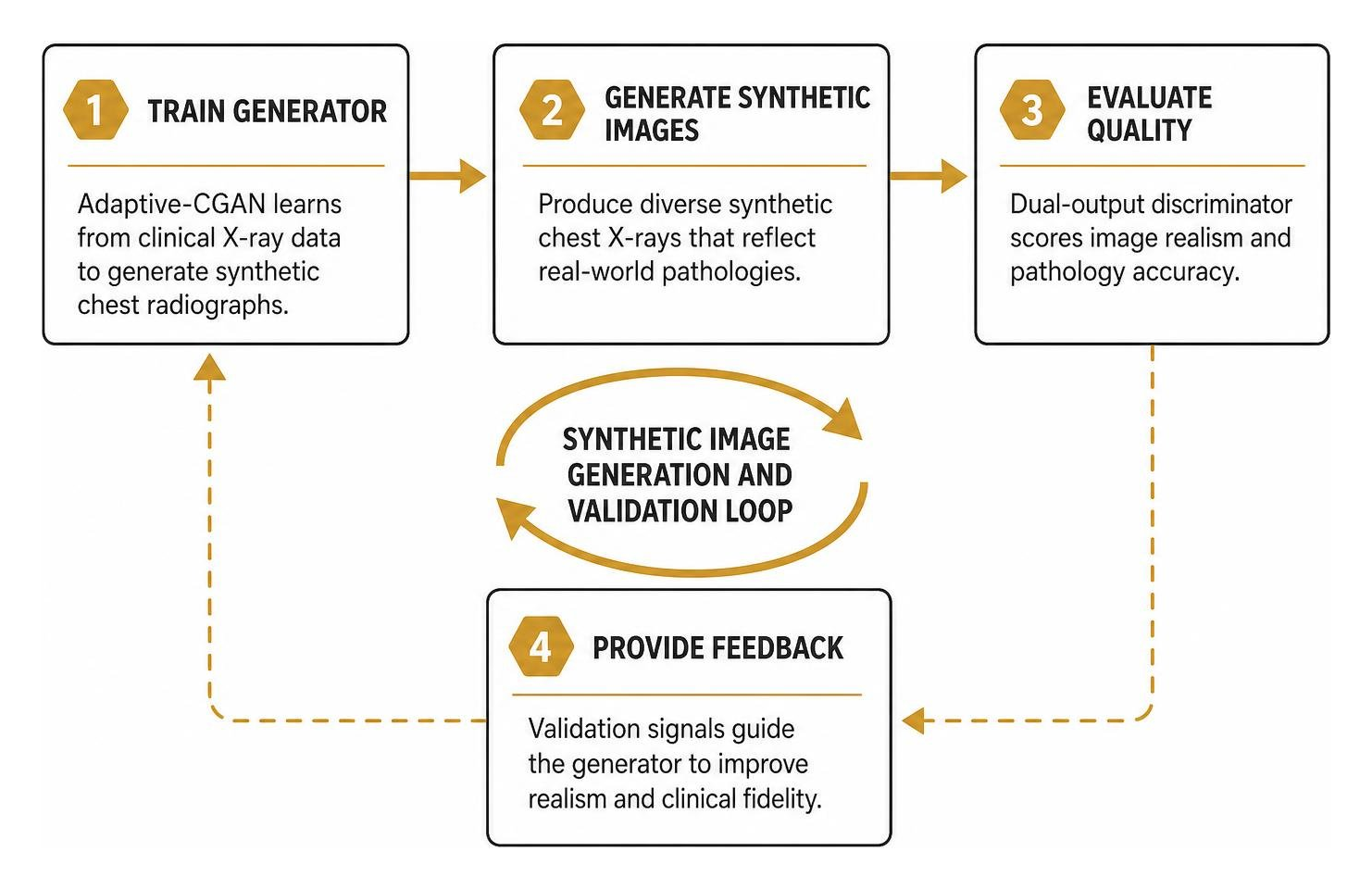
The performance improvements are striking:
- Downstream diagnostic classification accuracy jumped from 93.75% with baseline AC-GAN architectures to 99.60% when augmented with Adaptive-CGAN synthetic samples.
- The model achieved an Inception Score improvement of 17.65%, reduced Fréchet Inception Distance (FID) by approximately 8%, and dropped conditional entropy from 3.8 to 0.15 nats.
- Mode coverage expanded to 94.2% compared to just 63.2% in baseline pipelines.
Importantly, the authors demonstrated that high-performance AI development does not require excessive carbon overhead. By executing their pipeline on Google Cloud Platform with optimized TFRecord data loaders, the team achieved a 9.5% reduction in CO2 emissions and a 15.8% increase in training speed, setting a benchmark for environmentally sustainable AI engineering in medicine.
Mammography Screening and Specialist Workflow Optimization
Breast cancer screening remains one of the highest-volume, most labor-intensive diagnostic tasks in radiology. Google’s mammography AI system has demonstrated substantial diagnostic sensitivity in large-scale international studies encompassing more than 125,000 women. Most notably, the model identified 25% of historically missed interval cancers—malignancies that developed between regularly scheduled screening rounds.
Furthermore, predictive modeling indicates that integrating AI as an independent pre-screening reader could reduce specialist reading workloads by up to 40%.
However, translation to universal practice is not automatic. Japanese medical reviews have warned that diagnostic workload savings vary considerably based on local healthcare infrastructure, specialist-to-patient ratios, and baseline recall rates. Mitigating false positives is critical to prevent unnecessary biopsies and patient anxiety, requiring localized validation before regulatory deployment.
Enterprise Platforms, Connectors, and Health Data Infrastructure
The contemporary hospital enterprise is plagued by fragmented data systems. Electronic health records (EHRs), laboratory information management platforms, radiology archives, and billing databases frequently operate in isolated silos, leaving care teams with an incomplete view of the patient journey.
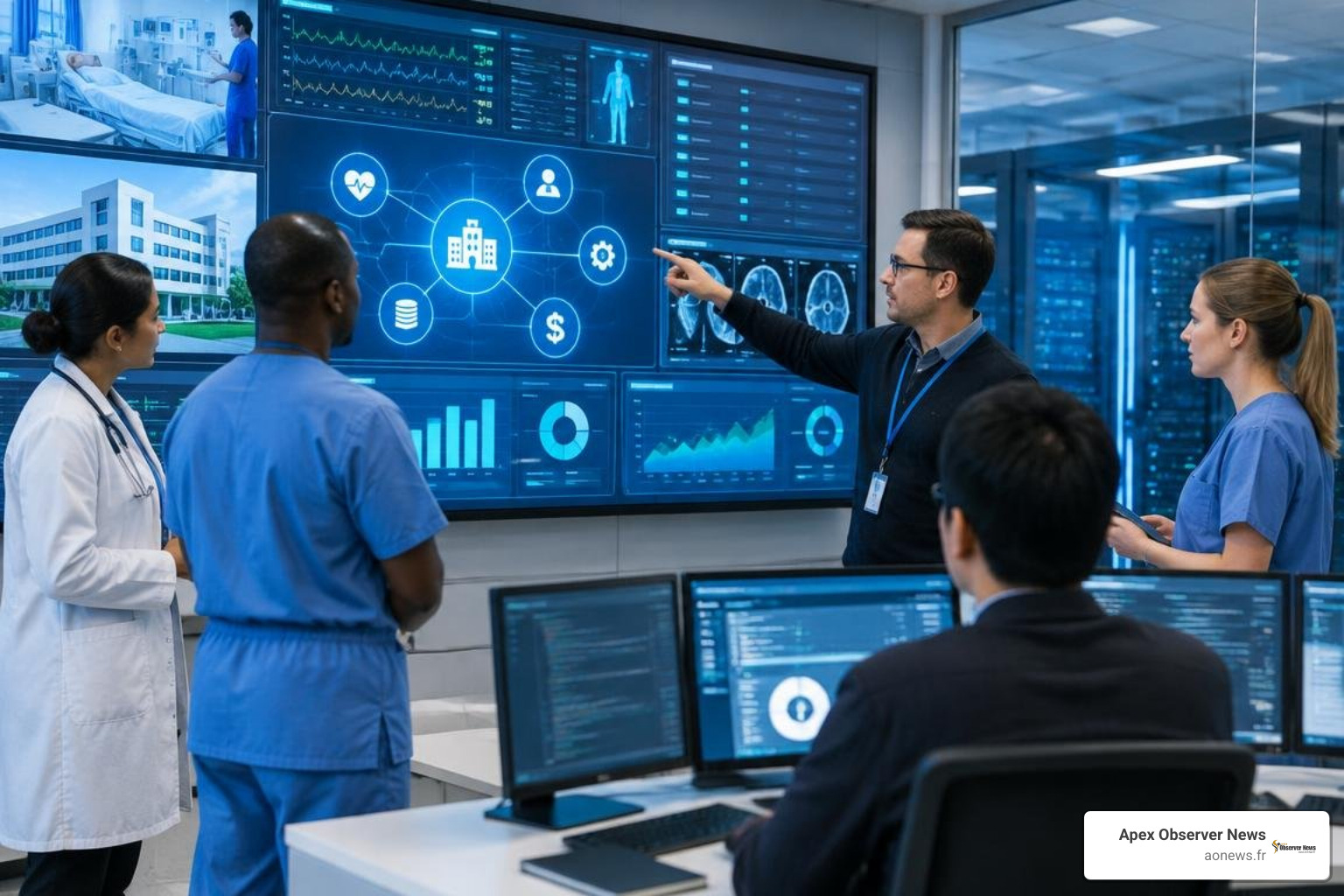
Connecting these disparate repositories demands stringent safeguards. As detailed in our overview of the cybersecurity landscape and digital protection, health data architectures must balance interoperability with zero-trust security protocols to ensure strict HIPAA compliance and safeguard sensitive patient records against external intrusions.
Policy and Infrastructure Shifts in Healthcare Technology News Today
Federal agencies are actively exploring how large language models can resolve administrative gridlock in public health services. On October 1, 2026, Anthropic presented a private briefing to officials at the U.S. Department of Health and Human Services (HHS), pitching an AI-run healthcare connector based on its Claude architecture, as reported in coverage of the Anthropic HHS healthcare connector pitch.
The proposed system aims to serve as an intelligent orchestration layer for patient navigation. By synthesizing policy documentation, insurance coverage matrices, and clinical directories, the connector could automate complex administrative tasks:
- Guiding patients through Medicaid and Medicare eligibility checks in natural language.
- Generating automated referrals and scheduling specialist consultations.
- Streamlining prior authorization paperwork that routinely delays therapeutic interventions.
While federal adoption remains in preliminary discussions, the initiative reflects a growing appetite for private-sector AI infrastructure in public healthcare governance.
Unifying Health Ecosystems: Ortet’s $500M Foundation Platform
Rather than building point solutions for single tasks, modern healthtech is pivoting toward comprehensive, multimodal foundation models. Embodying this ambition, startup Ortet officially launched with a massive $500 million investment commitment from Thoreau.
Led by prominent AI scientists including Kyunghyun Cho and Jeff Hammerbacher, Ortet is constructing a unified, patient-centered foundation platform. Unlike conventional medical algorithms trained solely on pixel data or medical text, Ortet integrates four interconnected pillars of health:
- Biological Data: Genomic sequences, proteomics, and molecular assays.
- Clinical Data: EHR trajectories, doctor notes, and imaging series.
- Operational Data: Bed management, nursing staff allocation, and scheduling logs.
- Financial Data: Claims streams, billing codes, and payer reimbursement schedules.
By deploying this shared intelligence layer across partners like Ensemble Health—which manages over $55 billion in net patient revenue—Ortet aims to create a closed-loop system where scientific discovery, bedside care delivery, and operational workflows inform one another in real time.
Predictive Public Health and AI-Driven Drug Discovery
The scope of healthcare technology extends beyond individual clinics to global disease surveillance and molecular engineering. Connecting advanced algorithms with public health infrastructure enables proactive responses to emergent epidemiological threats and accelerates the development of novel therapeutics.
These large-scale computational initiatives increasingly draw on distributed telemetry from smart IoT medical devices, aggregating anonymized data to identify shifting disease trends before traditional clinical registries register the surge.
Outbreak Forecasting from Ebola to Seasonal Influenza
Early intervention during infectious disease outbreaks saves lives by guiding resource allocation before hospital networks become overwhelmed. Google’s geospatial AI models have been integrated into public health operations across Central Africa, supporting the World Health Organization Regional Office for Africa (WHO AFRO) and the Democratic Republic of the Congo’s Institut National de Recherche Biomédicale (INRB).
By analyzing high-resolution environmental, demographic, and mobility datasets, the model forecasts transmission vectors for hemorrhagic fevers like Ebola, enabling authorities to deploy mobile laboratories and ring-vaccination teams ahead of transmission surges.
In seasonal respiratory monitoring, machine learning has similarly outpaced traditional statistical baselines. In the CDC’s 2025–2026 comparative evaluation encompassing 39 predictive models, Google’s flu forecasting system ranked first overall for predicting flu-related hospital admissions nationwide, demonstrating the operational power of modern epidemiological AI.
Molecular Mapping and Accelerating Precision Therapeutics
At the sub-cellular scale, computational biology is compressing decades of wet-lab experimentation into weeks of targeted in silico modeling. Following the impact of AlphaFold, tools like the AlphaGenome Atlas and AlphaProtein Novo are mapping non-coding genomic regions and designing de novo enzymes tailored to specific molecular targets.
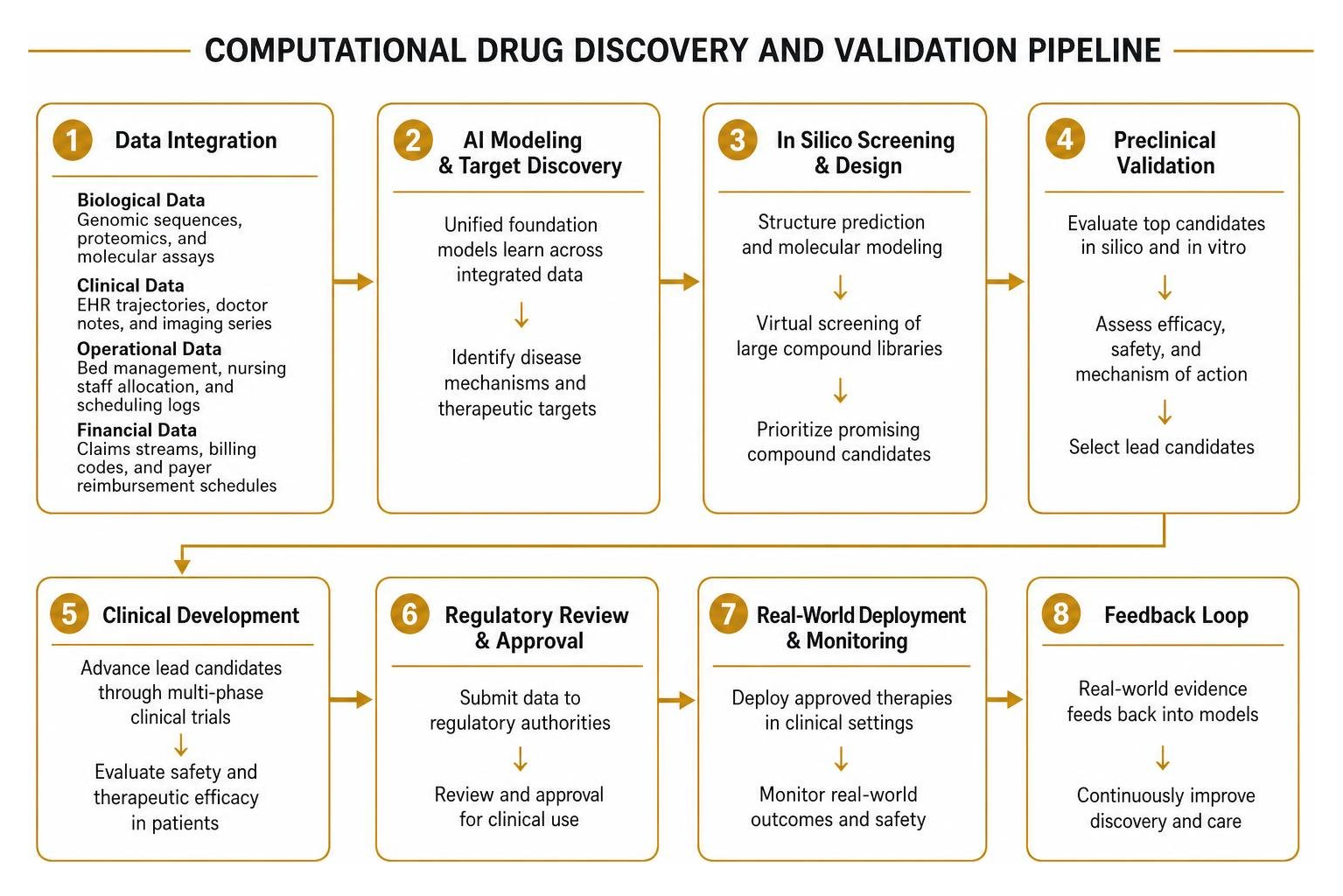
In a notable pre-print study focusing on neglected tropical diseases, researchers utilized AlphaFold-derived structural models to screen a computational library of 30,000 chemical compounds against Chagas disease enzymes. The virtual screen successfully identified two FDA-approved compounds exhibiting potent inhibitory activity, drastically shortening the timeline toward human trials.
While de novo compounds still require extensive multi-phase clinical validation, in silico screening represents a vital accelerator for pharmaceutical discovery.
Frequently Asked Questions About Recent HealthTech Innovations
How are generative AI models improving diagnostic accuracy in medical imaging?
Generative architectures like Adaptive-CGAN address the widespread challenge of medical data scarcity. By synthesizing diverse, photorealistic radiographs and cross-sectional scans across varied patient demographics, these models augment training pipelines without violating patient privacy. The integration of dual-output discriminators ensures that synthetic samples preserve critical diagnostic textures, boosting downstream classification performance to near-perfect levels while reducing algorithmic bias against underrepresented clinical cohorts.
What is the role of patient-centered foundation models in modern healthcare?
Patient-centered foundation models, such as the platform being developed by Ortet, unify fragmented health domains—including molecular genomics, clinical histories, hospital operations, and financial records—into a single multimodal system. Instead of deploying isolated point tools for narrow tasks, these platforms capture the holistic context of a patient’s health trajectory, enabling earlier disease detection, individualized therapeutic recommendations, and streamlined care administration.
How close are AI outbreak forecasting and genomic diagnostic tools to everyday clinical use?
Clinical readiness varies significantly by domain:
- High Readiness: Genomic variant interpretation tools (e.g., DeepVariant) are already deployed in premier hospital sequencing pipelines like Stanford and Children’s Mercy, delivering whole-genome results in under 8 hours. Public health forecasting models are actively leveraged by the CDC and WHO for resource allocation.
- Moderate Readiness: AI-assisted mammography screening platforms are undergoing extensive clinical validation and pilot rollouts, navigating regional regulatory hurdles and false-positive calibration.
- Early Stage: Administrative healthcare connectors and de novo AI-designed therapeutic compounds remain in exploratory pilot phases and pre-clinical laboratory verification.
Conclusion
The latest healthcare technology developments demonstrate a clear paradigm shift: medical AI is transitioning from isolated experimental models into integrated, full-stack systems spanning discovery, clinical diagnosis, enterprise operations, and public health intelligence.
However, moving from groundbreaking benchmark statistics to meaningful improvements in bedside care requires continuous vigilance. Healthcare leaders, clinicians, and regulatory authorities must remain focused on algorithmic transparency, strict data privacy, equitable access across diverse patient populations, and comprehensive clinical validation.
At Apex Observer News, our editorial team adheres to rigorous fact-checking standards to deliver accurate, balanced reporting on the technologies transforming medicine. As these innovations continue to evolve, separating genuine clinical utility from early research promises remains essential for advancing patient care.