


How Artificial Intelligence in Healthcare Helps Patients and Clinicians
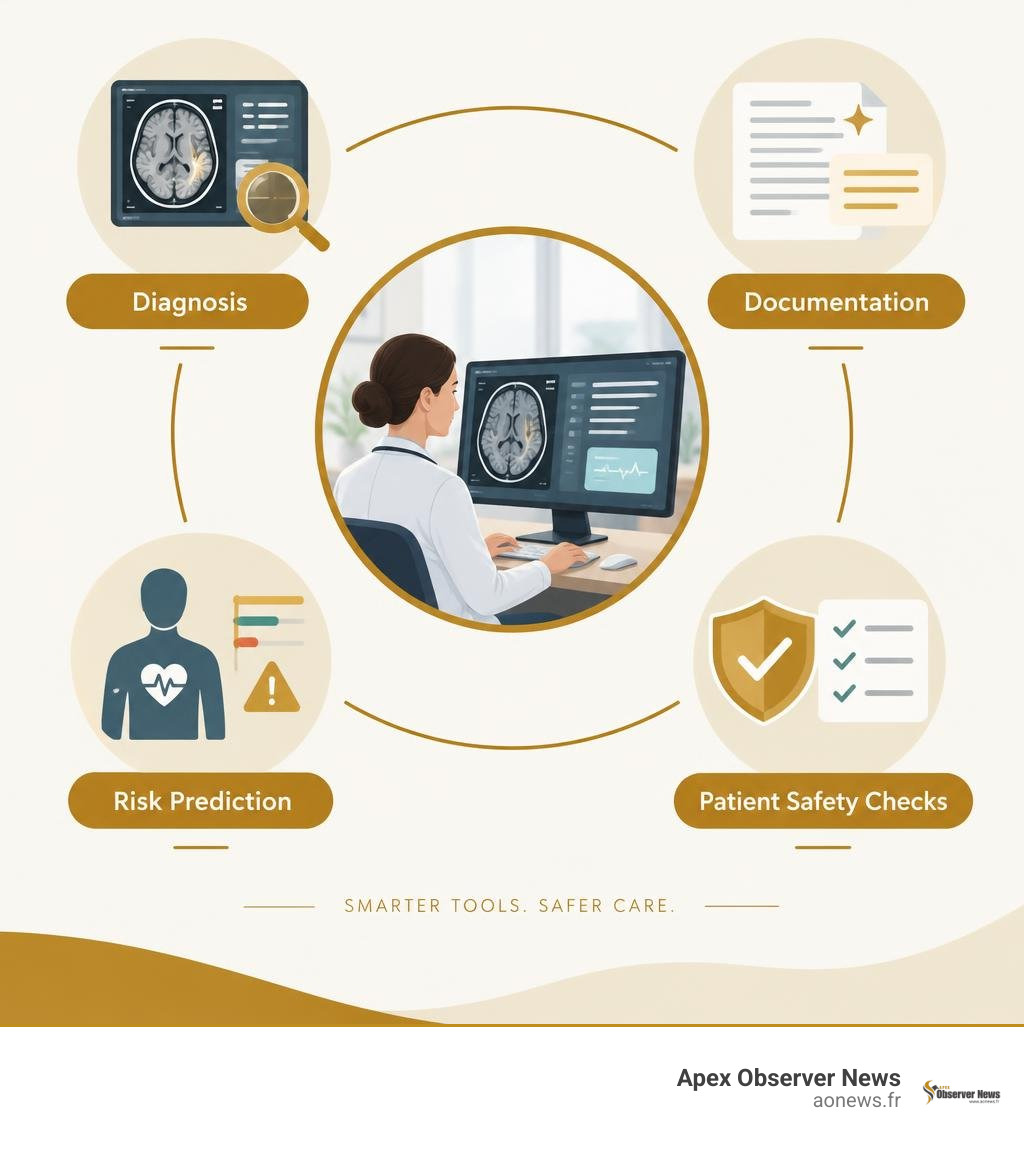
Artificial intelligence in healthcare helps clinicians spot patterns in medical images and records, predict risks, and spend less time on routine paperwork. Generative AI can also draft notes and summarize research. These tools can support faster, more informed care, but their output needs clinical review.
The key question is not whether an AI system looks smart. It is whether it is safe, accurate, and useful for a specific task. Before using one in patient care, health teams need to test it with diverse patients, protect private data, and make clear who is responsible for decisions. This guide explains where medical AI shows promise and where caution still matters.
Foundations of Artificial Intelligence in Healthcare: From Machine Learning to Generative Agents
The journey of machine intelligence in medicine has moved at breakneck speed. Only a few decades after early rule-based systems were conceptualized, the field shifted from rigid logic trees to statistical pattern recognition, and now to flexible foundation models.
Understanding the modern clinical landscape requires looking at the broader application of artificial intelligence across industries. In healthcare, this progression has reshaped how systems interpret unstructured clinical narratives, continuous physiological telemetry, and high-resolution radiologic scans. The widespread evolution of conversational systems and large language models has bridged the gap between raw data processing and natural clinical communication.
| Dimension | Traditional Machine Learning | Generative Foundation Models | Autonomous Clinical Agents |
|---|---|---|---|
| Core Paradigm | Discriminative classification & regression | Self-supervised pretraining & multimodal generation | Multi-step reasoning, goal execution & tool usage |
| Data Requirements | Large, manually labeled tabular or image datasets | Massive, web-scale unstructured biomedical corpora | Domain-specific sandboxed EHR environments & clinical feedback |
| Primary Output | Static risk scores, bounding boxes, labels | Synthetic notes, structured summaries, dialogue | Autonomous lab orders, prescriptions, coordinated workflows |
| Clinical Role | Point-solution decision alerts | Ambient documentation & research synthesis | End-to-end task automation under physician oversight |
Cognitive Architectures and the Spectrum of Machine Intelligence
To assess what medical algorithms can and cannot do, we must explore how “intelligence” itself is defined across biological and digital systems. In psychometric research, general intelligence is often divided into fluid intelligence—the capacity to solve novel problems on the fly—and crystallized knowledge, which represents accumulated facts and procedural skills. Research shows that each additional year of human schooling raises IQ by one to five points, and higher cognitive reserves correlate with longevity and resilience against neurodegenerative decline. Interestingly, perceived intelligence carries its own biases; studies show 71 percent of men claim to be smarter than average compared to 59 percent of women.
In computer science, machines do not possess biological consciousness, but their capabilities can be categorized through functional architectures. As highlighted in a comprehensive capability and function-oriented smart healthcare review, clinical machine architectures generally fall along a clear evolutionary spectrum:
- Reactive Machines: Systems that respond directly to real-time inputs without storing past experiences, such as basic telemetry alarm monitors.
- Limited Memory Systems: The operational backbone of contemporary health systems, utilizing historical patient records, laboratory trends, and imaging sets to make predictive classifications.
- Theory of Mind Systems: Emerging architectures capable of inferring human intent, emotional nuances, and contextual subtext to improve clinical communication.
- Self-Aware Systems: Speculative, theoretical models possessing cognitive self-awareness, which remain far outside modern engineering realities.
Today’s clinical tools operate as Narrow AI—designed for hyper-specific optimization power, such as identifying a pulmonary nodule or predicting sepsis onset, rather than mimicking general human cognition.
Core Technologies Driving Modern Medical AI Models
The recent leap in medical AI performance stems from significant architectural breakthroughs. Transformer models, equipped with self-attention mechanisms, allow algorithms to process extensive sequences of clinical notes and genomic sequences simultaneously. Diffusion models have revolutionized imaging by synthesizing realistic 3D scans and augmenting training data for rare pathologies without risking patient identity exposure.
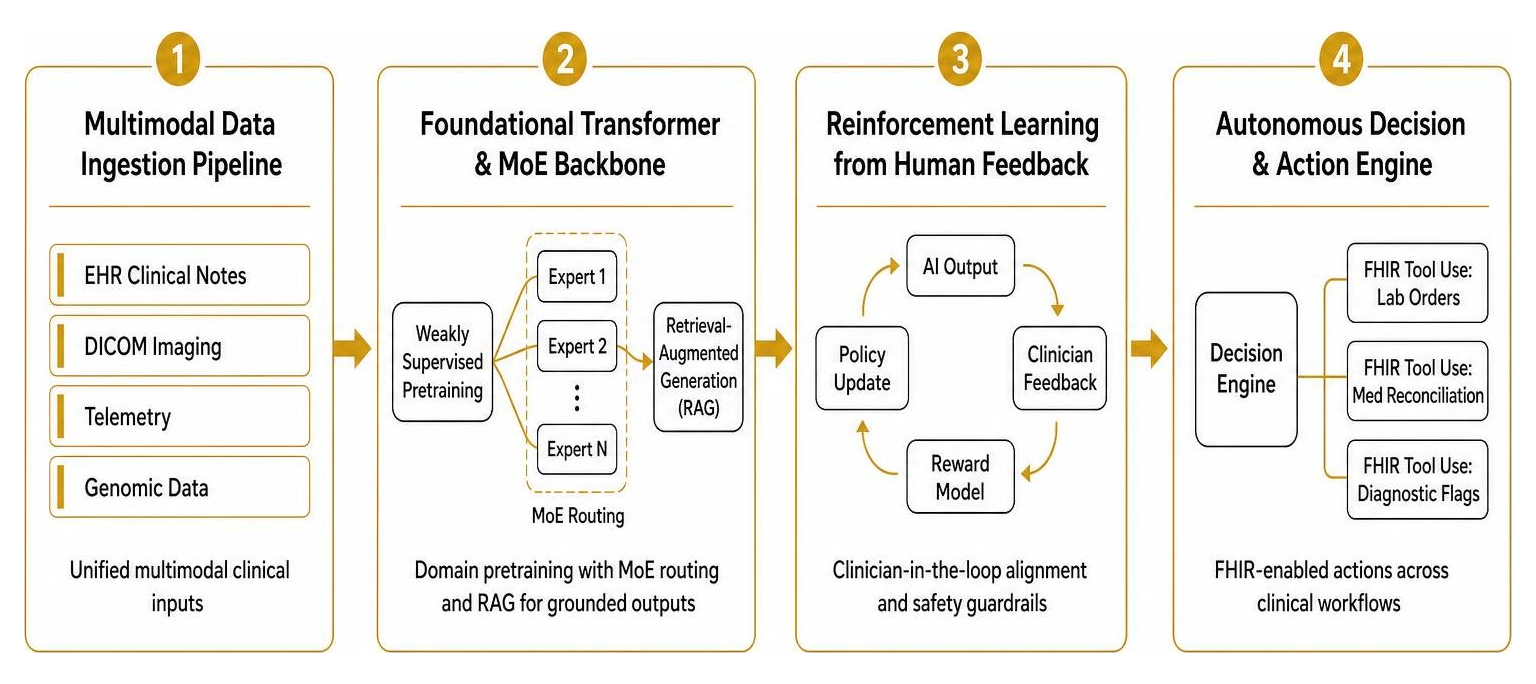
According to authoritative scientific research on generative AI in medicine, contemporary models increasingly rely on weakly supervised learning, mixture-of-experts (MoE) routing, and Reinforcement Learning from Human Feedback (RLHF). Instead of requiring exhaustively labeled datasets for every niche diagnosis, these models leverage domain-specific pretraining on biomedical corpora. Retrieval-augmented generation (RAG) frameworks further anchor outputs in verified clinical literature, improving factual diagnostic accuracy by 15% and mitigating the risk of confabulation.
Clinical Domains Transformed by Clinical AI Systems

Across hospital wards and outpatient clinics, machine learning is moving past theoretical benchmarks and integrating directly into clinical pathways. As emerging technology trends shaping modern workflows take hold, healthcare delivery is shifting from episodic, reactive treatments toward continuous, predictive interventions across major medical specialties.
Diagnostic Precision in Radiology and Medical Imaging
Medical imaging remains one of the most mature applications of clinical AI. Deep convolutional neural networks (CNNs) and vision transformers analyze pixel-level variations invisible to the naked human eye.
As detailed in research on how deep learning architectures empowering Healthcare 5.0 are organized, single-modality classifiers are rapidly evolving into multimodal engines. Key clinical successes include:
- Gastroenterology: Real-time computer vision during colonoscopies has increased adenoma detection rates by roughly 15%, significantly lowering post-colonoscopy colorectal cancer risks.
- Oncology & Pathology: Vision models achieve 89% accuracy (with 90% sensitivity and 88% specificity) in identifying neoplastic Barrett’s esophagus and classifying complex histopathological tissue margins.
- Ophthalmology: Automated retinal screening algorithms detect diabetic retinopathy and over 50 distinct ocular conditions with performance rivaling board-certified ophthalmologists.
Autonomous Agents and Surgical Navigation in Practice
In operating rooms and inpatient wards, artificial intelligence is transitioning from a passive observer to an active, real-time navigator. Computer vision systems track surgical instruments in real time to prevent accidental tissue damage, while predictive models assess perfusion dynamics to identify flap ischemia in reconstructive surgery hours before clinical signs appear.
Beyond procedural assistance, autonomous software agents are beginning to handle routine clinical operations. Landmark breakthroughs in autonomous medical artificial intelligence agents demonstrate that sandboxed agents like MIRA can navigate complex Electronic Health Record (EHR) action spaces using standard Fast Healthcare Interoperability Resources (FHIR) protocols. When evaluated across multi-disease benchmarks, these systems achieved an 88.9% diagnostic accuracy—consistently matching or exceeding physician cohorts while safely handling medication reconciliations with 99.6% precision.
Drug Discovery and Personalized Precision Medicine
The biopharmaceutical pipeline has historically been slow and expensive, often taking over a decade and billions of dollars to bring a new molecule to market. AI is transforming this timeline by modeling biological mechanisms at the molecular scale.
Using geometric deep learning and structural transformer models, algorithms predict 3D protein folding configurations in seconds rather than months of crystallography experiments. These systems identify promising binding targets, evaluate off-target toxicity, and optimize chemical candidates before wet-lab synthesis begins.
In clinical oncology, personalized algorithms ingest patient-specific genomic sequences, biomarker expressions, and lifestyle variables to forecast treatment responses with over 80% accuracy. This transition mirrors how modern organizations implement enterprise machine learning frameworks to handle complex, high-dimensional datasets for strategic operations.
Evaluating Clinical Reasoning and Autonomous Workflows
Deploying automated models in high-stakes clinical settings requires the same analytical rigor seen when deploying algorithmic decision-making in high-stakes fields. Unlike standard consumer software where an edge-case failure causes minor friction, a flawed clinical recommendation can lead directly to patient harm.
Validating Artificial Intelligence in Healthcare for Clinical Practice
Historically, medical AI literature suffered from an over-reliance on retrospective, single-center datasets, where an algorithm’s high area under the curve (AUC) failed to replicate in external hospital settings. Today, robust clinical validation demands multi-center prospective validation and continuous performance auditing against dynamic benchmarks such as the MIMIC-IV critical care repository.
To standardize clinical evaluation, the medical community relies on several reporting and validation frameworks:
- TRIPOD-LLM: Transparent Reporting of a multivariable prediction model of Individual Prognosis Or Diagnosis tailored specifically for Large Language Models.
- CHART Guidelines: Standardized frameworks for reporting Clinical Human-in-the-Loop Artificial Intelligence Trials.
- CONSORT-AI & SPIRIT-AI: Established extensions for reporting randomized clinical trials evaluating interventions involving artificial intelligence.
- Model Drift & Post-Market Surveillance: Continuous telemetry tracking to detect algorithmic degradation caused by shifts in patient demographics, local clinical protocols, or updated lab testing hardware.
Human Clinicians versus Autonomous EHR Systems
Evaluating AI against human clinicians requires assessing distinct cognitive and interpersonal capabilities. While algorithms excel at computational recall and synthesizing vast volumes of data, human practitioners provide vital bedside empathy, ethical reflection, and contextual intuition.
| Evaluation Metric | Human Clinicians | Autonomous EHR Systems |
|---|---|---|
| Diagnostic Processing Speed | Variable (limited by cognitive fatigue & shift lengths) | Near-instantaneous across thousands of simultaneous cases |
| Multimodal Synthesis | High qualitative integration; prone to human memory limits | Exhaustive analysis of decades of historical lab & imaging data |
| Guideline Adherence | Subject to clinical bias, burnout, and memory lapses | Consistently high adherence to protocol; rigid unless adapted |
| Resource Utilization | Can lean toward defensive medicine and over-testing | Optimizes test ordering based on strict algorithmic utility |
| Bedside Manner & Empathy | Irreplaceable human connection, trust, and physical presence | Simulated conversational empathy without lived human experience |
| Ethical & Moral Reasoning | Capable of navigating complex cultural and moral dilemmas | Limited to pre-programmed objective functions and guardrails |
Ethical Frameworks, Bias Mitigation, and Implementation Barriers
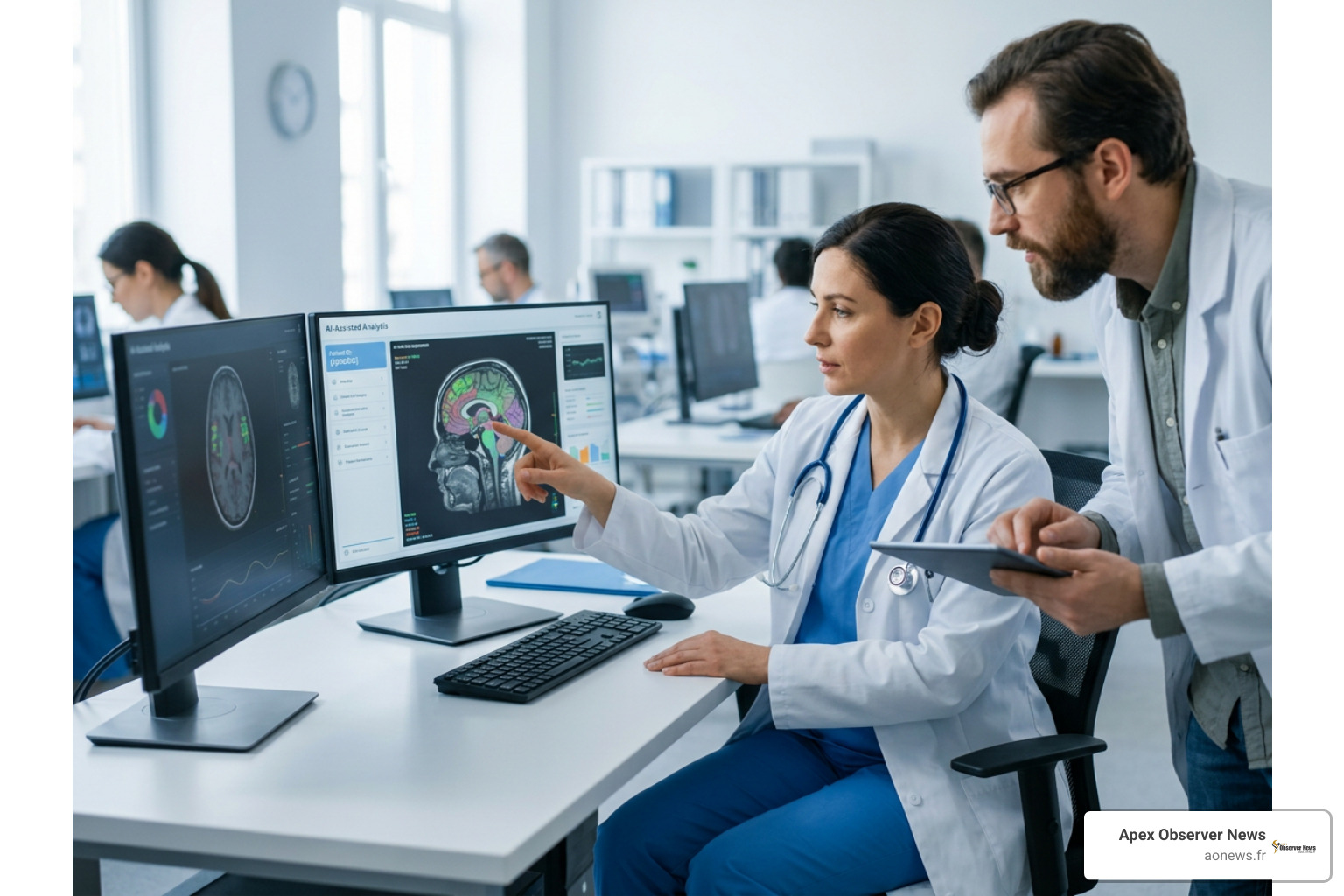
As highlighted in a multidisciplinary review on digital health applications, integrating machine learning into daily medical practice introduces significant ethical, operational, and structural challenges. Resolving these challenges requires proactive clinical governance and robust technical safeguards.
Algorithmic Equity and Data Governance in Underrepresented Regions
A primary ethical risk in clinical machine learning is algorithmic bias. When models are trained predominantly on demographic data from high-income medical centers, their predictive reliability can drop sharply when applied to historically underrepresented populations. For instance, skin cancer detection classifiers trained primarily on light skin tones show marked performance decreases when evaluating lesions on darker skin types.
Addressing these disparities requires implementing ethical governance frameworks for machine learning that prioritize health equity. Global data collection must be democratized, ensuring that low-resource clinics receive both the computational infrastructure needed to run modern tools and representation in the foundation datasets that shape global healthcare standards.
Privacy-Preserving Architectures and Explainable AI Compliance
Medical data privacy is tightly protected by legal frameworks such as HIPAA and GDPR. To train sophisticated models across hospital networks without centralizing sensitive patient records, researchers rely on privacy-preserving architectures:
- Federated Learning: Distributed training paradigms where local hospital nodes train models internally, sharing only encrypted mathematical parameter updates with a central server rather than raw patient charts.
- Blockchain Verification: Immutable audit logs that track every clinical interaction, model query, and data pipeline access point to ensure full data provenance and regulatory compliance.
- Explainable AI (XAI): Mathematical techniques such as SHapley Additive exPlanations (SHAP) and attention heatmaps that visualize precisely which clinical variables, lab values, or pixel clusters drove a diagnostic recommendation.
These explainability layers are critical for dismantling the “black-box” dilemma, ensuring that attending physicians can independently verify the clinical rationale behind algorithmic alerts before signing off on treatment plans.
System-Level Integration and the Future of Care Delivery
For artificial intelligence to achieve its full clinical potential, health systems must move beyond isolated point solutions. When an algorithm is simply bolted onto an outdated clinical workflow, it often leads to alert fatigue and physician frustration rather than better care.
Transforming Care Delivery with Artificial Intelligence in Healthcare
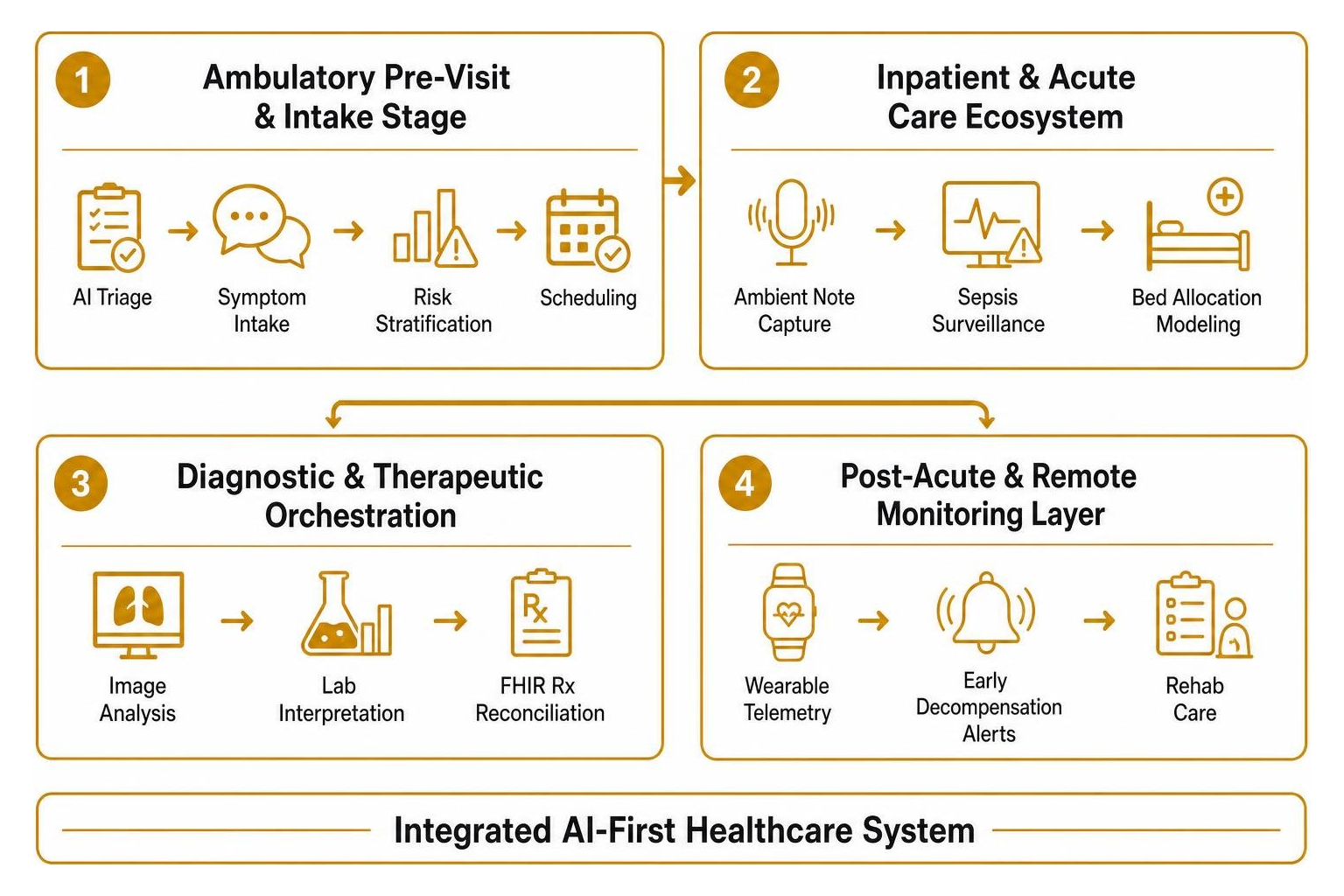
Transitioning toward an integrated healthcare ecosystem means treating machine intelligence as a core infrastructural pillar. As outlined in the comprehensive framework for an AI-first healthcare system, this structural shift orchestrates data flows across every phase of the patient care continuum.
In ambulatory environments, ambient listening systems capture natural patient-clinician conversations, generating structured clinical notes in real time and returning hours of administrative time to doctors. Within inpatient wards, continuous predictive monitoring runs in the background, analyzing real-time vital signs and lab results to alert rapid-response teams hours before septic shock or acute respiratory distress occurs.
Allied Health Applications and Digital Mental Health Support
The reach of clinical AI extends well beyond radiology suites and physician workstations. Allied health specialties are actively utilizing smart algorithms to expand patient access:
- Physical Therapy & Rehabilitation: Computer vision models evaluate musculoskeletal biomechanics via simple smartphone cameras, analyzing gait abnormalities and guiding post-operative physical therapy remotely.
- Speech-Language Pathology: Acoustic analysis models detect subtle phoneme distortions, helping clinicians screen for early neurodegenerative markers associated with Parkinson’s disease, ALS, and pediatric speech delays.
- Nutritional Sciences: Predictive algorithms synthesize glycemic responses, metabolic profiles, and gut microbiome analyses to generate personalized dietary plans for patients managing complex metabolic conditions.
- Mental Health Support: Conversational agents based on cognitive behavioral therapy (CBT) principles provide scalable, 24/7 self-management support. While these tools cannot replace licensed therapists, they serve as useful adjuncts for mood tracking, coping strategies, and crisis stratification.
Frequently Asked Questions About Medical AI
How does generative AI differ from traditional diagnostic models?
Traditional medical AI systems are predominantly discriminative; they take structured data or images and assign a label, bounding box, or static risk probability. Generative AI models, by contrast, are multimodal foundation architectures trained on vast quantities of unstructured text, imaging, and signal data. They can synthesize new content—such as drafting clinical notes, translating patient discharge summaries into multiple languages, or generating synthetic 3D imaging data for clinical training.
Can autonomous AI agents safely execute hospital clinical workflows?
Yes, provided they operate within strict clinical governance frameworks and sandboxed Electronic Health Record environments. Modern autonomous agents interact with medical databases using standardized protocols like FHIR. Rather than making unchecked decisions, they generate structured action proposals—such as drafting medication orders or queuing laboratory panels—that require final human clinician sign-off before execution, ensuring patient safety is never compromised.
What standards govern the clinical validation of medical AI tools?
Clinical AI validation is governed by rigorous, peer-reviewed reporting standards designed to ensure transparency, reproducibility, and safety. Chief among these are TRIPOD-LLM (for predictive models using language architectures), the CHART reporting guidelines (for human-in-the-loop clinical trials), and the CONSORT-AI and SPIRIT-AI frameworks. Furthermore, regulatory bodies like the FDA enforce strict Software-as-a-Medical-Device (SaMD) clearances requiring prospective, multi-site clinical trials and continuous post-deployment monitoring.
Conclusion
Artificial intelligence in healthcare has moved from a speculative concept to a practical tool across modern medicine. When built on strong clinical evidence and clear safety guardrails, these technologies help clinicians reduce documentation burdens, spot subtle diagnostic patterns earlier, and personalize therapies for complex diseases.
At Apex Observer News, we remain committed to tracking the intersection of medicine and technology with rigorous editorial standards. As autonomous clinical tools and foundation models continue to evolve, preserving patient trust requires transparent validation, bias mitigation, and human-led clinical governance. For more information on how we verify technical and biomedical developments, review our fact-checking and verification standards.