

How to Compare TCL TVs Before You Buy
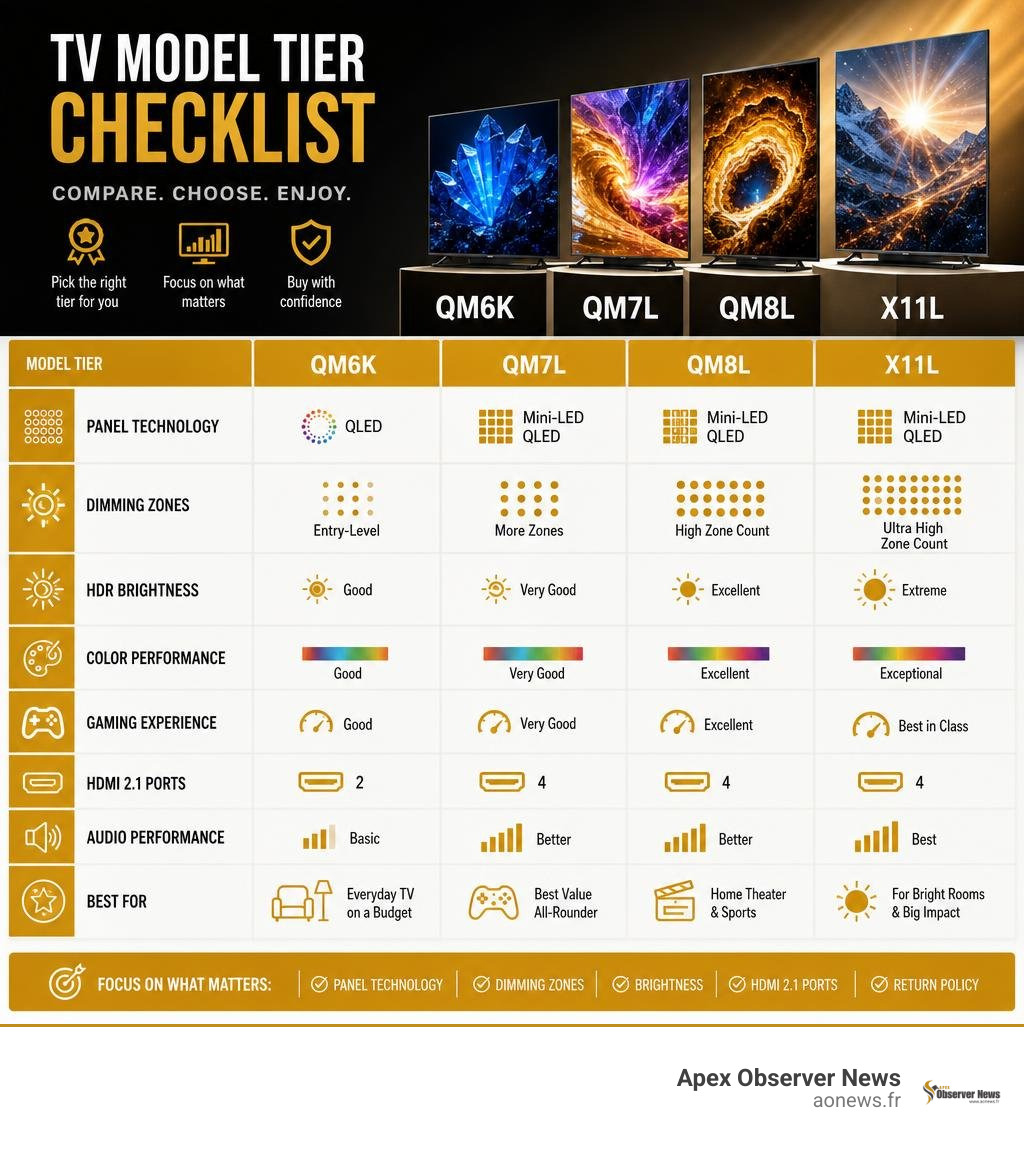
TCL TVs are usually a strong value choice when you want a large, bright Mini-LED screen and modern gaming features without paying Samsung, LG, or Sony flagship prices. Start by comparing the model tier, panel technology, dimming zones, HDR brightness, HDMI 2.1 ports, and the retailer’s return policy – not just screen size or sale price.
For most buyers, the QM7L is the sweet spot. It combines high HDR brightness, accurate color, and low gaming lag at a mid-range price. Move to the QM8L if you want stronger contrast and premium features, or consider the X11L only if extreme brightness is more important than value. TCL TV reviews also show a key trade-off: expert tests often praise picture performance, while owner feedback raises more concerns about software glitches, Wi-Fi issues, and after-sales support.
TCL holds about 14% of the global TV market, so it is far from a niche brand. Still, its lineup spans basic 4K sets through very bright Super Quantum Dot Mini-LED flagships, and the right choice depends on your room, content, and tolerance for Google TV’s ad-heavy home screen.
I am Faisal S. Chughtai, founder of ActiveX, with experience in digital research, technology content, and SEO-focused consumer guidance. In this TCL TV reviews checklist, I will help you separate useful performance data from marketing claims so you can buy with more confidence.
Tcl tv reviews basics:
Core Checklist: Evaluating TCL Display Technologies and Model Tiers
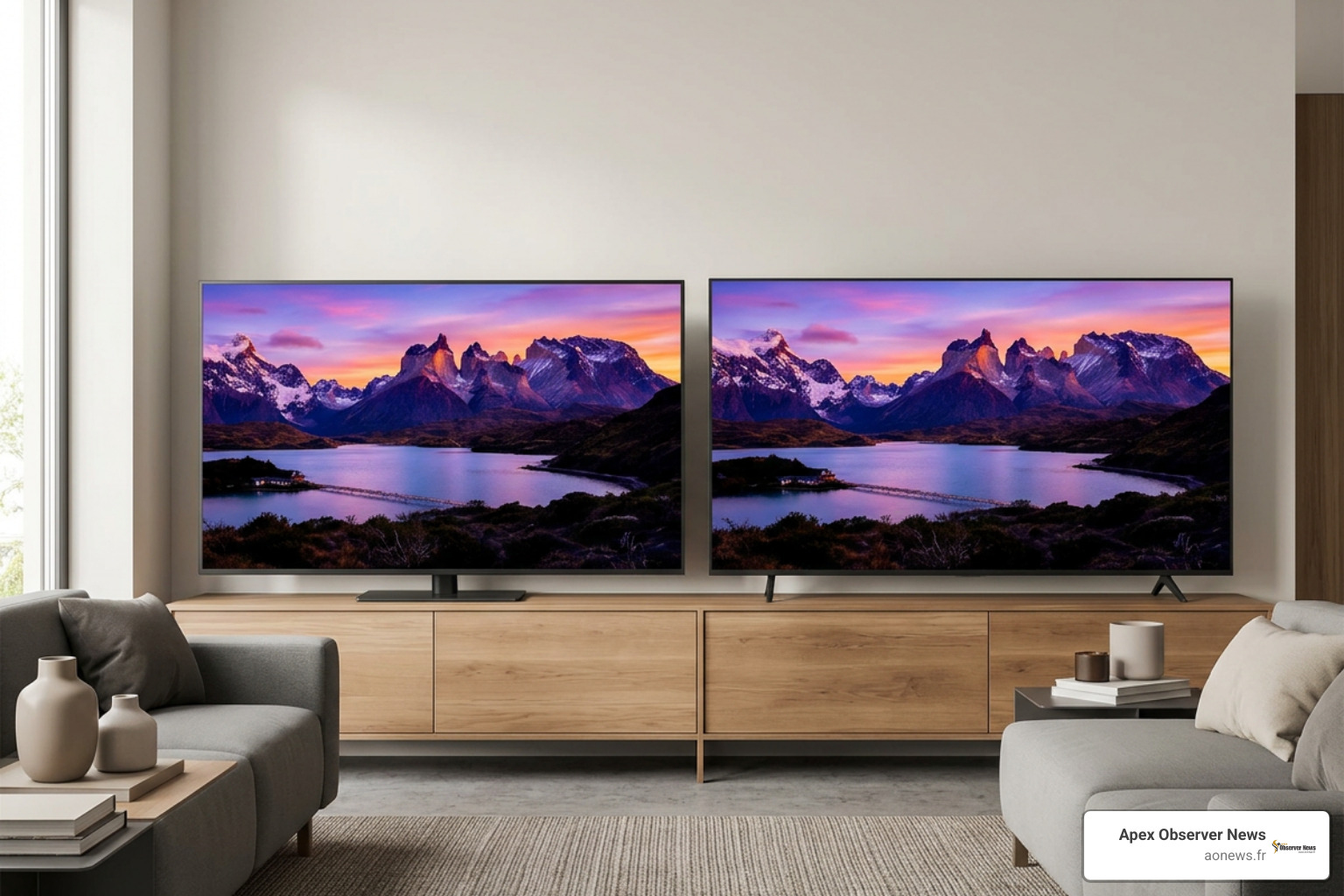
When we evaluate television hardware across the market, TCL stands out because of its aggressive deployment of advanced panel technologies at accessible price points. Rather than relying solely on traditional edge-lit or direct-lit LED arrays, the company has leaned heavily into Mini-LED backlighting paired with Quantum Dot enhancement films. In their top tiers, this culminates in Super Quantum Dot (SQD) panels that rival the color saturation of premium OLEDs.
To cut through the marketing noise, we look closely at full-array local dimming (FALD) zone counts and peak luminance capability. High zone counts prevent blooming—the distracting halo effect that appears when bright subtitles or stars sit on an inky black background. Just as we look at processing power and component integration in our Best Laptop Brands Ultimate Guide, assessing a TV requires balancing raw hardware specs with smart software tuning.
Here is how the primary TCL model tiers compare in real-world specifications:
| Model Tier | Backlight / Panel Tech | Local Dimming Zones | Native Refresh Rate | Primary Market Focus |
|---|---|---|---|---|
| QM6K | QD Mini-LED | Moderate (~500+) | 120Hz / 144Hz VRR | Budget-conscious buyers seeking entry Mini-LED |
| QM7L | High-Zone QD Mini-LED | Advanced (1,500–2,100+) | 144Hz Native | The price-to-performance sweet spot |
| QM8L | Premium SQD Mini-LED | Flagship (3,800–5,000+) | 144Hz Native | High-end living rooms with mixed lighting |
| X11L | SQD Ultra Mini-LED | Extreme (11,520–20,736) | 144Hz Native (288Hz DLG) | Halo flagship for peak brightness enthusiasts |
Entry-Level vs Mid-Range: S-Series to QM6K and QM7L
At the entry-level, TCL offers the standard S-Series and the step-up QM6K series. The 65-inch QM6K launched at an accessible $799, providing entry-level access to Mini-LED benefits without entering four-figure territory. However, the mid-range TCL QM7L is where the brand delivers its most compelling value.
In verified lab tests by display specialists, a 75-inch QM7L measured an impressive 2,270 nits of peak HDR brightness along with 97.64% UHDA-P3 color gamut coverage. Priced frequently around $1,500 on sale, it undercuts rival flagships like the Sony Bravia 7 II ($3,099 for 75-inch) by more than half while maintaining an ultra-responsive 9.4 ms input lag for console gaming.
Premium Flagships: QM8L and the Ultra-Bright X11L SQD Series
Moving up to the enthusiast tier, the QM8L and X11L take backlighting technology to extremes. The 65-inch QM8L sits at $1,499, competing against the Sony Bravia 9 II ($3,599) and Samsung R95H ($3,199). For those wanting the absolute maximum luminance available, the TCL X11L pushes boundaries with up to 20,736 dimming zones on its largest 98-inch panel and 11,520 zones on the 75-inch model.
Independent lab benchmarks demonstrate that the X11L can achieve a measured 4,860 nits in Vivid mode and over 8,700 nits in small HDR windows. It also covers 89.7% of the demanding BT.2020 color gamut. While technical testing highlights the TCL X11L as one of the brightest consumer panels ever engineered, buyers should consider whether spending upwards of $3,999 to $7,000 provides meaningful real-world gains over the much more economical QM8L.
Performance Benchmarks from Expert TCL TV Reviews
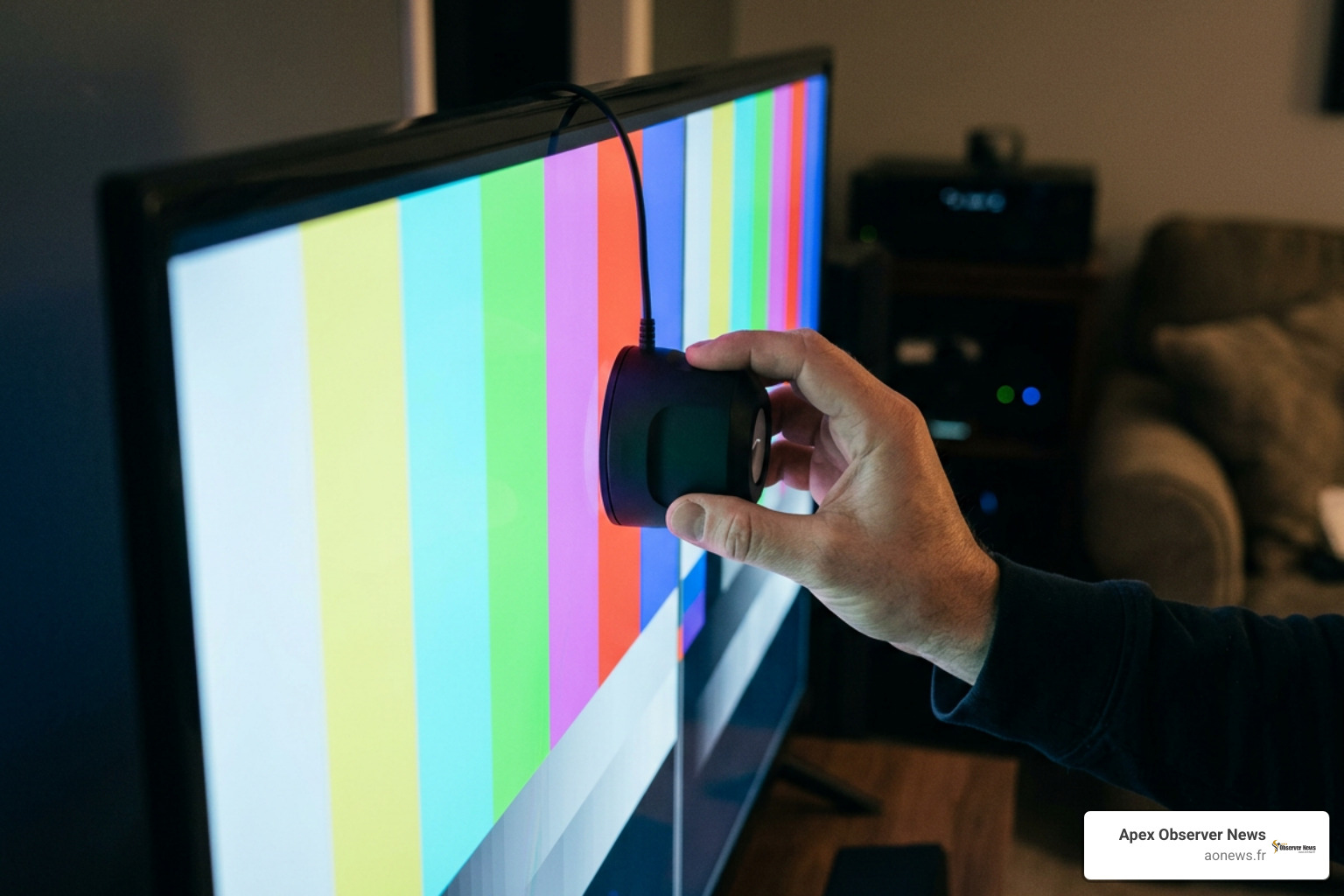
Professional benchmarks reveal that modern TCL displays are no longer just “budget compromises.” Color accuracy straight out of the box has improved substantially. In Filmmaker Mode, the TCL QM7L achieved a Delta-E of 2.64 for SDR color accuracy (scores below 3.0 are considered imperceptible to the human eye).
When analyzing global consumer shifts and Best Selling Products on Amazon in Pakistan, demand for high-spec home entertainment hardware continues to climb. TCL caters to this by including comprehensive HDR format support—HDR10, HDR10+, HLG, and Dolby Vision (with future-ready Dolby Vision 2 Max protocols planned for top models). For audio, higher-tier models incorporate 2.2 to 3.1.2-channel speaker configurations tuned in collaboration with Bang & Olufsen, delivering crisp dialogue and balanced mids, though bass punch remains modest compared to a dedicated soundbar.
How TCL TV Reviews Rate Gaming and HDR Capabilities
Gamers represent one of TCL’s happiest customer segments. The QM7L, QM8L, and X11L feature full-bandwidth HDMI 2.1 inputs that support 4K gaming at 144Hz, Auto Low Latency Mode (ALLM), and AMD FreeSync Premium Pro.
Key gaming metrics include:
- Low Latency: Measured input lag sits at a blistering 9.4 ms on the QM7L and 11.8 ms to 14.5 ms on the X11L.
- Game Accelerator: Proprietary software modes allow refresh rates up to 240Hz or 288Hz at 1080p for ultra-fast PC gaming.
- Game Bar Overlay: Allows real-time tracking of frame rates, VRR status, and shadow enhancement adjustments without diving into deep system menus.
Smart Platform Usability: Google TV and Voice Integration
TCL has standardized its modern smart platform around Google TV, supplemented by conversational Gemini AI integration. This operating system provides access to virtually every major streaming service and aggregates watchlists seamlessly.
However, the user experience comes with definite trade-offs:
- Strengths: Fluid search via Gemini voice control, personalized content recommendations across apps, and hands-free microphone integration on the backlit remote.
- Weaknesses: The home screen features prominent sponsored rows and advertisements. Lower-tier processor models can occasionally experience menu stutters when multitasking between heavy apps.
Long-Term Reliability, Build Quality, and Customer Support
Build quality across the QM and X series has matured into a sturdy, utilitarian aesthetic featuring slim bezels and solid metal chassis. However, purchasing hardware from top digital platforms—as noted in our guide to the Best Ecommerce Websites in USA—means evaluating after-sales reliability alongside initial build quality.
Analyzing Real-World User Sentiment and TCL TV Reviews
There is a noticeable divergence between professional laboratory testing and long-term customer reviews. While technical editors praise panel benchmarks, aggregated consumer sentiment tells a more cautious story. On platforms like TCL’s Trustpilot review page, the brand holds an aggregate rating of 1.4 out of 5 stars based on 1,736 reviews.
The most frequent real-world owner complaints center around:
- Backlight & Motherboard Failures: Occasional “black screen of death” reports where audio plays but the panel backlight loses power within 18 to 24 months.
- Wi-Fi Connectivity Glitches: Inconsistent wireless handshake requiring router reboots or network resets.
- Warranty Support Delays: Slower turnaround times and dispute resolution on panel replacements compared to domestic competitors.
Key Buying Factors Before Making a Decision
Before adding a TCL TV to your cart, run through this practical checklist:
- Calculate Viewing Distance: Ensure a 65-inch screen sits roughly 6.5 to 8 feet away, while a 75-inch or 85-inch model works best at 8.5 to 11 feet for comfortable 4K immersion.
- Assess Room Glare: If your room features direct, unshaded sunlight, prioritize the QM7L or QM8L for their 2,000+ nits luminance to defeat reflections.
- Verify Return Windows: Purchase through retailers that offer extended 30-to-90-day return windows so you can thoroughly test the panel for pixel defects and banding.
- Consider an Extended Warranty: Given the budget pricing upfront, pairing a TCL TV with an affordable 3-to-5-year protection plan mitigates long-term panel failure risks.
Frequently Asked Questions About TCL Televisions
Are TCL TVs durable and built to last?
Most TCL TVs operate reliably for 5 to 7 years under typical daily use. However, quality control can vary across production batches. While many owners report trouble-free longevity, failure rates within the first two years are reported more frequently than with premium-priced Japanese competitors. Investing in an extended retail warranty provides peace of mind.
Which TCL model offers the best value for money in 2026?
The TCL QM7L represents the clear value champion. It delivers over 2,200 nits of peak HDR brightness, accurate Filmmaker Mode calibration, full HDMI 2.1 gaming support, and a sub-10 ms input lag, frequently retailing for under $1,500 in large screen sizes.
How do TCL TVs perform for competitive next-gen gaming?
TCL’s QM-series TVs perform exceptionally well for gaming. With native 120Hz/144Hz panels, HDMI 2.1 connectivity, AMD FreeSync Premium Pro, and input latency under 10 ms, they fully support the capabilities of the PlayStation 5, Xbox Series X, and modern gaming PCs.
Conclusion
TCL has redefined the home cinema equation by making premium display features—such as Mini-LED backlights, extreme HDR brightness, and high-refresh gaming—accessible at half the cost of legacy brands. If your goal is maximum screen real estate and dazzling picture performance per dollar spent, the QM7L and QM8L are extraordinarily tough to beat.
To protect your investment, pair your purchase with an extended retailer warranty and verify your unit for panel uniformity upon delivery. For more consumer hardware analyses, explore our in-depth technology and electronics reviews at Apex Observer News.
