

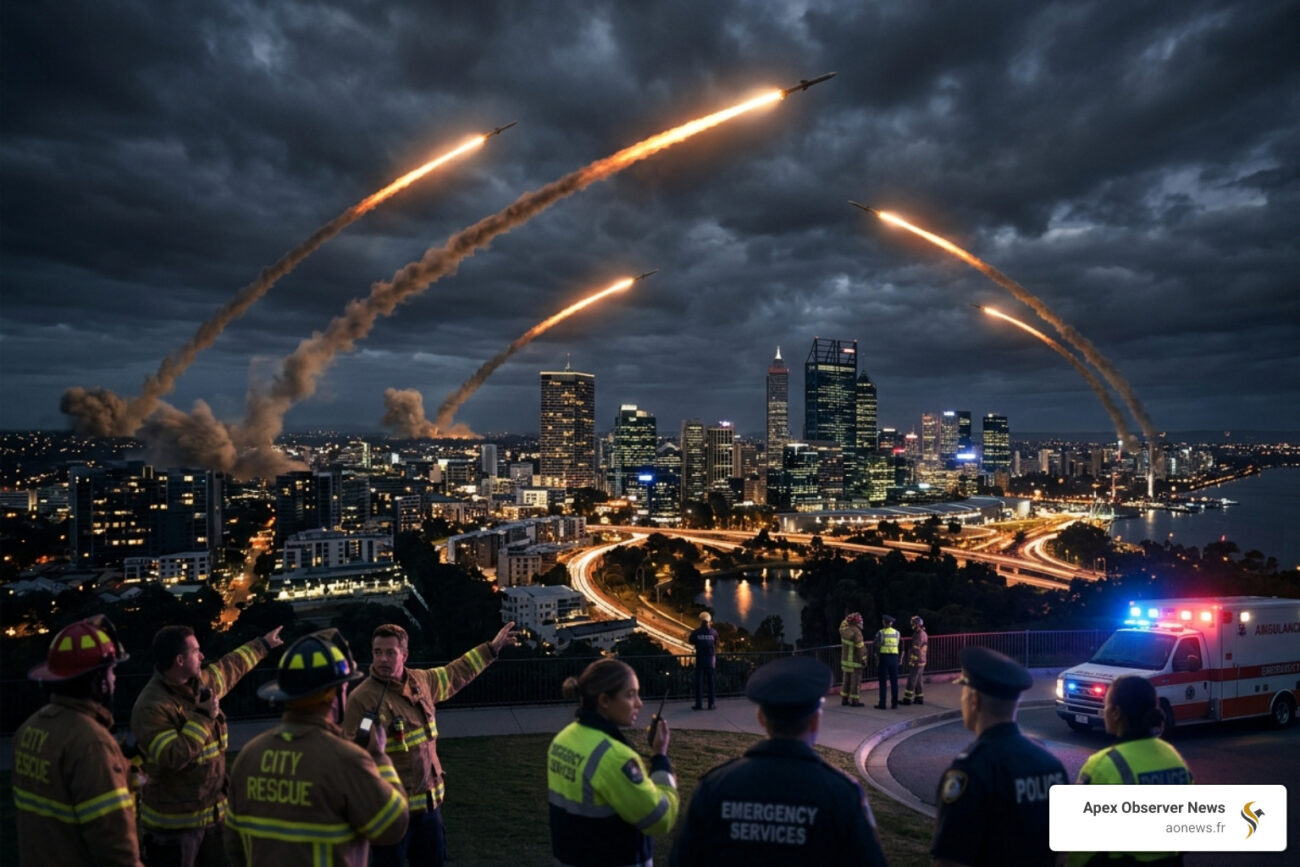
Why World War 3 Is Being Talked About More Than Ever
World War 3 is no longer just a Cold War nightmare — it’s a term dominating headlines, polls, and dinner table conversations in 2025 and 2026.
Quick answer: Where do things stand right now?
| Key Question | Quick Answer |
|---|---|
| How likely is WW3? | 46% of Americans and 53% of Britons say likely within 5-10 years |
| Biggest flashpoints | Russia-Ukraine, US-Iran war, China-Taiwan, Korean Peninsula |
| Nuclear risk? | 1 in 3 people in the US, UK, France, and Canada say nuclear weapon use is likely within 5 years |
| Biggest perceived threats | Russia (Europe), Trump’s America (Canada), US (France, Germany, UK) |
| Could it happen without warning? | Yes — historical close calls like Able Archer 83 show how fast things can spiral |
Fear of a global conflict has risen sharply since early 2025. Multiple active wars, nuclear sabre-rattling, and fracturing alliances have pushed public anxiety to levels not seen since the Cold War. As former NATO Deputy Supreme Allied Commander Richard Shirreff warned, the US-Israel conflict with Iran could become “the final catalyst for a third world war.”
Experts are divided. Some analysts argue current wars — Ukraine, Gaza, Iran — are regional conflicts being hyped into something bigger. Others see the hardening of global coalitions and new battlefield technologies as unmistakable signs we are in the foothills of a much larger war.
This article breaks down the key terms, conflicts, and data you need to understand the real picture.
I’m Faisal S. Chughtai, founder of ActiveX and a digital strategist who tracks global geopolitical developments and their impact on public information — including how world war 3 narratives spread and shape public perception online. I’ll walk you through the facts so you can cut through the noise.
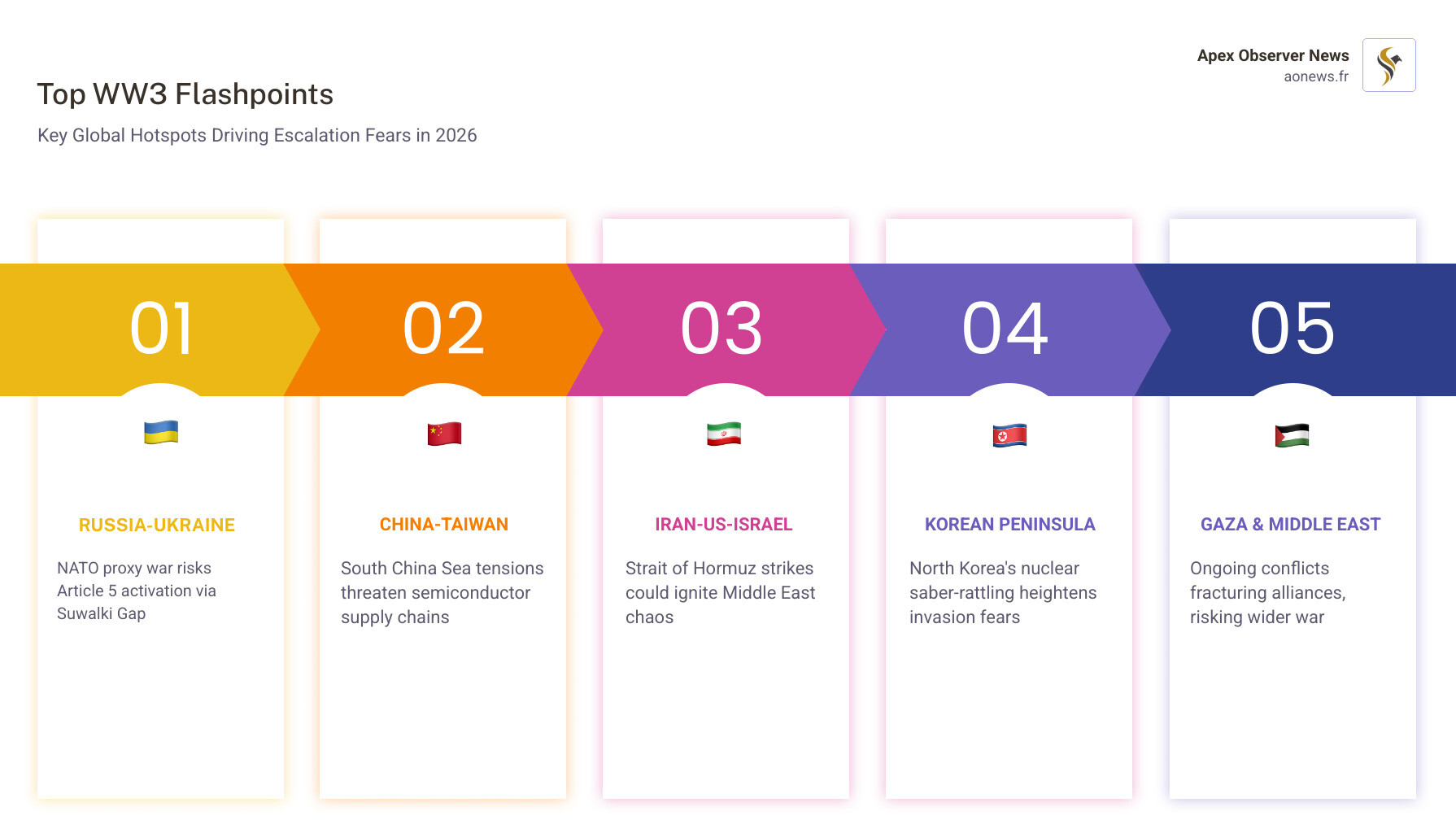
Current Flashpoints Fueling World War 3 Fears
When we look at the globe today, the “peace” we once took for granted feels increasingly fragile. To understand why world war 3 is trending, we have to look at the specific regions where the sparks are flying. Many analysts believe we are currently in a period similar to the late 1930s—where small, undeclared border conflicts eventually merged into a total global war.
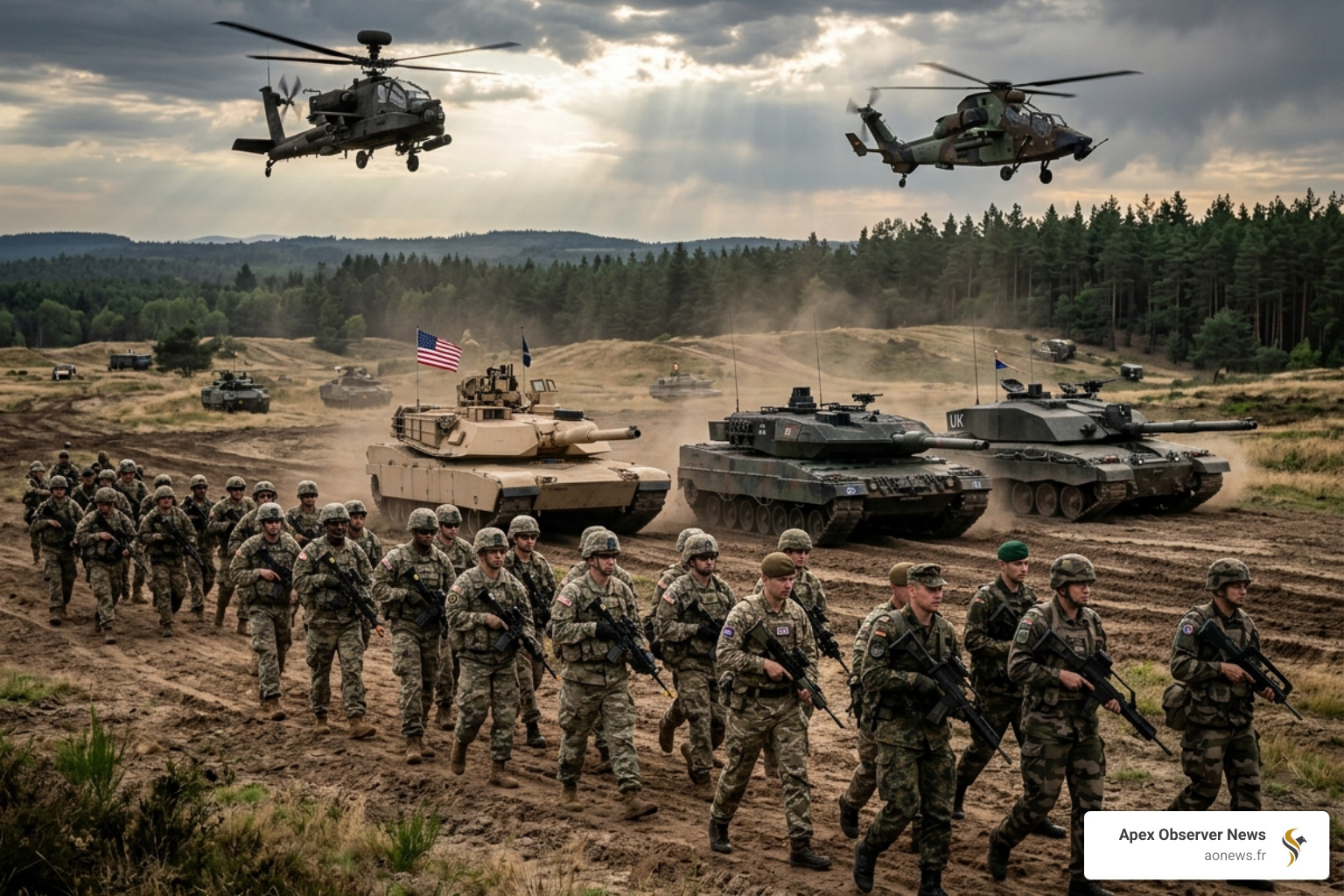
The Russo-Ukrainian War and NATO
The invasion of Ukraine by Russia in 2022 was the first major domino. It wasn’t just a regional spat; it became a massive proxy war. While NATO troops are not officially on the ground, the alliance provides the intelligence and weaponry that keep Ukraine in the fight.
The biggest fear here is a direct clash between Russia and NATO. If a Russian missile were to hit a NATO member like Poland—even by accident—it could trigger Article 5, the “all for one” defense clause. We’ve already seen close calls, such as when Poland downed Russian drones in late 2025, leading to urgent high-level meetings.
A specific geographic concern is the Suwalki Gap, a 60-mile strip of land along the Polish-Lithuanian border. If Russia were to seize this, it would cut off the Baltic states from their NATO allies. Military preparedness is at its highest since the Cold War, with NATO countries ramping up exercises to deter a broader invasion.
Escalation Risks in the Middle East and Asia
The Middle East has recently seen an even more direct path to escalation. In early 2026, the US and Israel launched “Operation Epic Fury,” a series of massive strikes on Iran aimed at dismantling its leadership. This led to immediate retaliation, with Iranian missiles flying in all directions toward US bases in Kuwait, Saudi Arabia, and Qatar.
This conflict isn’t just about missiles; it’s about the Strait of Hormuz, a narrow waterway where 20% of the world’s oil passes. If Iran closes this strait, the global economy could face a heart attack.
Meanwhile, in Asia, the South China Sea remains a tinderbox. China’s stated intent to reunify with Taiwan is perhaps the most likely trigger for a US-China showdown. Unlike the land war in Ukraine, a conflict over Taiwan would be a high-tech naval and air war. It would also threaten the global semiconductor supply, as Taiwan produces the vast majority of the world’s advanced computer chips. Without them, everything from your smartphone to advanced fighter jets stops working.
Public Perception and the Likelihood of World War 3
How do everyday people feel about all this? The data suggests we are more worried than we have been in decades. Recent polling shows a “dramatic move to a more insecure world,” where war is no longer seen as a distant possibility but a likely event.
According to the POLITICO Poll, 46% of Americans now believe a new world war is likely by 2031. In the UK, that number sits at 43%, a massive jump from just 30% in early 2025.
Interestingly, the “biggest threat to peace” depends on where you live:
- Europeans overwhelmingly see Russia as the primary threat.
- Canadians actually view the US under the current administration as a significant threat to global stability.
- Britons are deeply skeptical of their own readiness; only 36% are confident in their armed forces’ ability to defend the country, according to YouGov survey data.
Shifting Attitudes on Defense and Debt
While people are scared, they aren’t necessarily ready to pay for it. When asked if they support higher defense spending, most say yes—until they hear the “trade-offs.” In France and Germany, support for military spending dropped by nearly half when respondents were told it would mean higher taxes or cuts to social services.
There is also a renewed debate about an EU Army and mandatory military service. With the US becoming more isolationist, European leaders are pushing for a unified force, though public skepticism remains high.
Historical Parallels and Nuclear Deterrence
To understand the risk of world war 3, we have to look at how we avoided it in the past. The Cold War was full of “black swan” events where the world was minutes away from total destruction.
Historical Close Calls
- Cuban Missile Crisis (1962): The most famous near-miss. A Soviet submarine nearly launched a nuclear torpedo, but officer Vasily Arkhipov refused to give the required third authorization.
- Able Archer 83: A NATO military exercise was so realistic that Soviet leaders thought it was a cover for a real first strike. They fueled their nuclear bombers and were ready to launch before the exercise ended.
- The Norwegian Rocket Incident (1995): Even after the Cold War, a weather rocket launch was mistaken by Russian radar for a US nuclear missile. President Boris Yeltsin actually activated his “nuclear briefcase” before realizing it was a false alarm.
These incidents show that world war 3 often starts not with a grand plan, but with a miscalculation. One radar glitch or one nervous commander can change history.
Modern Nuclear Threats and Hypersonic Weapons
Today, the rules of nuclear deterrence are changing. For decades, we relied on Mutually Assured Destruction (MAD)—the idea that if you kill me, I’ll kill you, so nobody starts a fight.
However, leaders like Putin have increasingly used nuclear threats as “intimidation” to keep the West out of regional conflicts. There is also the rise of tactical nukes—smaller weapons that some might be tempted to use on a battlefield, thinking it won’t lead to a full-scale exchange.
The newest danger is hypersonic missiles. These fly so fast and maneuver so wildly that current missile defense systems can’t reliably stop them. This “speed of war” reduces the time leaders have to decide if an incoming blip on the radar is a real attack or a glitch, making an accidental war more likely.
The Global Cost of a Third World War
If a third world war were to break out today, it wouldn’t just be fought on battlefields. It would be a “total war” affecting every aspect of your life.
Economic and Humanitarian Collapse
The most immediate effect would be the collapse of global trade. We saw how a single boat stuck in the Suez Canal messed up global shipping; imagine a war in the South China Sea or the Persian Gulf.
- Oil and Energy: A war with Iran could see oil prices jump wildly, leading to massive gas price spikes and energy rationing.
- Global Famine: A full-scale war between major powers could trigger a “nuclear winter.” Research published in Nature Food suggests that even a limited nuclear exchange could cause soot to block the sun, leading to crop failures that could kill over 5 billion people from starvation.
Cyber Warfare and Infrastructure
The “first shots” of world war 3 would likely be silent. Cyber warfare would target power grids, water systems, and banking networks. We’ve already seen “previews” of this, with Russian cyberattacks targeting Ukrainian infrastructure. In a global war, your internet could go dark, your bank account could become inaccessible, and your local hospital’s equipment could be remotely disabled.
Frequently Asked Questions about World War 3
Is World War 3 likely to happen in 2026?
While no one can predict the future, 2026 is seen as a high-risk year due to the ongoing war in Iran and the potential for China to move on Taiwan. However, many analysts believe that as long as “off-ramps” exist for leaders to save face, a total world war can still be avoided.
Which countries are considered the biggest threats to peace?
According to global polls, Russia remains the top threat for Europeans. China is the primary concern for the US and its Pacific allies. Interestingly, many Western citizens also cite the unpredictability of US foreign policy as a major risk factor for global stability.
How would a modern World War 3 differ from previous conflicts?
It would be faster and more “invisible.” While WW2 was about tanks and planes, WW3 would be dominated by AI and drones. We are already seeing the US military use AI to identify targets and simulate battles in real-time. It would also be a “hybrid war,” blending traditional combat with cyberattacks and economic sabotage.
Conclusion
The term world war 3 is scary, and the data shows that public anxiety is at a record high. From the trenches of Ukraine to the oil hubs of Iran, the world is indeed “inching closer” to a major conflagration. However, history shows that even in the darkest moments—like the Cuban Missile Crisis—diplomacy and cool heads can prevail.
Preventing a global war requires leaders to take “off-ramps” and focus on de-escalation rather than “mowing the grass” with endless strikes. At Apex Observer News, we believe that staying informed is the first step toward a more stable world. By demystifying these terms and understanding the real risks, we can move past the hype and focus on the diplomatic efforts needed to keep the peace.
For the latest updates on global security and breaking news, visit our world news services to stay ahead of the headlines.
Related Reading from Aonews.fr:
