


Why the 10 Emerging Technologies of 2026 Matter
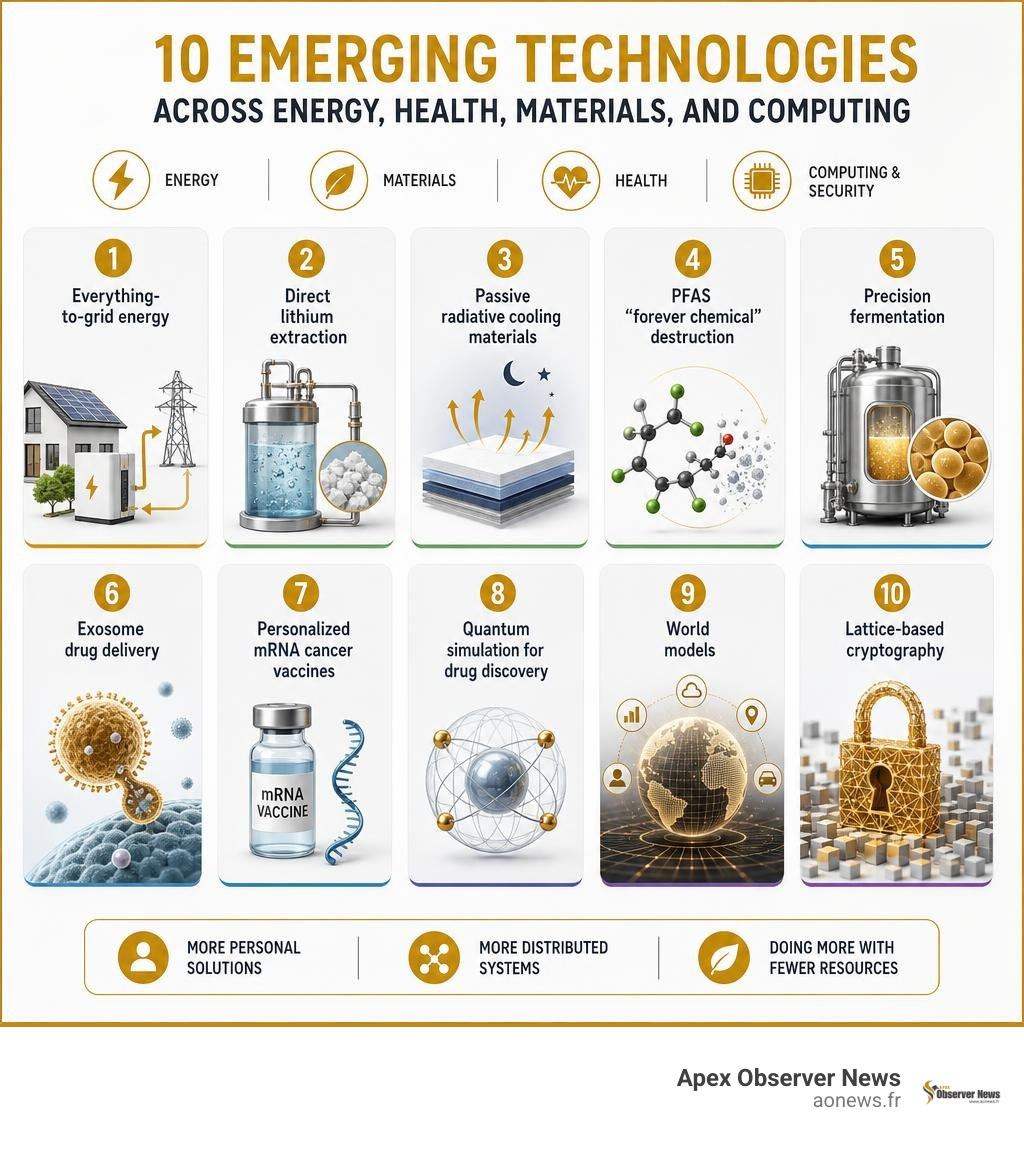
The 10 emerging technologies of 2026 are moving beyond apps and chatbots to change the physical systems people rely on every day: power grids, buildings, factories, food, medicine, and cybersecurity.
- Everything-to-grid energy
- Direct lithium extraction
- Passive radiative cooling materials
- PFAS “forever chemical” destruction
- Precision fermentation
- Exosome drug delivery
- Personalized mRNA cancer vaccines
- Quantum simulation for drug discovery
- World models
- Lattice-based cryptography
These breakthroughs share three big themes: more personal solutions, more distributed systems, and doing more with fewer resources. That matters because the best new technology is not just impressive in a lab. It needs to make energy cleaner, supply chains safer, healthcare more precise, and digital life more secure.
The World Economic Forum’s 2026 list signals a clear shift toward real-world deployment. For example, connected homes in California sent 51 megawatts of stored solar power back to the grid during a 2024 evening demand peak. The technologies ahead are at different stages, but many are already being tested or used outside research settings.
I am Faisal S. Chughtai, founder of ActiveX, with experience in web development, digital marketing, SEO, and helping organizations make sense of fast-moving digital change. In this guide to 10 emerging technologies, I will break down what each one does, why it matters, and where it may show up first.
Easy 10 emerging technologies glossary:
- emerging of technology
- new tech technologies
- new artificial intelligence technology
Defining the Top 10 Emerging Technologies in 2026
When we look at how innovation is unfolding in 2026, it becomes immediately clear that the tech landscape has pivoted. We are no longer just talking about digital conveniences or clever screen-based assistants; we are watching technology reshape the physical world. Three core macro trends define this year’s landscape: hyper-personalization, radical decentralization, and doing significantly more with fewer resources.
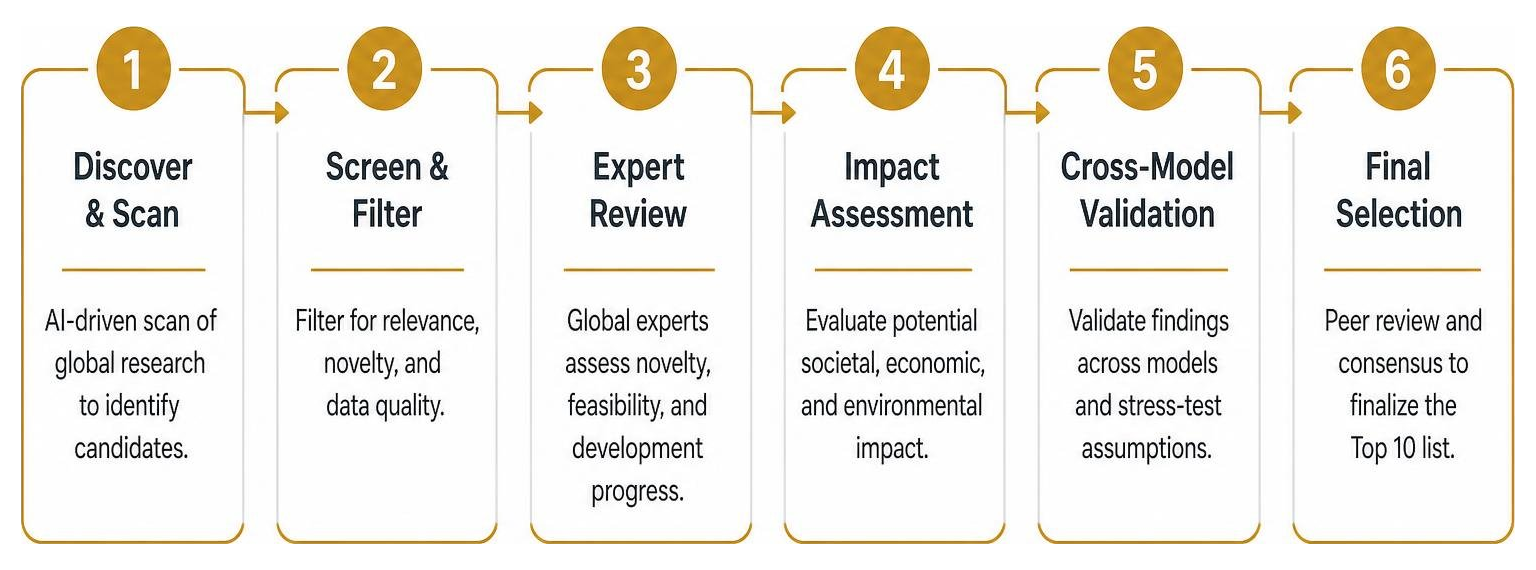
To separate genuine breakthroughs from mere market hype, the World Economic Forum (WEF) uses a multi-tiered evaluation process. Now in its 14th edition, the annual report relies on global expert panels composed of leading scientists, academics, and industry innovators. Candidate technologies undergo rigorous novelty assessments, development progress checks, and evaluations of their potential to make a broad societal impact over a three-to-five-year horizon.
For the 2026 selection, an AI-driven discovery workflow screened over 1,200 candidate technologies across global research publications. Through cross-model validation and peer review, experts narrowed the field down to the final list published in the official Top 10 Emerging Technologies of 2026 Report.
What makes 2026 stand out is that eight out of the ten featured technologies directly manipulate physical infrastructure—ranging from battery supply chains and municipal water systems to living tissues and electricity distribution networks. To dive deeper into foundational tech trends, explore our guide on Emerging Technologies Everything You Need to Know.
Historical Context: How 10 Emerging Technologies Evolved From 2024 to 2026
To appreciate where we are today, it helps to look back at how technological priorities have shifted over the last couple of years:
- 2024 Focus: Tech discourse was dominated by pure generative software, large language models (LLMs), and early enterprise automation workflows.
- 2025 Milestones: Attention broadened to digital trust and early biological interventions. Key highlights included generative watermarking to combat synthetic media disinformation and GLP-1 receptor agonists showing promise for metabolic approaches to brain health and neurodegenerative diseases.
- 2026 Reality: As detailed in recent research, including the release where WEF and Frontiers Reveal Top 10 Emerging Technologies, the race has moved into factories, hospitals, power grids, and farms.
AI is no longer trapped inside screen interfaces—it has become the operational backbone for real-world hardware, advanced energy management, and physical systems.
Breakthroughs in Clean Energy, Materials, and Resource Sustainability

Energy security and climate resilience demand smarter, more efficient physical materials. The 2026 lineup introduces practical clean tech breakthroughs designed to optimize resource usage and eliminate harmful contaminants.
1. Everything-to-Grid Energy (V2G & B2G)
Everything-to-grid technology transforms passive electrical consumers—such as parked electric vehicles (EVs), home battery walls, and industrial facilities—into active power grid balancing nodes. Instead of letting energy sit idle, smart orchestration software coordinates thousands of distributed energy assets to feed stored electricity back into the grid during peak evening demand hours.
A real-world showcase occurred in California, where over 16,000 solar-equipped homes linked in a distributed network pushed 51 megawatts back to the grid during an evening heat spike in 2024. As home battery installations accelerate worldwide—such as Australian households adding over 180,000 batteries in late 2025 alone—everything-to-grid systems reduce our reliance on dirty fossil-fuel “peaker” plants. Learn more about evolving grid tools in A Massive List of Energy New Technologies.
2. Direct Lithium Extraction (DLE)
Lithium is the cornerstone of modern battery manufacturing, yet roughly three-quarters of global lithium production is currently concentrated in China. Furthermore, traditional extraction relies on massive evaporation ponds that take up to two years to yield battery-grade material, consuming millions of gallons of water and losing nearly 50% of the underlying lithium content.
Direct Lithium Extraction (DLE) bypasses evaporation ponds entirely using advanced sorbents, membranes, or chemical solvents. DLE processes lithium directly from brine, geothermal fluids, or oilfield wastewater in just hours rather than months or years, boosting recovery rates to 80–95%.
| Feature / Metric | Traditional Evaporation Ponds | Direct Lithium Extraction (DLE) |
|---|---|---|
| Processing Time | Up to 18–24 months | A few hours |
| Lithium Recovery Yield | ~40% – 50% | 80% – 95% |
| Water Consumption | Extremely high (evaporative loss) | Significantly reduced (closed-loop) |
| Footprint & Geography | Massive land area; salt flats only | Compact; geothermal, wastewater & brine |
| Supply Chain Impact | Highly centralized | Regional, co-located refining possible |
3. Passive Radiative Cooling Materials
Air conditioning puts immense strain on municipal power grids. Passive radiative cooling materials flip thermal management on its head by functioning without a single watt of electricity. Applied as exterior paints, roof films, or cable coatings, these engineered materials scatter over 95% of incoming sunlight. At the same to time, they emit thermal energy in a specific infrared wavelength window that passes straight through Earth’s atmosphere into the cold vacuum of deep space.
In hot, dry regions, these coatings can drop surface temperatures 5°C to 10°C below ambient air temperatures. Retailers using radiative paints report HVAC energy savings of up to 20%. When applied directly to high-voltage power cables, the cooling effect lowers electrical resistance, enabling lines to carry roughly 30% more power through existing grid infrastructure. For more insights into eco-friendly innovations, check out The Green Tech Revolution How Technology is Driving Sustainability.
4. Destruction of PFAS “Forever Chemicals”
Per- and polyfluoroalkyl substances (PFAS) are synthetic “forever chemicals” found in non-stick cookware, firefighting foams, and water-resistant fabrics. Because their carbon-fluorine bonds are among the strongest in organic chemistry, they accumulate in groundwater and living tissue indefinitely.
Emerging remediation technologies utilize superheated water, specialized catalysts, and high-intensity ultraviolet (UV) chemical reactions to break these tough chemical bonds. Field trials have achieved a 99.99% destruction rate of persistent PFAS in landfill runoff and groundwater without leaving toxic byproducts behind.
Transforming Healthcare and Life Sciences Through Targeted Biology

Biological science is experiencing a leap forward as targeted therapies move from experimental trial phases into repeatable, real-world clinical deployment.
5. Precision Fermentation
Rather than relying on traditional livestock farming, precision fermentation programs microscopic organisms—like bio-engineered yeast, fungi, or microalgae—to act as cellular factories. By inserting specific DNA sequences into microbes, scientists can “brew” complex proteins, dairy enzymes, and fats that are molecularly identical to animal products.
This approach uses a fraction of the land, water, and energy required by animal agriculture while completely avoiding antibiotics and methane emissions. Commercial food brands are already using precision fermentation to produce sustainable egg whites, dairy proteins, and specialty nutritional supplements at industrial scale.
6. Exosome Drug Delivery
Delivering therapeutic molecules directly into targeted cells without triggering an immune response is one of medicine’s biggest hurdles. Exosomes—microscopic, naturally occurring biological vesicles released by cells—offer an ideal solution. Because exosomes act as natural lipid messengers in the human body, they can cross tough biological barriers, including the blood-brain barrier.
By loading exosomes with gene-editing tools, chemotherapy agents, or RNA therapies, scientists can deliver medicine directly to diseased tissues while sparing healthy cells. With over 200 clinical trials launched since 2022, exosome delivery platforms are proving particularly effective in targeted pancreatic cancer therapies and localized neurological treatments.
7. Personalized mRNA Cancer Vaccines
Building on the foundation laid by infectious disease vaccines, personalized mRNA cancer vaccines train a patient’s own immune system to recognize and destroy tumor cells. Doctors sequence the DNA of a patient’s excised tumor to identify unique genetic mutations (neoantigens). They then manufacture a custom mRNA vaccine tailored specifically to that individual’s cancer profile.
When administered alongside standard immunotherapies, personalized mRNA vaccines have demonstrated a dramatic 40% to 50% reduction in the risk of cancer recurrence or death in clinical trials for high-risk melanoma and pancreatic cancer.
8. Quantum Simulation for Drug Discovery
Historically, bringing a new drug to market takes over a decade and costs billions, with approximately 9 out of 10 candidate compounds failing during clinical trials. Classical computers struggle to simulate how complex proteins fold and interact at an atomic level.
Quantum simulation uses quantum processors to accurately model molecular dynamics and subatomic chemical reactions in real time. By pre-screening billions of molecular combinations in silico, pharmaceutical researchers can identify promising drug candidates faster, drastically cutting down early-stage laboratory trial-and-error. Dive deeper into quantum breakthroughs in The Rise of Quantum Computing What You Need to Know.
Physical AI, World Models, and Quantum-Safe Security
Artificial intelligence is undergoing a fundamental evolution: moving beyond chat interfaces to understand physical space, while digital security rushes to protect networks against future quantum threats.
9. World Models and Physical AI
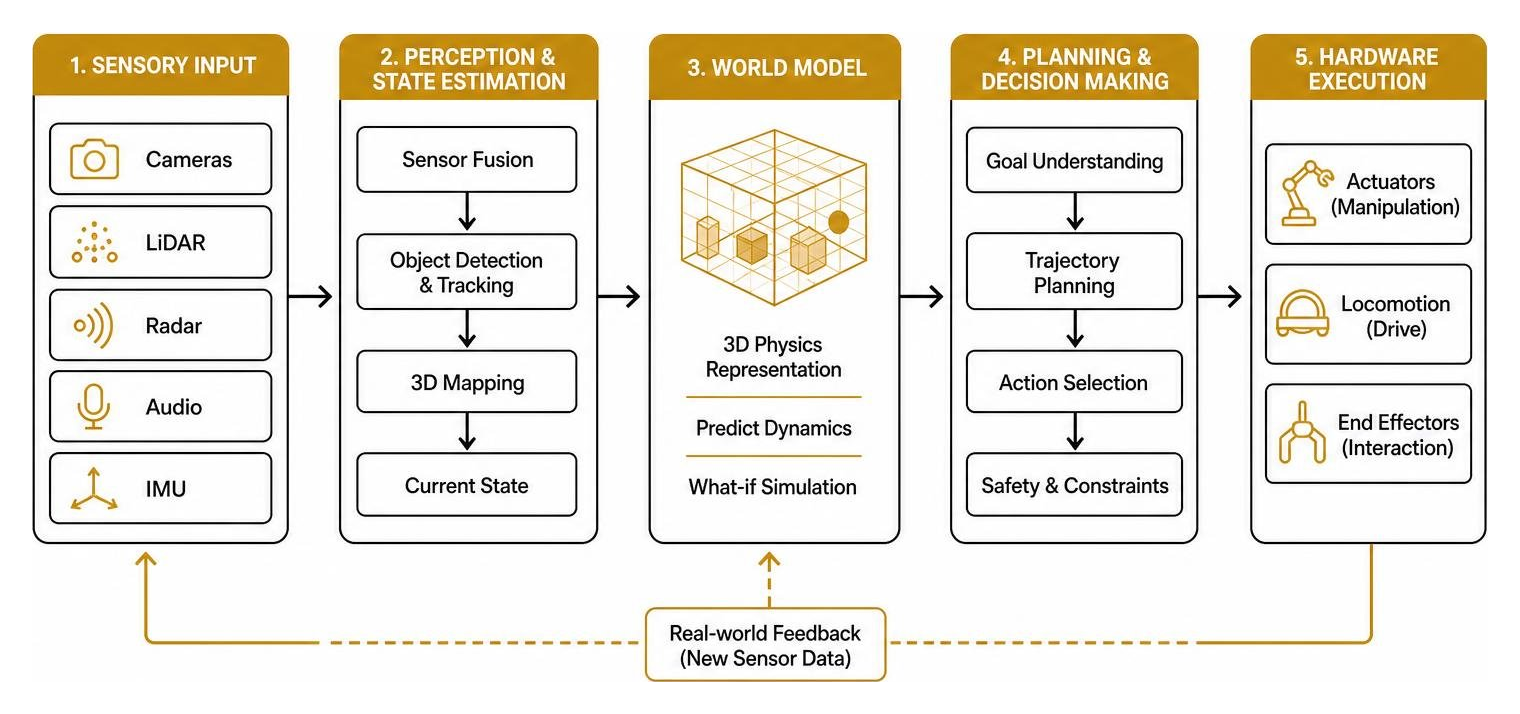
Traditional AI models analyze text or 2D images. By contrast, “world models” build internal 3D physics engines that understand spatial geometry, gravity, velocity, and cause-and-effect relationships. This gives rise to Physical AI—embodied intelligence powering autonomous humanoids, smart factory robots, and self-navigating vehicles.
Unlike digital chatbots, physical AI can navigate dirty, dangerous, or unpredictable environments, adapting to physical obstacles in real time. Early industrial deployments in manufacturing plants and warehouses report efficiency gains of 20% to 50%.
For a comprehensive view on advanced AI and machine vision, read our guides on Artificial General Intelligence Complete Guide, How Computer Vision is Changing the Way AI Sees the World, and The Robot Revolution in Modern Manufacturing.
10. Lattice-Based Cryptography
As quantum computing capabilities advance, standard RSA and ECC encryption algorithms will eventually become vulnerable to quantum decryption—a event often called “Q-Day.”
Lattice-based cryptography is a post-quantum security framework that hides sensitive data within multidimensional geometric grid structures filled with intentional mathematical noise. Solving these lattice problems is mathematically intractable for both classical supercomputers and quantum processors. Following post-quantum standardization by NIST, governments, banks, and enterprise utilities are actively migrating their core infrastructure to lattice-based protocols to secure sensitive data against future decryption.
Real-World Deployment of 10 Emerging Technologies Across Key Industries
The practical application of these technologies spans multiple core sectors:
- Energy & Utilities: Everything-to-grid energy storage stabilizes municipal power lines, while passive radiative cooling coatings boost power line capacity by 30%.
- Healthcare & Pharmaceuticals: Exosome delivery systems and personalized mRNA cancer vaccines streamline targeted treatments, while quantum simulation cuts drug development timelines in half.
- Manufacturing & Logistics: Physical AI and world models drive automated warehouse efficiency, while direct lithium extraction provides localized raw materials for EV supply chains.
- Cybersecurity & Finance: Banking networks and government agencies are implementing post-quantum lattice-based encryption ahead of anticipated 2030 quantum decryption risks.
According to market research summarized in Forrester’s Top 10 Emerging Technologies Analysis, technology leaders evaluate these innovations across three primary benefit horizons: short-term wins (under 2 years), medium-term transformations (2 to 5 years), and long-term strategic investments (5+ years).
Frequently Asked Questions About Emerging Technologies
Which 10 emerging technologies are currently moving into commercial deployment?
Several technologies from the 2026 list have already transitioned from pure research into early commercial deployment. Direct lithium extraction (DLE) is actively operating at commercial brine plants in South America and California. Passive radiative cooling paints and window films are being installed across commercial retail stores and industrial warehouses to lower cooling bills. Everything-to-grid networks are being deployed across regional power markets, and precision fermentation facilities are actively supplying animal-free proteins to commercial food manufacturers.
How do the top emerging technologies address climate change and resource scarcity?
These technologies tackle global environmental challenges through resource efficiency and circular design. Passive radiative cooling reduces energy consumption without electricity or chemical refrigerants. DLE unlocks battery metals from unconventional sources like wastewater with significantly less land and water use than evaporation ponds. Everything-to-grid optimizes existing battery storage to replace fossil-fuel power plants, and PFAS destruction permanently removes long-lasting contaminants from municipal water supplies.
What are the main risks and governance barriers to scaling new technologies?
The primary barriers to scaling these technologies responsibly include:
- Supply Chain Concentration: Concentrated refining capacity for critical minerals can create geopolitical bottlenecks.
- Regulatory Harmonization: Approval pathways for personalized mRNA treatments and precision food products vary significantly by region.
- Infrastructure Upgrades: Transitioning energy systems to support bidirectional everything-to-grid power flows requires substantial software and hardware modernization.
- Post-Quantum Preparedness: Legacy software systems must be updated with lattice-based cryptography before quantum computers are capable of harvesting and decrypting historical data.
Conclusion
At Apex Observer News, we track breakthrough technologies to help decision-makers navigate rapid digital and physical transformations. The 10 emerging technologies of 2026 demonstrate that innovation is no longer limited to virtual workflows—it is actively transforming power grids, biological medicine, industrial manufacturing, and global resource management.
By moving from pure software tools toward physical, personal, and decentralized solutions, these innovations offer practical tools to solve pressing global challenges. Organizations that evaluate these technologies today—balancing short-term operational gains against long-term strategic shifts—will be best prepared to thrive in the years ahead. To stay informed on the latest tech developments, Explore Emerging Technology Innovations.
