


The $1.8 Trillion Crisis Crushing 45 Million Americans
The student loan debt crisis is one of the biggest financial emergencies facing the United States today. Here’s what you need to know at a glance:
- Total debt: ~$1.8 trillion (federal + private combined)
- Borrowers affected: Over 43 million Americans
- Delinquency rate: 10.2% of aggregate student debt is 90+ days past due
- Average repayment time: More than 20 years
- Who’s hit hardest: Black and Latino borrowers, first-generation students, and low-income families
- 2025 threat: Up to 9 million borrowers at risk of default this year
Higher education was supposed to be the ladder to a better life. Instead, for tens of millions of people, it has become a decades-long financial anchor.
College costs at public four-year institutions have surged over 150% since 1981 — far outpacing wages and inflation. Federal lending policies expanded access to loans, but also made it easier for tuition to keep climbing. The result? Graduates entering the workforce already buried under debt before their careers even begin.
The burden is not shared equally. Black borrowers, 20 years after starting college, still owe a median of 95% of their original loan balance — while the median white borrower has paid theirs down by 94%. That’s not a coincidence. It’s the compounding effect of systemic inequality, wage gaps, and a lending system that was never designed with equity in mind.
This isn’t just a personal finance problem. It’s slowing down the entire economy — delaying home purchases, suppressing new business startups, and dragging on consumer spending for an entire generation.
I’m Faisal S. Chughtai, founder of ActiveX and a digital strategy expert who has analyzed the intersection of financial systems, policy, and technology — including the structural forces driving the student loan debt crisis. In this guide, I’ll walk you through everything you need to understand the crisis, its causes, and what borrowers can actually do about it.
Student loan debt crisis vocab explained:
The Current Scale of the Student Loan Debt Crisis
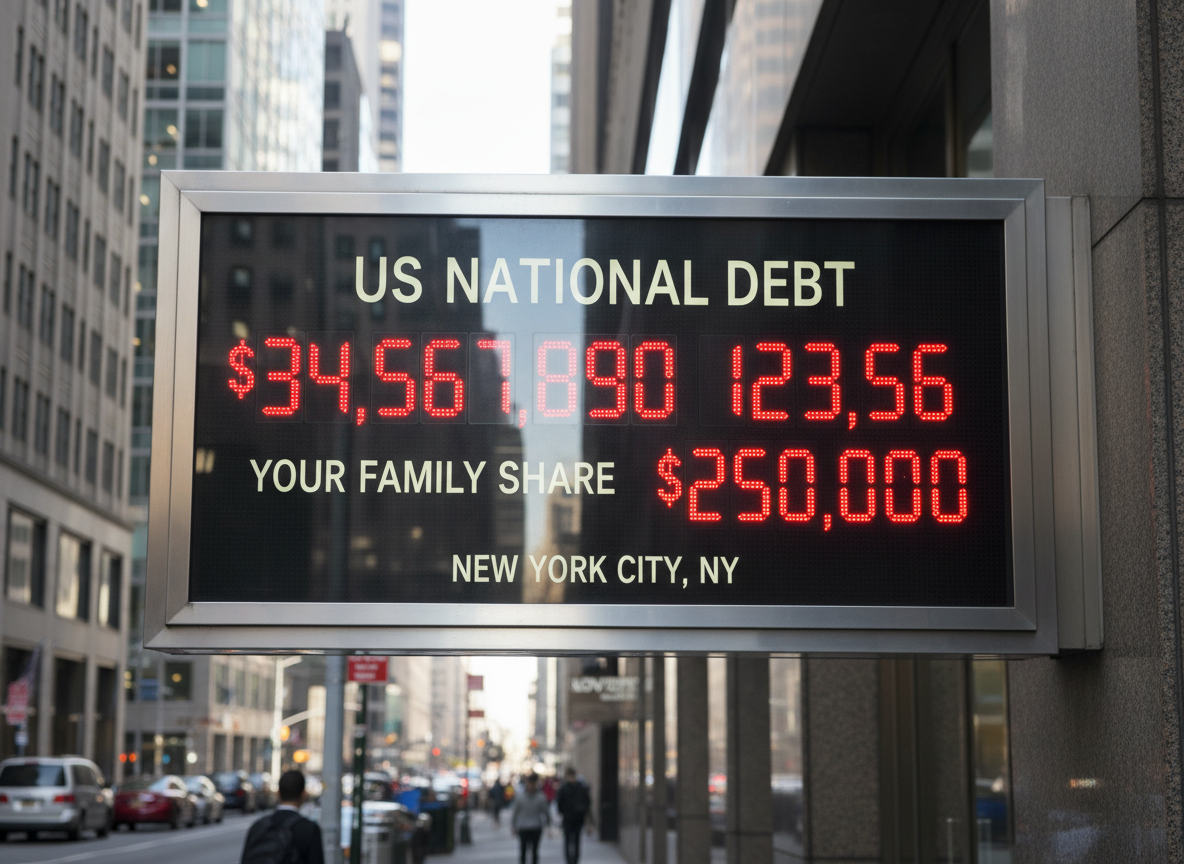
When we talk about the student loan debt crisis, the numbers are so large they almost feel abstract. But for the 43.6 million individuals holding federal student loans, the reality is very concrete. As of the end of 2022, the total student loan debt in the United States reached a staggering $1.774 trillion, and it has since climbed toward the $2 trillion mark. To put that in perspective, student debt is now the second-largest category of consumer debt in the U.S., trailing only mortgages. It is larger than the nation’s total credit card debt or auto loan debt.
Data from the Center for Microeconomic Data shows that about 16% of all American adults have outstanding undergraduate debt. In California alone, borrowers carry approximately $150 billion of this total. This is a massive weight on the Economic News Headlines Today: Complete Guide we see every morning.
The situation is becoming more precarious. Recent reports indicate a 10.2% delinquency rate, meaning more than one in ten borrowers are at least 90 days behind on their payments. While federal loans make up the vast majority of the portfolio (roughly $1.66 trillion), private student loans add another significant layer of high-interest pressure on households.
Racial Disparities in the Student Loan Debt Crisis
The student loan debt crisis does not impact everyone equally; it acts as a magnifying glass for existing racial inequities. Data shows that 90% of Black students and 72% of Latino students take out loans to fund their education, compared to 66% of white borrowers.
The long-term outcomes are even more startling. Research highlights that 20 years after starting college, the median Black borrower still owes 95% of their original loan. In contrast, the median white borrower has seen their debt reduced by 94% in the same timeframe. This disparity is driven by several factors:
- Wealth Gaps: Median Black households with student debt often have only 5% of the wealth of white households.
- Repayment Struggles: In 2021, 17% of Black borrowers and 18% of Latino borrowers reported being behind on payments, nearly double the rate of white borrowers (9%).
- First-Generation Challenges: Many marginalized students lack the family safety net or financial literacy resources to navigate complex lending systems.
While some look for ways How Pakistani Students Can Go to US Universities for Free, the reality for most domestic minority students is a cycle of debt that sharpens the racial wealth gap rather than closing it.
The Global Reach of Educational Debt
While the U.S. often dominates the headlines, the student loan debt crisis is a global phenomenon. In the United Kingdom, student debt has surpassed £200 billion. In Australia, “indexation” has caused loan balances to grow even as students make regular payments, leading to significant public outcry.
In emerging markets, the lack of public funding often forces students into high-interest private loans. As noted in The student debt tsunami our economy is not prepared for, this “tsunami” of debt is a global economic shockwave that delays life milestones for young people everywhere. Programs like the Global Ugrad Students Exchange Program in Pakistan offer glimpses of international cooperation, but the underlying trend remains: education is becoming more expensive worldwide, and students are footing the bill with their future earnings.
Primary Causes and Economic Consequences
Why did we get here? The student loan debt crisis is the result of a “perfect storm” of policy shifts and economic trends. Since the 1980s, tuition at public four-year institutions has increased by 153.8% after adjusting for inflation. This growth has outpaced inflation by 65.2%.
One major cause is the decline in state funding. Since 2001, state tax appropriations for higher education have dropped by 31.6%. To fill the gap, universities have shifted the cost onto students. This shift was accelerated by the Middle Income Student Assistance Act (MISAA) of 1978, which expanded federal loan eligibility. While intended to help, it allowed institutions to raise prices knowing students could simply borrow more.
| Year Range | Tuition Growth (Adjusted) | Wage Growth (Median) |
|---|---|---|
| 1980 – 2020 | +169% | +~20% |
| 1996 – 2025 | Average debt doubled | Stagnant for entry-level |
The consequences of this debt extend far beyond a monthly bill. We are seeing a 20% decline in homeownership among young adults and a 14.4% decrease in small business startups over the last decade. Borrowers are forced into The Price of Doing Business: Navigating Inflation and Labor Woes daily, often choosing between paying their loans or saving for retirement. This reality is a constant challenge for those in CFO Responsibilities: Managing Financial Strategy and Operations, as the debt-to-income ratio of the workforce affects everything from consumer spending to corporate benefit planning.
Predatory Lending and the Student Loan Debt Crisis
Predatory practices have poured gasoline on the fire. For-profit colleges, in particular, saw a 600% enrollment increase between 1990 and 2010. Many of these institutions targeted low-income and veteran students with promises of high-paying jobs that never materialized. Scandals involving schools like Corinthian Colleges exposed how institutions relied on Title IV federal loans to generate profit while leaving students with worthless degrees and massive debt.
Loan servicers have also faced scrutiny. Lawsuits against companies like Navient allege that they steered borrowers into expensive forbearance rather than explaining more affordable income-driven repayment options. As discussed in The Student Debt Crisis: Causes and Solutions | ACE Blog, the reliance on federal lending has created a “bubble” where institutional dishonesty and mismanagement often go unchecked until it is too late for the borrower.
Health Impacts and Psychological Toll
The student loan debt crisis isn’t just a balance sheet issue; it is a public health crisis. Research shows that consistent high debt is linked to a 21% increase in depressive symptoms. For many, debt is a “chronic stressor” that leads to “physiologic weathering”—the premature aging of the body due to constant financial strain.
Borrowers often find themselves in a state of “financial triaging,” deciding which bills to skip to keep the lights on. This cognitive burden reduces the mental bandwidth available for work, parenting, and self-care. Over 80% of borrowers with more than $200,000 in debt report overwhelming stress and anxiety. Even with 7 Digital Education Tools for Teachers and Students designed to make learning easier, the underlying stress of how to pay for that learning can negate many of the health benefits traditionally associated with earning a degree.
Navigating Solutions: Forgiveness and Repayment Plans
While the situation is dire, there are pathways to relief. The landscape of repayment is changing rapidly:
- SAVE Plan: The Saving on a Valuable Education (SAVE) plan is the newest income-driven repayment (IDR) option, designed to lower monthly payments and prevent interest from ballooning.
- Public Service Loan Forgiveness (PSLF): This program offers total forgiveness for those working in non-profits or government after 120 qualifying payments. While it has a history of backlogs, recent reforms have cleared billions in debt.
- Employer Contributions: Under the Secure Act 2.0, employers can match student loan payments with contributions to an employee’s 401(k), helping borrowers save for the future while paying down debt.
- Scholarships and Grants: Looking for alternatives like how the Irish Government Announces 60 Scholarships for International Students can help future students avoid debt altogether.
We are also seeing the rise of affordable, debt-free education models and the integration of The Future of Education in the Era of Artificial Intelligence to help students find more cost-effective paths to a degree.
Frequently Asked Questions about Student Loans
What is the total amount of student loan debt in the US?
The total amount is approximately $1.8 trillion. This includes $1.66 trillion in federal debt and over $130 billion in private loans. Roughly 45 million Americans are currently carrying this debt. You can find more detailed breakdowns in the Student Loan Debt Statistics [2026]: Average + Total Debt report.
How does student debt affect mental health?
Student debt is a major source of chronic stress. Studies link it to higher rates of anxiety, a 21% increase in depressive symptoms, and physical issues like cardiovascular strain. The constant “financial triaging” creates a heavy cognitive burden that can impact every area of a borrower’s life.
What resources are available for struggling borrowers?
Borrowers can reach out to the Student Debt Crisis Center (SDCC) for advocacy and education. Californians have access to the DFPI student loan ombudsperson for help with servicer disputes. Additionally, always check with your loan servicer about IDR plans and federal protections. While researching Best Banks in Pakistan or other global financial institutions might be helpful for international students, U.S. borrowers should stay focused on federal resources like studentaid.gov.
Conclusion
At Apex Observer News, we believe that understanding the student loan debt crisis is the first step toward solving it. Whether it’s through personal financial literacy, supporting policy reform, or joining movements like the SDCC, there are ways to fight back against the “debt tsunami.”
The promise of higher education should be a brighter future, not a lifetime of interest payments. As we continue to track More business news and financial updates, we remain committed to providing you with the data you need to navigate these challenging waters. For those still looking for educational opportunities, One Month Remains in Applying for Fulbright Scholarship in Pakistan and other debt-free pathways still exist. Stay informed, stay vocal, and let’s work toward an education system that empowers rather than encumbers.
