

Why RI Energy Bills Are Hitting Rhode Islanders Hard This Winter
RI Energy is the main electric and gas utility serving Rhode Island — and right now, its customers are facing some of the steepest winter bills in decades.
Here’s a quick snapshot of what’s happening:
- 16% rise in winter electricity prices as of October 1
- $32/month in savings approved for average electric customers (January–March)
- $64 million in refunds issued to natural gas customers starting November 1
- Multiple assistance programs available — including LIHEAP, Operation Help, and the Good Neighbor Energy Fund
- Free home energy assessments and weatherization help are open to all households, including renters
This winter is being called the coldest in 30 years. That means higher usage, higher bills, and a lot of confused customers wondering what help is actually out there.
The situation got more complicated when RI Energy pulled its own discount proposal — one that would have saved customers $20–$50 per month — before regulators stepped in with an alternative plan.
Whether you’re trying to lower your bill, find financial aid, or understand what’s coming next with rates, this guide covers everything you need to know.
I’m Faisal S. Chughtai, founder of ActiveX and a digital strategy expert who has tracked RI Energy policy developments and utility market trends closely. I’ll walk you through every option available so you can take action fast.
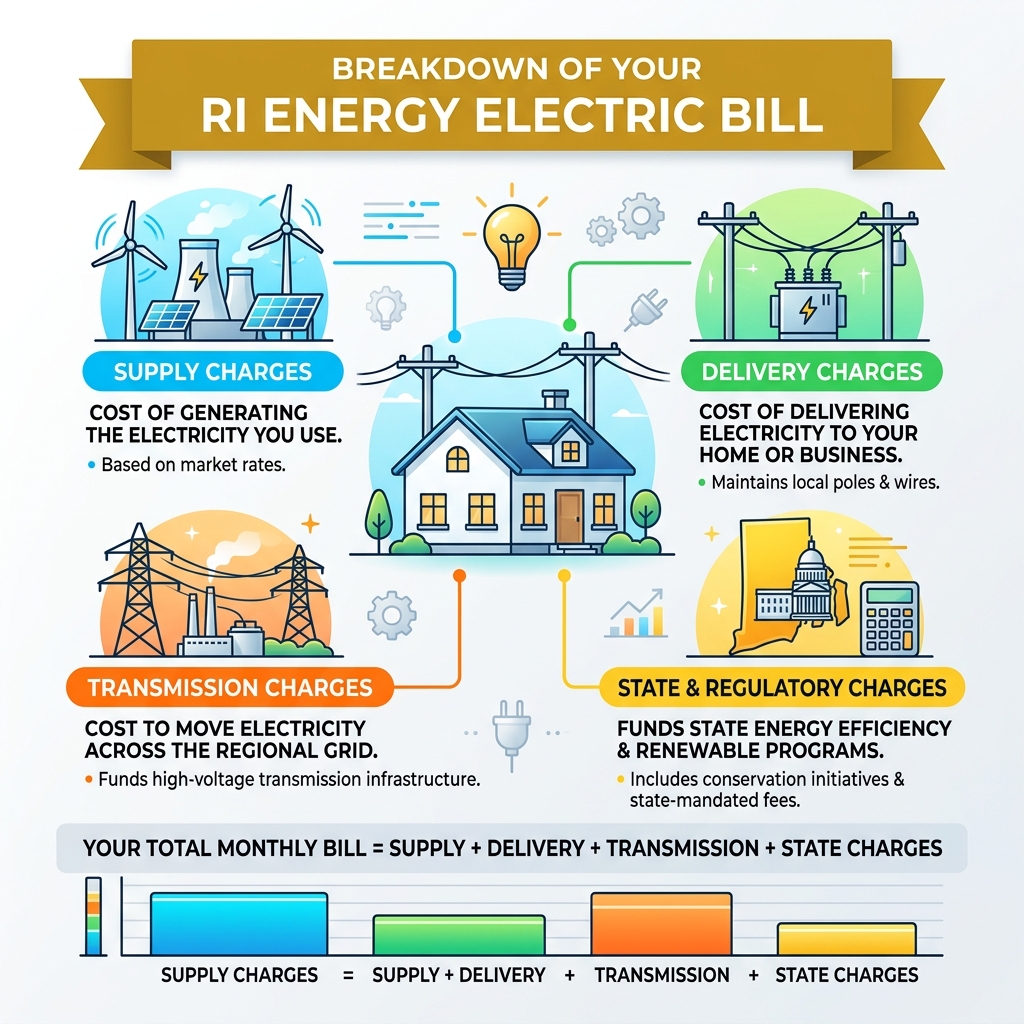
** ri energy** word roundup:
Navigating Winter Discounts and the Withdrawal of Original Offers
If you feel like you’ve been watching a high-stakes game of “keepaway” with your utility bill, you aren’t alone. Earlier this year, RI Energy presented a plan that looked like a holiday gift: significant discounts for the coldest months of the year. However, just as quickly as the offer appeared, it was snatched back.
The Great Withdrawal
Why did RI Energy yank its offer? It boils down to a disagreement between the utility and state regulators. The Rhode Island Attorney General and the Public Utilities Commission (PUC) expressed concerns that the utility’s proposal didn’t quite live up to the promises made during the 2022 sale of state gas and electric operations from National Grid to PPL Corp.
Under that sale agreement, the new owners were required to provide “hold harmless” credits to customers. Critics argued that the original discount proposal was essentially lowballing the value of those mandatory credits. Governor McKee even stepped in, calling the withdrawal “flat-out unacceptable.”
The Approved Alternative Plan
Fortunately for our wallets, the PUC didn’t just let the matter drop. They pivoted and approved an alternative relief plan to ensure residents weren’t left out in the cold.
Here is how the savings break down for the average residential customer (defined as those using roughly 500 kilowatt-hours of electricity per month):
- Monthly Savings: Approximately $32 per month.
- Duration: January through March.
- Source of Funds: Regulators tapped into energy efficiency and storm preparedness funds to create these credits.
| Feature | Original RI Energy Proposal | Approved PUC Alternative |
|---|---|---|
| Electric Discount | $20 to $30 per month | ~$32 per month |
| Gas Discount | $40 to $50 per month | Included in $64M refund pool |
| Status | Withdrawn by Utility | Active & Approved |
In addition to the electric relief, natural gas customers are seeing a significant win. A total of $64 million in refunds began rolling out on November 1, providing much-needed padding against the winter chill. Utility regulators approve alternative winter electric discounts was a major headline this season, proving that state oversight can indeed step in when utility companies and the public don’t see eye-to-eye.
Essential Assistance Programs for RI Energy Customers
We know that even with a $32 discount, a 16% rate hike can still make the monthly budget feel like a jigsaw puzzle with missing pieces. If you are struggling to keep up, there are several “safety net” programs designed specifically for Rhode Island households.
Federal and State Financial Aid
The most robust program available is LIHEAP (Low Income Home Energy Assistance Program). This is a federal program administered locally that provides a direct credit to your utility or fuel account.
If you qualify for LIHEAP, you often gain “automatic” entry into other helpful programs:
- Weatherization Assistance: Free upgrades to your home to stop heat from escaping.
- Heating System Repair: Help fixing or replacing a broken furnace.
Private and Community Funds
Sometimes you might not qualify for federal aid but still find yourself in a pinch. That’s where community-funded programs come in:
- Good Neighbor Energy Fund: This is a “neighbors helping neighbors” fund that provides one-time grants to people facing temporary financial hardships.
- Keep the Heat On: A program of last resort for those who have exhausted all other forms of assistance.
- Operation Help: A newer initiative mentioned in RI Energy‘s toolkit that provides emergency bill relief.
Managing Your Bill Directly with the Utility
We highly recommend checking out the FAQs for Homeowners to see the full scope of your rights as a consumer. RI Energy also offers several internal tools to help flatten those winter spikes:
- 12-Month Budgets: Instead of paying $400 in January and $80 in July, they average your annual usage into twelve equal payments. This makes monthly budgeting much easier.
- Discount Rates: If you receive certain state or federal benefits, you may be eligible for a lower usage rate year-round.
- Payment Plans: If you have fallen behind, don’t wait for a shut-off notice. Contact the utility to set up a manageable plan to pay off the balance over time.
To apply for most of these, your first stop should be your local Community Action Agency. They act as the gatekeepers for LIHEAP and can guide you through the paperwork for the other funds.
Long-Term Savings Through Energy Efficiency and Renewables
While discounts and aid are great for surviving the current winter, the best way to handle RI Energy bills in the long run is to use less energy. The state has set an ambitious goal of 100% renewable electricity by 2030, and they are putting money behind it to help you transition.
Free Home Energy Assessments
Did you know that every household in Rhode Island—including renters—is eligible for a Free Home Energy Assessment? A specialist will come to your home (or do it virtually) to identify exactly where you are losing money. They often provide:
- LED lightbulbs
- Advanced power strips
- Low-flow showerheads
- Weatherstripping for doors
All of this is usually provided at no extra cost during the assessment.
The RI Energy Online Store
For those who like to take a DIY approach, the RI Energy online store offers “instant savings” on high-tech gear. You can often find:
- Smart Thermostats: Models like the Sensi Lite or Google Nest are frequently discounted by $75 to $95. In some cases, with promo codes, you can snag a smart thermostat for as little as $4.99.
- EV Chargers: As the state pushes for cleaner transportation, rebates on 48-Amp and 50-Amp home chargers have become common.
- Air Purifiers: Energy-efficient models that help keep your indoor air clean while you’ve got the windows sealed tight for winter.
Investing in the Future: Solar and Grants
The Rhode Island Office of Energy Resources (OER) manages the Renewable Energy Fund grants, which support everything from small-scale residential solar to massive commercial projects.
Currently, the state’s clean energy portfolio boasts a capacity of 1268 Megawatts. This includes:
- 430 MW from offshore wind (Rhode Island is home to the first offshore wind farm in the U.S.!)
- 643 MW from solar installations
- 148 MW from onshore wind
By tapping into these programs, you aren’t just lowering your own bill; you’re helping the state reach its 2030 target.
Frequently Asked Questions
What future rate hikes are expected for RI Energy?
The current calm in base rates is thanks to a three-year moratorium that was part of the 2022 acquisition deal. However, that “rate freeze” is set to expire in 2026. Experts anticipate that RI Energy will likely propose new rate base increases at that time to cover infrastructure improvements and “distribution cost adjustments.” Any such hike must be reviewed and approved by the Public Utilities Commission, which usually involves public hearings where you can voice your concerns.
How do I access the RI Energy online store for instant savings?
You can visit the store directly through the RI Energy website. Look for the “Ways to Save” or “Shop” sections. Keep an eye out for “ConnectedSolutions” programs, which sometimes offer even deeper rebates if you agree to let the utility make minor adjustments to your thermostat during periods of extreme peak demand (don’t worry, you always have control!).
What is the role of the Office of Energy Resources in state policy?
The OER is the brain behind the state’s energy strategy. They don’t just watch the bills; they launch programs like Clean Heat RI (which provides incentives for heat pumps) and agricultural energy grants for local farms. They also manage the Electric Leaf Blower Rebate Program and work on “Resilient Microgrids” to ensure that critical services like hospitals and fire stations stay powered during major storms.
Conclusion
Surviving the winter with RI Energy requires a mix of short-term strategy and long-term planning. While the “keepaway” game with discounts was frustrating, the intervention of state regulators has secured at least $32 in monthly savings for most families through March.
By combining these credits with assistance programs like LIHEAP, utilizing the 12-month budget plan, and taking advantage of free energy assessments, you can take the “sting” out of those winter utility statements. We at Apex Observer News are committed to keeping you informed as the 2026 rate landscape begins to take shape.
For more tips on navigating the changing economy and utility markets, be sure to Stay updated on the latest trends on our main site. Stay warm, stay informed, and don’t forget to check those thermostat batteries!
