

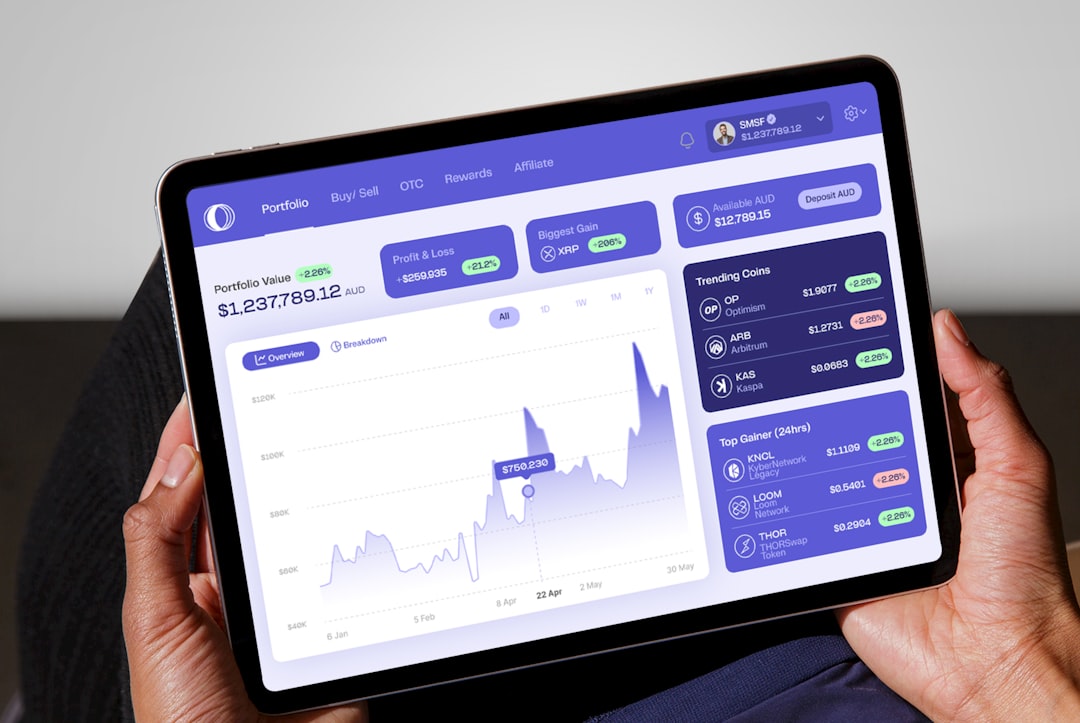
Are Free Online Trading Platforms Actually Worth It?
Free online trading platforms have completely changed how everyday people invest. No longer do you need a full-service broker charging £5–£12 per trade or a 0.25%–0.45% annual management fee eating into your returns.
Here are the top free trading platforms to know right now:
| Platform | Best For | Key Perk |
|---|---|---|
| Robinhood | US stocks, crypto, options | 24/5 trading, HOOD Rewards |
| Trading 212 | UK/EU investors | 3.8% AER on cash, Pies feature |
| eToro | Copy trading, beginners | 40M+ users, CopyTrader |
| Freetrade | UK ISA & SIPP | Free ISA, free pension |
| Webull | Active traders | Extended hours, advanced charts |
| Moomoo | Pro-level tools | 8.1% APY promo, paper trading |
| Freedom24 | Global markets | 1,000,000+ instruments |
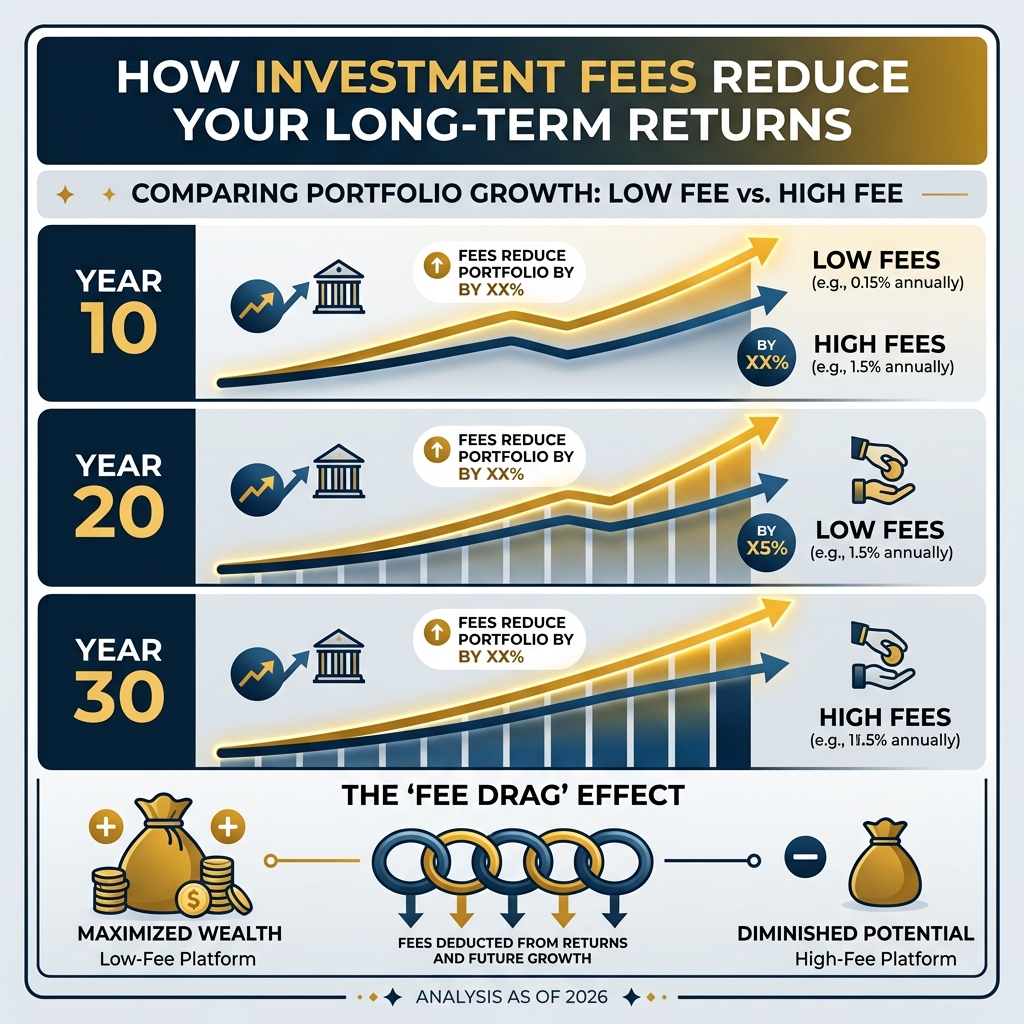
The case for switching is hard to ignore. According to a YouGov survey of over 2,000 investors, 76% of investors don’t know exactly how much they’re losing to fees. Over decades, those fees compound — quietly draining thousands from your portfolio.
But “free” doesn’t always mean zero cost. Some platforms charge FX fees, spread markups, or optional subscription fees. Knowing the difference matters.
I’m Faisal S. Chughtai, founder of ActiveX and a digital strategy expert who has researched and evaluated dozens of free online trading platform options to help users make smarter, more informed financial decisions. In this guide, I’ll walk you through exactly what to look for — and what to watch out for.
Handy free online trading platform terms:
Essential Features of a Free Online Trading Platform
When we look for a free online trading platform, we aren’t just looking for a $0 commission button. We want a suite of tools that makes building wealth feel like a habit rather than a chore. Modern platforms have moved far beyond simple “buy” and “sell” buttons.

One of the most transformative features is fractional shares. In the past, if you wanted to own a piece of a high-priced stock like Berkshire Hathaway or Amazon, you needed thousands of dollars for a single share. Today, platforms like Trading 212 and Freetrade let us invest as little as £1 or $1. This democratizes the market, allowing us to build a diversified portfolio even with a small starting balance.
Another game-changer is 24/5 trading. Markets used to sleep, but the digital economy doesn’t. Platforms like Robinhood and Trading 212 now offer extended hours, allowing us to react to news cycles or earnings reports that happen outside the traditional 9:30 AM to 4:00 PM window.
Automation and “Pies”
We are big fans of automation. Trading 212, for instance, offers a “Pies” feature. This allows us to create a custom portfolio (a “Pie”) of stocks and ETFs. When we deposit money, the platform automatically distributes it across our chosen assets based on the percentages we set. It’s a “set it and forget it” approach that is perfect for long-term wealth building.
Asset Availability Comparison
Not every free online trading platform offers the same menu. Some focus heavily on the US market, while others provide a global reach.
| Feature | Robinhood | Trading 212 | eToro | Freedom24 |
|---|---|---|---|---|
| Stocks/ETFs | Yes | 13,000+ | Yes | 1,000,000+ |
| Crypto | Yes | No | 70+ assets | No |
| Bonds | No | 147,000 | No | Yes |
| Options | Yes | No | No | Yes |
| Fractional | Yes | Yes | Yes | No |
For a deeper dive into how these stack up against the old-school giants, check out our guide on the 7 best online brokerage companies compared.
Choosing a Free Online Trading Platform for US Stocks
If your goal is to trade the giants of the S&P 500 or ride the volatility of tech stocks, US-focused platforms are your best bet.
Robinhood remains the poster child for the commission-free movement. Beyond its sleek interface, it offers unique incentives like “HOOD Rewards Season,” where users can earn up to 3% on eligible account transfers. They also provide a Fee Schedule Robinhood that outlines exactly where costs might hide, such as the $5/month Gold subscription.
Webull is the go-to for those of us who want a bit more “under the hood.” It offers advanced charting tools, technical indicators, and extended trading hours (4 AM to 8 PM ET). It’s particularly popular for its web-based platform that requires no downloads, making it easy to trade from any browser.
Moomoo is a newer contender that has quickly gained traction by offering pro-level tools for free. Think unusual options activity tracking and 0DTE (zero days to expiration) options data. For those still learning the ropes, Moomoo’s “Paper Trading” feature lets us practice with virtual money using real-time market data.
Deciding between these can be tough, so we’ve broken down which massive brokerage should you actually use to help clear the air.
Selecting a Free Online Trading Platform for UK/EU Markets
For those of us based in the UK or Europe, the landscape looks slightly different due to local tax wrappers like ISAs and SIPPs.
Trading 212 is a powerhouse in this region. It manages over £25 billion in client assets and supports 12 global currencies within a single account. This is a massive perk because it helps us avoid the dreaded foreign exchange (FX) fees when buying international stocks. They also offer a Stocks and Shares ISA, allowing us to invest tax-free.
Freetrade is another top pick, especially for its simplicity. It is often cited as the UK’s only platform offering a free ISA and free SIPP (Self-Invested Personal Pension) for commission-free investing. While they have a “Basic” free tier, they also offer “Standard” and “Plus” plans for those who want access to a wider range of stocks and lower FX fees. You can Open an ISA directly through their app to start protecting your gains from the taxman.
Freedom24 offers a unique angle by providing access to over 1,000,000 instruments, including an impressive selection of 147,000 bonds. This is ideal for investors looking for reliable fixed income in addition to stock market growth.
All these platforms operate under strict oversight. For example, Freetrade is authorised and regulated by the Financial Conduct Authority, ensuring they meet high standards of conduct.
Maximizing Returns on Uninvested Cash
One of the coolest trends in the free online trading platform space is the “Cash Sweep” or interest-on-cash feature. In the past, money sitting in your brokerage account earned nothing. Now, these platforms are competing with high-street banks.
- Moomoo recently made waves with a promo rate of up to 8.1% APY on uninvested cash (as of late 2025).
- Trading 212 offers a solid 3.8% AER on GBP cash balances, with interest paid out daily.
- eToro provides up to 3.55% annual interest, with monthly payments and no long-term commitment.
- Robinhood Gold members can also earn competitive rates on their uninvested cash, often significantly higher than traditional savings accounts.
This means your money is working for you even when you aren’t actively trading. It’s a great way to hedge against inflation while waiting for the right market opportunity. If you’re interested in how cash rewards work in other financial areas, you might find our look at the chase freedom unlimited credit card 101 useful for comparison.
Hidden Fees and Regulatory Costs to Watch
We have to be honest: “Commission-free” does not mean “totally free.” These companies are businesses, and they have to keep the lights on.
The most common “hidden” cost is the FX Fee. If you are a UK investor buying US stocks on Freetrade or Trading 212, you will likely pay a small percentage (usually 0.15% to 0.45%) to convert your pounds into dollars.
Then there is the Spread. This is the difference between the “buy” price and the “sell” price. Some platforms may have slightly wider spreads, meaning you pay a tiny bit more when you buy and get a tiny bit less when you sell.
Other costs to keep an eye on include:
- Subscription Fees: Robinhood Gold ($5/mo), Freetrade Standard (£4.99/mo).
- Regulatory Levies: Small fees charged by the SEC or FINRA in the US.
- Withdrawal Fees: Some platforms charge a flat fee to move money back to your bank.
As mentioned in the Robinhood Fee Schedule, even the most “free” apps have specific charges for things like paper statements or outgoing account transfers. 76% of investors are unaware of these costs, so always read the fine print!
Security Measures and Investor Protections
Is your money safe on a free online trading platform? This is the most important question. Thankfully, these platforms use the same high-level security as traditional banks.
Multi-factor authentication (MFA) is standard. This means even if someone steals your password, they can’t get into your account without a code from your phone.
Beyond digital security, there are government-backed protections:
- SIPC (US): In the United States, the Securities Investor Protection Corporation protects customers up to $500,000 (including $250,000 for cash) if a brokerage firm fails. You can find more SIPC protection details on their official site.
- FSCS (UK): In the United Kingdom, the Financial Services Compensation Scheme protects your investments up to £85,000 (or sometimes more depending on the service) if a regulated firm goes bust.
Most platforms also keep your money in segregated accounts. This means your cash and shares are held separately from the company’s own business funds. If the trading platform goes bankrupt, their creditors cannot touch your assets.
Frequently Asked Questions about Free Trading
Is a free online trading platform actually free?
For basic stock and ETF buying, yes. You won’t pay a per-trade commission. However, you will encounter indirect costs like FX fees on international trades, small regulatory fees, and the “spread” between buy and sell prices.
What are the risks of commission-free crypto trading?
Crypto trading is highly volatile and often lacks the same protections as stocks. For instance, crypto is generally not covered by SIPC or FDIC insurance. Platforms like eToro and Robinhood provide access to dozens of coins, but they always include warnings that you could lose your entire investment.
How do these platforms make money without commissions?
They have several revenue streams:
- Interest on Cash: They earn interest on the money you leave uninvested.
- Payment for Order Flow (PFOF): In the US, market makers pay brokers to route trades through them.
- Subscriptions: Premium tiers like Robinhood Gold or Freetrade Plus.
- Stock Lending: Some platforms, like Trading 212, lend out your shares to institutional investors and share the interest with you.
Conclusion
Choosing the right free online trading platform is a personal decision based on where you live and what you want to trade. Whether you are using Robinhood for its rewards, Trading 212 for its automated “Pies,” or Moomoo for its high-interest cash sweep, the barrier to entry has never been lower.
At Apex Observer News, we believe in democratizing financial information. However, we must remind you that all investing involves risk. Markets are volatile, and it’s essential to diversify your portfolio and only invest money you can afford to lose.
To stay ahead of the curve and make sure you aren’t missing the next big market shift, stay updated with the latest stock market news right here on our platform. Happy trading!
