

Trump’s tariffs and actions in Venezuela are causing the Global South to look for less mercurial partners, analysts say
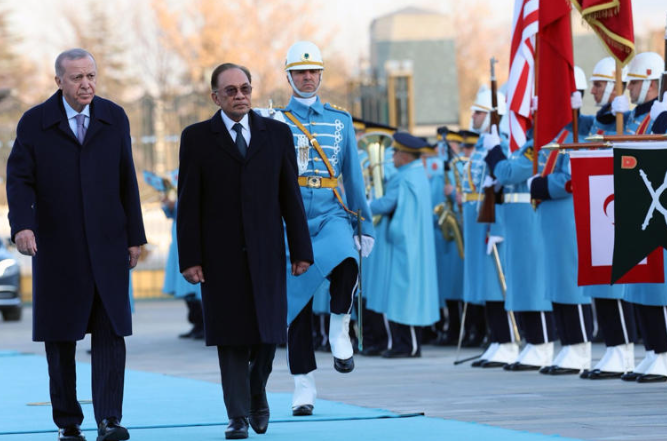
Malaysian Prime Minister Anwar Ibrahim’s latest outreach to Turkey indicates a growing urgency among developing nations to close ranks with like-minded partners, experts say, amid uncertainty caused by US tariffs and mounting military aggression.
Malaysia and Turkey on Wednesday agreed to elevate diplomatic and economic ties by establishing a High Level Strategic Cooperation Council.
Chaired by the leaders of both nations, the council will oversee development across trade and investments in areas such as defence, energy and the environment, and pursue common positions on regional and global issues.
Do you have questions about the biggest topics and trends from around the world? Get the answers with SCMP Knowledge, our new platform of curated content with explainers, FAQs, analyses and infographics brought to you by our award-winning team.
The move comes barely a week after Washington bombed Caracas and captured Venezuelan leader Nicolas Maduro as part of US President Donald Trump’s “war on drugs” – an act that critics, including Anwar, had said violated international law.
Anwar, who is leading a delegation on a three-day official trip to Turkey, said on Wednesday the world was in need of “honest, reliable friends” – like Turkish President Recep Tayyip Erdogan – to call out injustices and take the lead in resolving crises such as the ongoing oppression of Palestine.
“In some of the issues affecting the world, we need a moral voice, we need a voice of conscience, we need leadership,” Anwar said during a joint news conference with Erdogan in Ankara. “The world of politics is facing a deficit in terms of moral and ethical value.”
While Anwar did not name a particular leader or country, his criticism was clearly aimed at the US and its mercurial president, analysts say, as developing nations of the so-called Global South such as Malaysia find it increasingly untenable to work with the world’s largest economy.

Tariff trouble
The push for new regional blocs that are less exposed to US pressure grew in earnest in April after Trump unveiled his “Liberation Day” tariffs – which he has used to force friends and foes alike to agree to lopsided trade deals in favour of the US.
Regional economists have warned that the full effects of the tariffs have yet to hit Southeast Asia’s export-reliant economies, which may struggle to reconcile a surge in competition from US products and a potential fall in demand from the world’s largest consumer market as Trump’s levies increase costs.
“These tariffs … have pushed the Global South and also Brics to try not to depend too much on the Western-led global order, or to be more specific, the United States,” foreign policy expert Azmi Hassan told This Week in Asia, referring to the bloc of emerging economies founded by Brazil, Russia, India, China and South Africa.
“What happened in Venezuela showed that the US is not a trusted partner … because Trump will do something that is very unexpected,” added the senior fellow at the Nusantara Academy for Strategic Research.
Tariffs and trade are driving the rush by developing nations to diversify their trade partners, according to Hafidzi Rafizi, founder and CEO of policy advisory firm Strategic Counsel.
The past year has already seen a flurry of deals between Southeast Asian nations and larger economies such as China, the EU, India, Japan and South Korea to build new trade and economic links that could shield them from US pressure.
What happened in Venezuela showed that the US is not a trusted partner
Azmi Hassan, a foreign policy expert
But an effective bulwark is likely to take longer to develop than they would like, given the US dominance in hi-tech products and services, such as top-line semiconductors.
Malaysia, for example, is deeply dependent on US demand. Its semiconductor exports are largely manufactured by American technology firms that set up multibillion-dollar factories in the country. In 2024, semiconductors accounted for 60 per cent of its total electrical and electronics shipments to the US.
“The economic moat of US companies makes it difficult for this dynamic to be replaced until better and cheaper alternatives are made available,” Hafidzi said.
