

Burger King’s decision to revamp its flagship Whopper burger for the first time in nearly a decade has prompted concerns that the upgrades could eventually lead to higher prices for customers.
Newsweek reached out to Burger King via email for comment.
Why It Matters
Fast food prices have climbed sharply in recent years, making consumers increasingly sensitive to any suggestion of further increases. With the Whopper serving as Burger King’s best‑selling menu item, even small changes to its cost structure have the potential to affect millions of customers nationwide.
What to Know
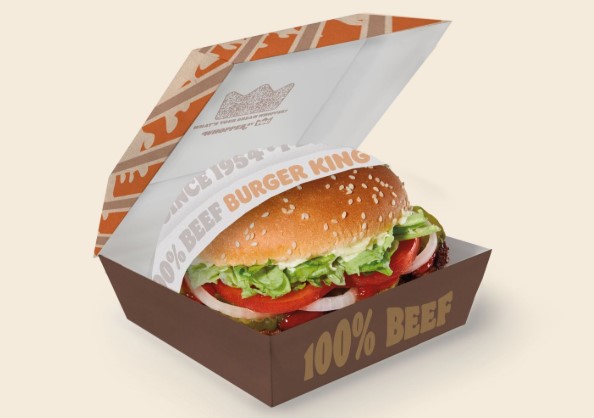
Burger King announced this week that it is updating the Whopper following years of customer complaints that the sandwich was arriving “smushed” and falling apart. The changes include a more premium bun, a creamier mayonnaise and new clamshell‑style packaging designed to better protect the burger. The flame‑grilled beef patty itself remains unchanged.
In an Instagram post announcing the change, Burger King said: “We’ve been hearing for a while now that the Whopper needs to survive the ride home. Done! What else should we fix?”
The revamped Whopper is rolling out across more than 7,000 U.S. restaurants. Burger King President Tom Curtis told CNN the company was careful not to overhaul the iconic product, likening the update to putting the Whopper “in a tuxedo instead of a leisure suit.”
In recent years, other fast food chains including McDonald’s, Panera Bread, Wendy’s and KFC have all increased menu prices.
CNN reported that the upgraded Whopper will cost franchisees about $4,000 more per year to implement. Burger King has advised franchise owners not to raise prices for customers and has suggested the investment could help drive higher sales instead, the outlet reported.
Introduced in 1957, the Whopper costs $6.79 according to the Burger King website, with combos varying between $9.99–$10.49.
