

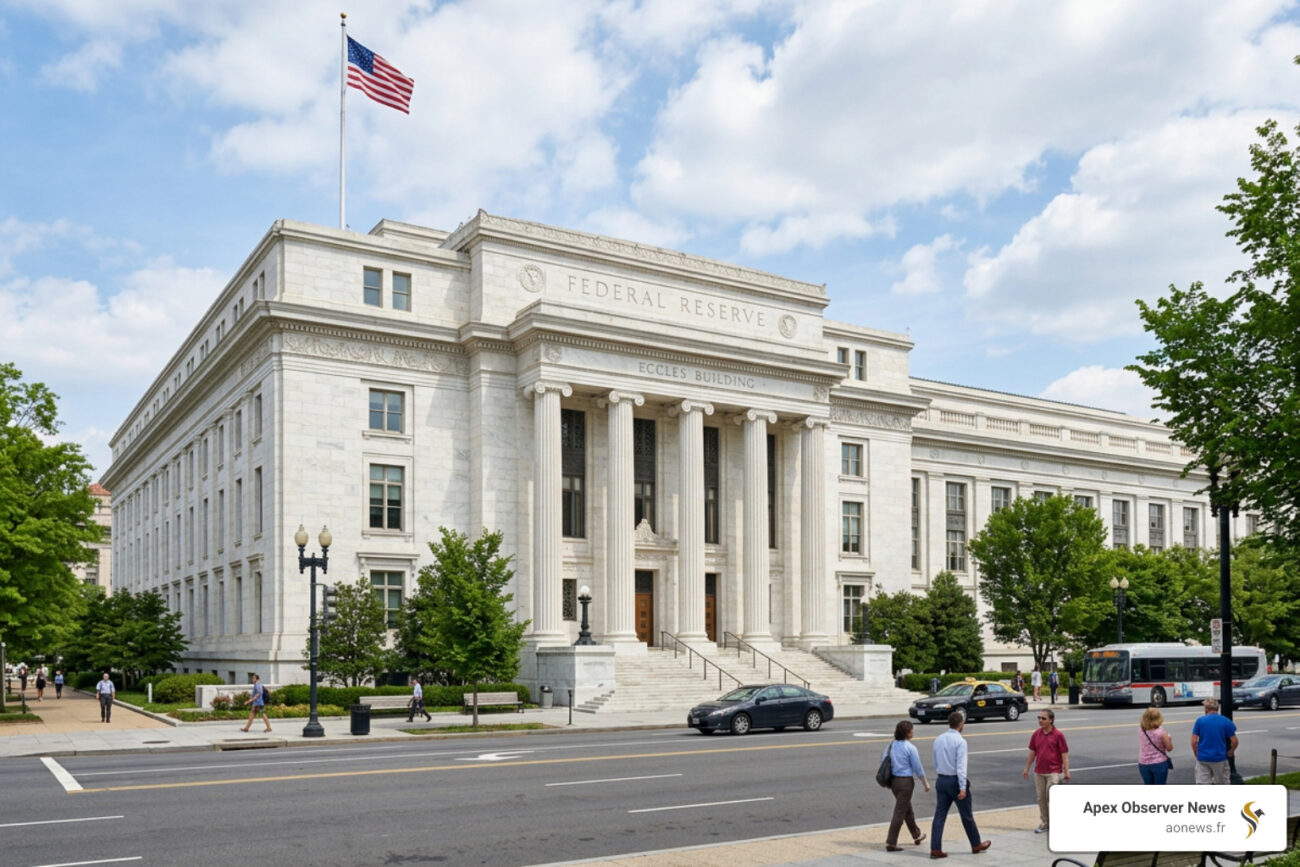
Why Federal Reserve Interest Rates Matter Right Now
Federal Reserve interest rates are the benchmark borrowing costs set by the U.S. central bank that ripple through nearly every corner of your financial life — from your mortgage and credit card to your savings account and retirement portfolio.
Here’s a quick snapshot of where rates stand as of March 2026:
| Rate | Current Level |
|---|---|
| Effective Federal Funds Rate | 3.64% |
| Target Range | 3.75% – 4.00% |
| Bank Prime Loan Rate | 6.75% |
| Discount Window (Primary Credit) | 3.75% |
| 10-Year Treasury Yield | ~4.28% |
The Fed has moved aggressively over the past few years. It slashed rates to near zero during the pandemic, then hiked them to over 5% to fight inflation, and has since cut them back down. Each move reshapes what you pay to borrow and what you earn when you save.
Understanding where rates are — and where they’re headed — helps you make smarter decisions with your money.
I’m Faisal S. Chughtai, founder of ActiveX, with deep expertise in tracking and communicating how Federal Reserve interest rates shape markets, consumer behavior, and digital business strategy. In this guide, we’ll break down everything you need to know in plain language.
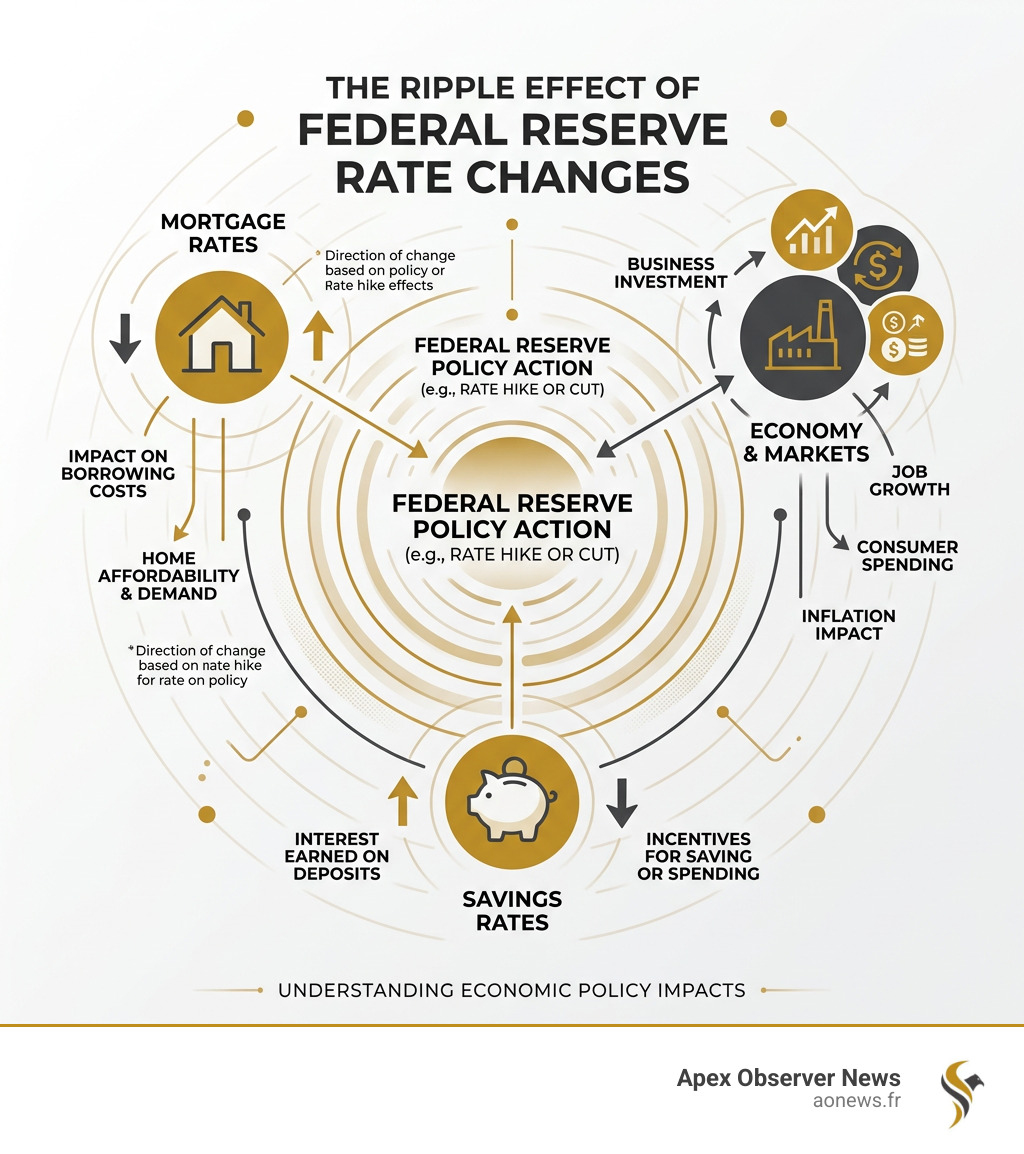
Federal Reserve interest rates terms you need:
Current Federal Reserve Interest Rates and 2026 Outlook

As we navigate through March 2026, the financial landscape is finding a new equilibrium. According to the Official H.15 Selected Interest Rates, the Effective Federal Funds Rate has held remarkably steady at 3.64% during the mid-month period of March 9 to March 13, 2026. This stability follows a series of strategic adjustments by the Federal Open Market Committee (FOMC) aimed at balancing the “dual mandate” of maximum employment and price stability.
To understand how we got here, we have to look back at the pivot point in late 2025. On October 29, 2025, the FOMC lowered the target range for the federal funds rate by 1/4 percentage point, bringing it to the current 3-3/4 to 4 percent (3.75% to 4.00%). This move was a clear signal that the Fed felt the “inflation dragon” had been sufficiently tamed and that the focus was shifting toward supporting a moderate expansion of economic activity.
Currently, other benchmark rates have aligned with this target. The bank prime loan rate — which many of us see reflected in our credit card statements — is holding at 6.75%. Meanwhile, the 10-year Treasury constant maturity yield, a key indicator for long-term debt like mortgages, saw a slight uptick from 4.12% on March 9 to 4.28% by March 13, 2026. This “creep” in Treasury yields suggests that while the Fed is holding steady, the market is still pricing in future growth and potential shifts in government spending.
Understanding the Federal Reserve Interest Rates Target Range
When we talk about the “target range,” we are talking about the Fed’s primary tool for steering the economy. The FOMC doesn’t just pick a number out of a hat; they use a sophisticated set of “levers” to keep the market rate within that 3.75% to 4.00% window.
One of the most important levers is the Interest on Reserve Balances (IORB). Currently, the rate paid on reserve balances stands at 3.90%, effective since October 30, 2025. Think of this as the “floor” for interest rates. Because banks can earn 3.90% just by leaving their money at the Fed, they have no incentive to lend it to other banks for anything less.
Other technical tools include:
- Primary Credit Rate: Maintained at 3.75% for the discount window.
- Overnight Reverse Repurchase Facility: Used to soak up excess liquidity and keep rates from falling too low.
- Open Market Operations: The buying and selling of government securities to influence the supply of money.
For those interested in the nitty-gritty of how these rates are calculated, you can explore the Technical details on reference rates. The Effective Federal Funds Rate (EFFR) is actually a volume-weighted median of overnight transactions, meaning it represents the “real-world” cost of money between banks.
Impact of Fed Policy on Consumers and Borrowing Costs
When the Fed sneezes, the consumer catches a cold — or at least a change in their monthly budget. The ripple effect of Federal Reserve interest rates is most visible in three main areas: housing, plastic, and cars.
1. Mortgages: While the Fed doesn’t set mortgage rates directly, they follow the 10-year Treasury yield like a shadow. When the Fed cut rates in late 2025, we saw a sigh of relief in the housing market. However, with the 10-year yield rising to 4.28% in mid-March 2026, fixed-rate mortgages have remained somewhat sticky. If you’re looking to buy, we’ve noticed that even a 0.25% change can mean thousands of dollars over the life of a 30-year loan.
2. Credit Cards and Auto Loans: Most credit cards carry variable APRs tied to the prime rate. With the prime rate steady at 6.75%, those of us carrying a balance aren’t seeing the rapid spikes of 2023, but we aren’t seeing “cheap” money either. Auto loans have also stabilized, making it slightly easier to budget for that new EV, though lenders remain cautious about credit scores.
3. Savings and CDs: For savers, the news is a bit of a mixed bag. Falling rates mean that the “golden era” of 5% high-yield savings accounts is fading. Many banks are now offering closer to 3.5% or 4%. If you’re worried about further cuts, locking in a CD (Certificate of Deposit) now might be a smart move to “freeze” today’s yields before the Fed potentially moves lower later in 2026.
We are also seeing a shift in global currency markets. You can find More info on dollar market trends to see how these U.S. rate decisions make the dollar more or less attractive to international investors.
How Federal Reserve Interest Rates Affect the Gaming Industry
One of the most fascinating sectors to watch during rate cycles is the gaming and iGaming industry. Why? Because gaming is a “capital-intensive” business. Whether it’s building a multi-billion dollar resort on the Las Vegas Strip or acquiring a digital sportsbook, companies in this space rely heavily on debt.
The Debt Refinancing Game: According to data from NYU, the average debt-to-EBITDA multiple in the gaming sector is 5.3, which is significantly higher than the market average of 3. When Federal Reserve interest rates fall, these companies can refinance their massive “stacks” of debt at lower costs. This moves millions of dollars from the “interest expense” column directly into “free cash flow.”
M&A Activity: We are seeing a potential “vintage year” for iGaming mergers and acquisitions (M&A). Lower rates make it cheaper for big players to borrow money to buy smaller, innovative tech startups. We’ve seen companies like DraftKings and Caesars struggle with stock valuations when rates were high (DraftKings was down 51% at one point), but as rates creep down, investors are becoming more optimistic about their growth potential.
Gaming REITs: Real Estate Investment Trusts like VICI Properties and Gaming and Leisure Properties (GLPI) are often viewed as “bond proxies.” When rates are high, investors prefer safe Treasury bonds. But as the Fed holds rates in the 3.75% range, the 5.1% to 5.8% dividend yields offered by these gaming REITs start looking very attractive again.
The global nature of iGaming also means that currency fluctuations matter. Check out our Analysis of currency fluctuations to see how the dollar’s strength impacts operators with international footprints.
The FOMC Schedule and Leadership Transition
The big question on everyone’s mind in Washington and on Wall Street is: “Who’s next?” Jerome Powell’s term as Chair of the Federal Reserve is set to end in mid-May 2026. This transition is happening at a critical juncture for the U.S. economy.
The New Leadership: President Trump has nominated Kevin Warsh to take the helm. Warsh is a familiar face; he was the youngest Fed governor in history when he joined at age 35 and served during the 2008 financial crisis. Analysts are debating whether a Warsh-led Fed will be more “dovish” (favoring lower rates to spur growth) or if he will maintain the strict independence that Powell fought to preserve.
There is significant intrigue regarding how political influence might play a role. Some senators, like Thom Tillis, have expressed concerns that undermining the Fed’s independence could lead to “catastrophic economic consequences.” We will be watching the confirmation hearings closely, as the gaming industry and broader markets thrive on predictability.
Upcoming FOMC Meetings: If you want to stay ahead of the curve, mark your calendars for these upcoming 2026 meeting dates:
- March 17-18, 2026: Expect a decision on whether to hold at 3.75% or introduce another “insurance” cut.
- April 28-29, 2026: This meeting will likely set the tone for the leadership transition in May.
Minutes from these meetings are typically released three weeks later, providing the “behind-the-scenes” logic of the committee. For the latest official updates, you can always visit the Official FOMC policy resources.
Frequently Asked Questions about Federal Reserve Policy
Why does the Fed change interest rates?
The Fed acts like the economy’s thermostat. If the economy is “overheating” (inflation is too high), they raise rates to cool things down by making borrowing more expensive. If the economy is “chilly” (unemployment is rising or growth is stalling), they lower rates to encourage spending and business investment. Their ultimate goal is a “soft landing” — reducing inflation to the 2% target without triggering a major recession.
When is the next FOMC meeting?
The next meetings are scheduled for March 17-18 and April 28-29, 2026. The committee meets eight times a year. Each meeting concludes with a policy statement at 2:00 p.m. ET, followed by a press conference where the Chair explains the reasoning behind the decision.
How do rate cuts help the economy?
Rate cuts are like a shot of adrenaline for the financial system. They lower the cost of mortgages, making homes more affordable; they lower the cost of business loans, encouraging companies to hire and expand; and they often boost the stock market as investors move money out of low-yielding bonds and into equities. For the gaming industry, it specifically helps with debt-heavy expansion projects.
Conclusion
Navigating Federal Reserve interest rates can feel like trying to carry a piano down a staircase — it requires balance, timing, and a lot of care. As we move through 2026, the transition from the Powell era to new leadership will undoubtedly bring some volatility, but the current stability in the 3.75% to 4.00% range offers a breath of fresh air for both consumers and businesses.
Whether you’re a homeowner looking to refinance, a saver hunting for the best CD rate, or an investor in the high-stakes world of iGaming, staying informed is your best defense. We recommend focusing on long-term financial goals rather than reacting to every 0.25% “wiggle” in the effective rate.
At Apex Observer News, we are committed to bringing you real-time updates on the economic signals that matter most. For more deep dives into how the changing landscape affects your wallet, check out our Latest business news updates.
Remember: The Fed sets the stage, but you write the script for your financial future!
