

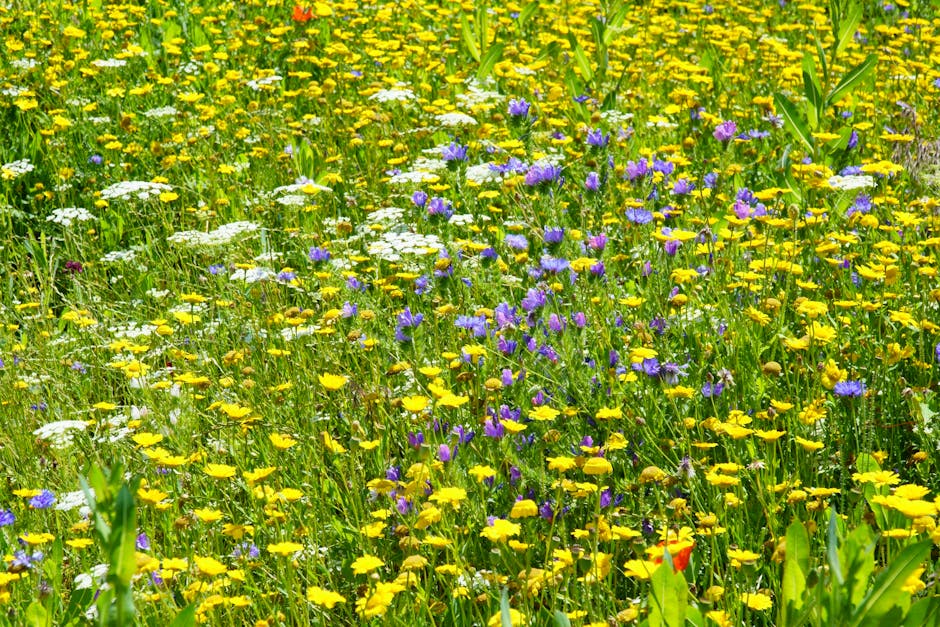
What Are Wildflowers and Why Should You Care?
Wildflowers are flowering plants that grow naturally in the wild, without being intentionally planted or cultivated by humans.
Here’s a quick-reference breakdown to get you started:
| Question | Quick Answer |
|---|---|
| What are wildflowers? | Plants that grow wild, not cultivated or hybridized |
| Where do they grow? | Meadows, roadsides, prairies, forests, and hillsides worldwide |
| When do they bloom? | Spring through summer (varies by region and elevation) |
| Why do they matter? | Support pollinators, biodiversity, and food crop production |
| Can I grow them? | Yes — using regional seed mixes suited to your climate |
They’re not just pretty. Wildflowers support bees, butterflies, and other insects that pollinate the crops we eat — including strawberries, apples, and cherries. Yet since the 1930s, the UK alone has lost 97% of its wildflower meadows. That’s a staggering decline with real consequences for ecosystems everywhere.
Whether you spotted a burst of orange poppies on a hillside, or you’re trying to identify that purple cluster growing in your backyard — this guide will help you understand, recognize, and appreciate these remarkable plants.
I’m Faisal S. Chughtai, a digital strategist and content specialist with a passion for making complex natural topics — including Wildflowers — accessible to everyday readers. Let’s explore everything you need to know to start identifying them with confidence.
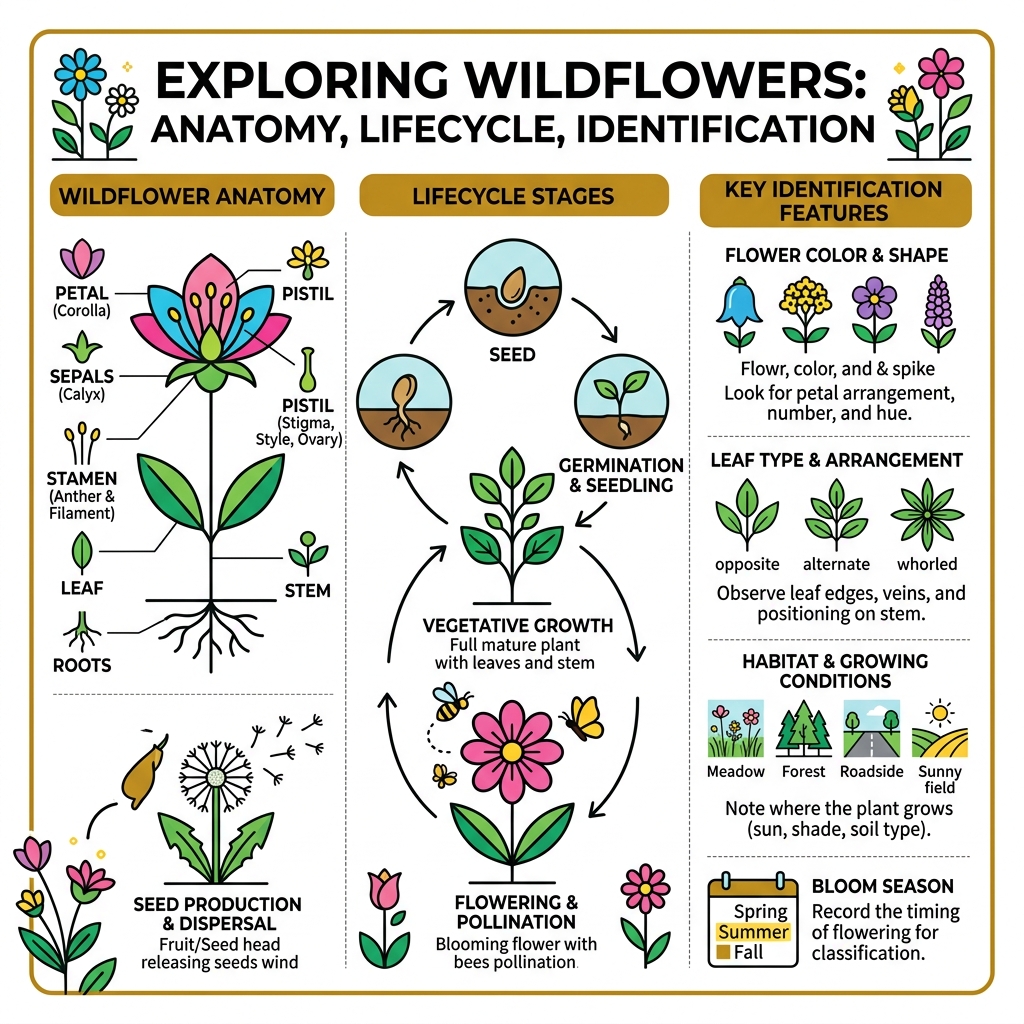
Understanding Wildflowers: Nature’s Untamed Beauty
When we talk about Wildflowers, we are referring to a vast and diverse group of plants that have evolved to thrive in specific environments without human intervention. Unlike the roses or tulips you might find at a florist, these plants haven’t been hybridized or selectively bred for size or color. They are the “original” versions of the floral world.
The Wildflower definition is actually a bit looser than you might think. Botanically, it refers to any flowering plant that grows without being seeded or planted by humans. This includes native species that have been in a region for thousands of years, as well as naturalized species that were introduced from elsewhere but now grow freely on their own.
Native, Naturalized, and Invasive: What’s the Difference?
Understanding these distinctions is key to being a responsible nature lover. We often use these terms interchangeably, but they mean very different things for the health of our local ecosystems.
| Category | Description | Impact on Environment |
|---|---|---|
| Native | Species that occur naturally in a region without human involvement. | High; supports local wildlife and maintains ecological balance. |
| Naturalized | Non-native species that grow and reproduce freely without human help. | Neutral to Positive; they fit in but weren’t originally there. |
| Invasive | Non-native species that spread aggressively and crowd out native plants. | Negative; can destroy local biodiversity and disrupt food chains. |
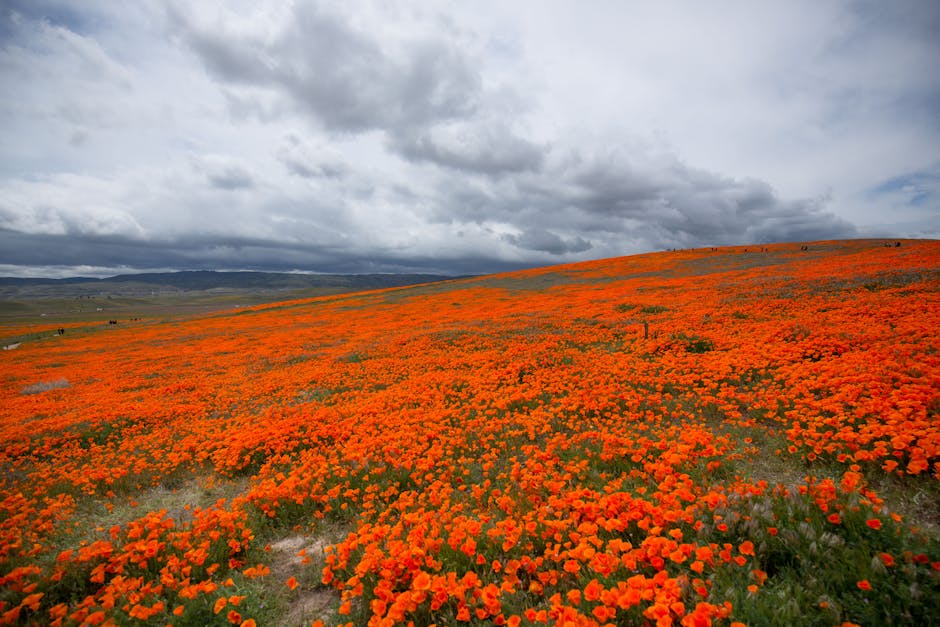
The loss of these habitats is a global concern. As we mentioned earlier, the UK has lost 97% of its wildflower meadows since the 1930s. This isn’t just about losing a pretty view; it’s about losing the foundation of our food chain. Wildflowers and their role in nature | Grow Wild | Kew highlights how these plants provide essential food and shelter for a host of insects and wildlife.
The Role of Wildflowers in Supporting Pollinators
We like to think of Wildflowers as nature’s service stations. For pollinators like bees, butterflies, and even hummingbirds, a wildflower meadow is an all-you-can-eat buffet. These plants produce nectar and pollen that fuel the flight of thousands of insect species.
In places like Texas, the Texas Wildflower Central – Lady Bird Johnson Wildflower Center tracks how native blooms support the iconic Monarch butterfly migration. Without specific “host plants” like milkweed, Monarch caterpillars simply couldn’t survive.
But it’s not just about the “famous” bugs. Wildflowers attract beneficial insects like hoverflies and parasitic wasps. While those might sound a bit scary, they are actually a gardener’s best friend because they hunt the pests that eat our vegetables. By protecting wildflower habitats, we are essentially hiring a natural security team for our food supply.
Choosing the Right Wildflowers for Your Climate
If you’re feeling inspired to bring some of this wild beauty into your own yard, we have some good news: it’s often easier than growing traditional garden flowers! However, you can’t just throw any seeds in the ground and hope for the best.
Success depends on matching the plant to your specific environment. When looking at 19 Types of Wildflowers to Consider Growing, you’ll notice that factors like USDA hardiness zones, soil requirements, and sun exposure are critical.
- Regional Seed Mixes: We always recommend using mixes designed for your specific state or region. A flower that thrives in the humid Southeast might wither in the arid West.
- Drought Tolerance: Many native wildflowers are incredibly hardy. Once established, they often require much less water than a traditional lawn.
- Perennial vs. Annual: Annuals (like Poppies) bloom once and die, but they often drop seeds for next year. Perennials (like Coneflowers) come back from the same roots year after year.
Iconic Species and Where to Find Them
Identifying Wildflowers becomes a lot easier once you recognize the “superstars” of the meadow. Across North America and beyond, certain species have become cultural icons.
- California Poppy (Eschscholzia californica): The state flower of California is famous for its brilliant orange petals. Interestingly, these petals close up at night or during cloudy weather—almost like they’re going to sleep!
- Texas Bluebonnet (Lupinus texensis): These vibrant blue spikes are a staple of the Texas Hill Country. They are part of the legume family and actually help improve the soil by “fixing” nitrogen.
- Black-Eyed Susan (Rudbeckia hirta): A favorite in many Top 50 Wildflowers – Garden.org lists, these yellow, daisy-like flowers with dark centers are incredibly tough and can bloom from mid-summer all the way to the first frost.
- Purple Coneflower (Echinacea): Not just a pretty face, this flower is widely known for its medicinal properties. It’s a magnet for butterflies and adds a structural “pop” to any field.
- Florida Coreopsis: As highlighted by the Florida Wildflower Foundation: Native Species, these bright yellow blooms are the state’s official wildflower and are essential for local pollinators.
Beyond these, keep an eye out for Bluebells in shaded woodlands, the curly Fiddlenecks (which look exactly like the neck of a violin), and the elegant Shooting Stars with their swept-back petals.
Best Locations and Etiquette for Wildflower Viewing
If you want to see these displays in their full, natural glory, timing and location are everything. Some of the most spectacular shows happen in the Western United States during “superbloom” years—rare events where perfect rainfall and temperature conditions lead to billions of flowers blooming at once.
Top Spots for Petal-Peeping
- Chino Hills State Park: Spanning over 14,000 acres of rolling hills, this park is a prime destination for seeing carpets of yellow and orange.
- Figueroa Mountain: Reaching an elevation of 4,528 feet, this spot offers dependable wildflower shows that vary as you climb higher.
- Jepson Prairie Preserve: This is one of California’s few remaining native bunchgrass prairies and protects over 400 plant species, including rare flowers found in “vernal pools” (temporary spring ponds).
The Golden Rules of Viewing
We want these blooms to be around for our grandkids to see, which means we have to be respectful. “Petal-peeping” etiquette is simple but vital:
- Stay on the Trails: Stepping into a field of flowers for a “perfect” photo crushes the plants and compacts the soil, making it harder for seeds to grow next year.
- Take Photos, Not Flowers: It’s tempting to pick a bouquet, but wildflowers wilt almost instantly once cut. Plus, every flower you pick is one less seed source for the future.
- Watch for Wildlife: You are in their home. Watch out for nesting birds or the occasional rattlesnake sunning itself near the trail.
As the late, great musician sang in Tom Petty – Wildflowers (Official Lyric Video), “You belong among the wildflowers / You belong in a boat out at sea.” We belong among them as observers, not as disruptors.
Growing Wildflowers and Sustainable Lawn Alternatives
One of the most exciting trends we’ve seen lately is the move away from high-maintenance, water-hungry grass lawns toward more sustainable, pollinator-friendly alternatives.
Why Replace Your Turf?
Traditional turf grass is essentially a “green desert” for biodiversity. It offers no food for bees and requires constant mowing and chemicals. By contrast, a wildflower meadow or a clover lawn is a living ecosystem.
- Clover Lawns: Clover is drought-tolerant, stays green even in heat, and produces tiny flowers that bees love. It’s a low-maintenance way to have a “green” yard that actually helps the planet.
- Flowering Meadows: Even a small “pocket meadow” in a corner of your yard can make a difference. You can find specialized Wildflower Seeds – Wildseed Farms that are tailored to your specific soil type.
Tips for Successful Planting
If you’re ready to “dig in,” the Lady Bird Johnson Wildflower Center – The Botanic Garden of Texas offers fantastic resources on soil preparation. The biggest mistake beginners make is just throwing seeds onto existing grass. To give your Wildflowers a fighting chance, you need to clear the area of weeds and ensure the seeds have direct contact with the soil.
Spring is a popular time for planting, but in many regions, sowing seeds in the fall allows them to go through a natural “chilling” period over winter, leading to stronger blooms in the spring.
Frequently Asked Questions about Wildflowers
How do wildflowers differ from cultivated garden flowers?
The main difference is human intervention. Cultivated flowers are often bred for specific aesthetic traits (like being “double-bloomed” or having unusual colors) and often require more fertilizer and water to survive. Wildflowers are hardy survivors that have adapted over centuries to thrive in their local climate and soil without any help from us.
When is the best time of year to see a superbloom?
In most temperate regions, the peak is from late March through May. However, this varies wildly based on elevation. In the high mountains, you might not see a “spring” bloom until July or August! Always check local park reports before heading out.
Can I pick wildflowers if they are growing on the side of the road?
Generally, the answer is no. In many states, it is actually illegal to pick wildflowers on public land or along highways. Even where it isn’t strictly illegal, it’s discouraged. Roadside flowers provide essential corridors for migrating insects. If everyone picked just one, the “corridor” would disappear!
Conclusion
At Apex Observer News, we believe that understanding the world around us is the first step toward protecting it. Wildflowers are more than just a seasonal decoration; they are a vital component of our global biodiversity. From the 14,000-acre vistas of Chino Hills to the tiny clover blooming in your backyard, these plants work tirelessly to support the pollinators that keep our food systems running.
By practicing responsible viewing etiquette, choosing native species for our gardens, and supporting conservation efforts, we can help reverse the trend of habitat loss. Whether you’re a seasoned botanist or a beginner just looking to identify a pretty bloom, we hope this guide has inspired you to get outside and explore.
For more on environmental stewardship and the latest in outdoor exploration, stay updated on the latest nature trends with us. Happy identifying!
