

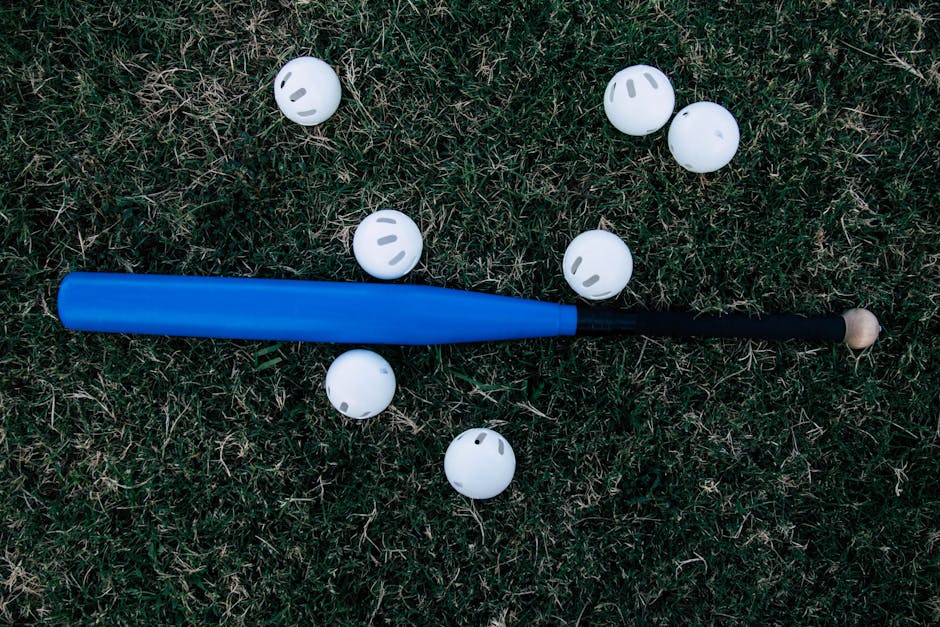
The Baseball Bat: Everything You Need to Know at a Glance
A baseball bat is one of the most iconic pieces of sports equipment in the world — but picking the right one is more complicated than it looks.
Quick answer for what you need to know about baseball bats:
| Feature | Key Details |
|---|---|
| Types | Wood, Aluminum Alloy, Composite, Hybrid |
| Certifications | BBCOR (high school/college), USSSA (travel/senior), USA (youth) |
| MLB Rules | Max 2.61″ diameter, max 42″ length, solid wood only |
| Common Drop Weights | -3 (BBCOR), -5, -8, -10 (youth) |
| Top Brands | Marucci, Louisville Slugger, Easton, Rawlings, DeMarini |
| Price Range | ~$30 (entry) to $450+ (premium) |
Whether you are buying your first bat or upgrading for a competitive league, the choices can feel overwhelming. Material, length, weight, drop, certification — every detail affects how you perform at the plate.
Here is the thing: the right bat is not the most expensive one. It is the one that fits your age, league, and swing style.
From youth players swinging a light USA-certified bat to high schoolers locking in a BBCOR -3, the differences matter — and making the wrong call can cost you performance and money.
I’m Faisal S. Chughtai, founder of ActiveX, with hands-on experience in digital content strategy across sports and tech niches, including in-depth research on baseball bat selection, certifications, and gear trends. In this guide, I’ll walk you through everything you need to find the right baseball bat for your game.
Key baseball bat vocabulary:
Understanding the Different Types of Baseball Bat
When we step into a sporting goods store, we are often greeted by a wall of shiny metal and polished wood. But what is happening under the surface? The material of your baseball bat dictates how much “pop” you get, how much your hands sting on a cold day, and how long the bat will last.
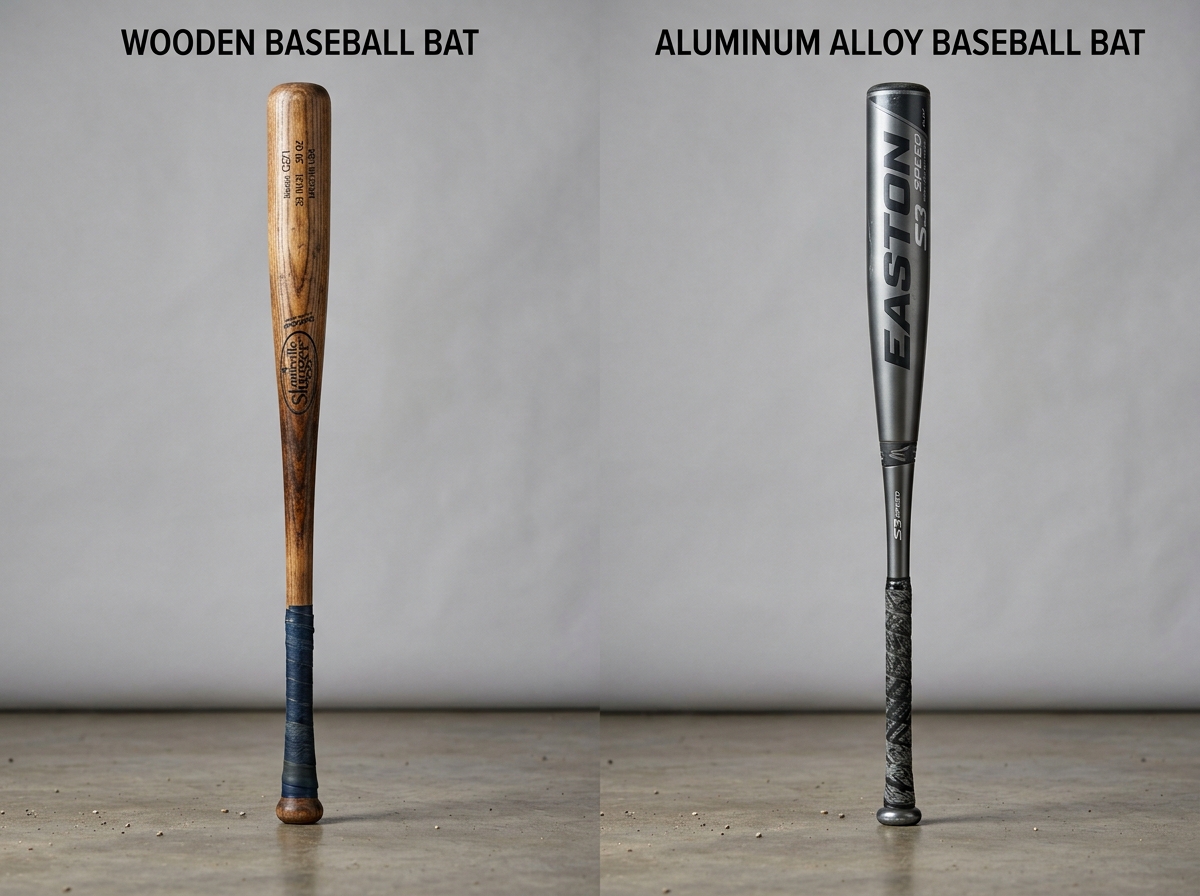
Wood Bats (The Classic Choice)
Wood is the soul of the game. Professional players in the MLB are restricted to solid wood. The three most common types of wood used today are:
- Ash: Known for its flexibility. It has a visible grain and tends to flex during the swing, which can provide a “trampoline effect.” However, ash is susceptible to the Emerald Ash Borer (an invasive beetle) and can flake or “delaminate” over time.
- Maple: The most popular choice in the big leagues today. It is incredibly dense and hard, meaning it doesn’t flex much. This leads to high exit velocity, but when it breaks, it often shatters into sharp pieces.
- Birch: A middle ground. It starts with the flexibility of ash but “hardens” over time through use, eventually reaching maple-like density.
Aluminum Alloy Bats
These are the workhorses of youth and high school ball. Made from a mixture of metals, alloy bats are “hot out of the wrapper,” meaning they don’t require a break-in period. They offer a stiffer feel and are generally more durable and affordable than composite options. If you want a bat that feels like an extension of your arms and provides a classic “ping” sound, alloy is for you.
Composite Bats
Composite bats are made from a layered material similar to carbon fiber. They are the “tech” choice. The main benefits include:
- Larger Sweet Spot: The manufacturing process allows engineers to stretch the hitting area.
- Vibration Reduction: They are much better at dampening the “sting” of a mis-hit ball.
- Swing Speed: Because the material is lighter, manufacturers can distribute the weight more precisely. Note: These bats usually require a “break-in” period of about 150-200 hits before they reach peak performance.
Hybrid Bats
Can’t decide? Hybrid bats feature a composite handle and an aluminum alloy barrel. This gives you the vibration-dampening comfort of a composite bat with the durable, high-performing “pop” of an alloy barrel. For a deep dive into the science behind these materials, you can explore the Physics and Acoustics of Baseball Bats.
Navigating League Certifications and Regulations
Before you drop $400 on a new stick, you must check the “stamp.” If your baseball bat doesn’t have the right certification mark, the umpire will pull it from the game before you even take a strike.
BBCOR Standards
BBCOR (Batted Ball Coefficient of Restitution) is the standard for high school and collegiate play. These bats are designed to perform more like wood bats for safety and to keep the game balanced. They must have a -3 drop weight and a barrel diameter no larger than 2 5/8 inches.
USSSA Certification
Often called “Senior League” or “Travel Ball” bats, USSSA bats are designed to be “hotter.” They have a 1.15 BPF (Bat Performance Factor) stamp. These are used in most competitive travel ball tournaments and allow for much higher exit velocities than BBCOR or USA bats.
USA Baseball
In 2018, many youth leagues (like Little League and PONY) moved to the USA Baseball standard. These bats are designed to perform like wood, making the game safer for younger players. Unlike USSSA, these do not have a “trampoline effect.”
The Role of the Baseball Bat in MLB Regulations
The pros have it the toughest. According to the Official MLB Rules, a baseball bat must be a smooth, round stick not more than 2.61 inches in diameter at the thickest part and not more than 42 inches in length. It must be one piece of solid wood — no hollow cores or composite handles allowed.
Other MLB rules we should keep in mind:
- Pine Tar: You can apply pine tar to the handle to improve grip, but it cannot extend more than 18 inches from the base. (Just ask George Brett about the “Pine Tar Incident” of 1983 if you want to see a classic baseball meltdown!)
- Cupped Ends: Players can “cup” the end of the bat (an indentation at the top) to remove up to half a pound of weight, helping with swing speed and balance.
- Corking: This is strictly illegal. Drifting out the center of a bat and filling it with cork or bouncy balls is a one-way ticket to a long suspension.
Stay tuned to MLB scores today to see which wood models the pros are currently using to crush home runs.
How to Choose the Perfect Fit for Your Swing
Choosing a baseball bat is a bit like choosing a pair of shoes; if the fit is wrong, you’re going to have a bad time. Here is a general guide to help us narrow down the length:
| Player Age | Recommended Bat Length |
|---|---|
| 5 – 7 years old | 24″ – 26″ |
| 8 – 10 years old | 26″ – 28″ |
| 11 – 12 years old | 30″ – 31″ |
| 13 – 14 years old | 31″ – 32″ |
| 15 – 16 years old | 32″ – 33″ |
| 17+ years old | 33″ – 34″ |
Understanding Bat Drop
The “drop” is a number you’ll see on every non-wood bat (e.g., -3, -10). It is calculated by subtracting the weight of the bat (in ounces) from its length (in inches). Example: A 30-inch bat that weighs 20 ounces has a -10 drop. Small children need a higher drop (like -12) because they need a very light bat. As players get stronger and move into high school, they must move to a -3 drop.
Swing Weight: Balanced vs. End-Loaded
- Balanced: The weight is distributed evenly throughout the bat. This is perfect for “contact hitters” who want to control the bat and maintain high swing speeds.
- End-Loaded: A portion of the weight is concentrated at the end of the barrel. This acts like a hammer, providing more force for “power hitters” who have the strength to whip the extra weight through the zone.
One-Piece vs. Two-Piece Construction
- One-Piece: The bat is a single solid piece of material. These are stiffer and provide more feedback (and more sting) but are favored by power hitters because there is no energy lost through “flex.”
- Two-Piece: The handle and barrel are manufactured separately and bonded together. These bats flex more, which can create a “whip” effect and significantly reduces vibration.
If you are just getting started, we recommend checking out our Beginner’s guide to the SF Giants to see how professional organizational structures influence player equipment choices.
The Evolution and History of Design
The baseball bat hasn’t always been the high-tech tool it is today. In the mid-1800s, players often whittled their own bats from whatever wood they could find. They were often heavy, flat, or shaped like paddles.
The “Banana Bat” and Early Innovations
In 1890, Emile Kinst received U.S. Patent 430,388 for the Banana Bat. This bat was literally curved! Kinst believed the curve would produce a “spinning motion” on the ball. While it didn’t catch on, it paved the way for other experiments like the “Mushroom Bat” (with a bulbous knob for balance).
Modern Ergonomics: Axe Handles and Torpedo Bats
In recent years, we’ve seen two major shifts:
- Axe Handles: Instead of a round knob, these bats have an oval, slanted handle like an axe. This is designed to fit the natural shape of the human hand, reducing injuries and allowing for a more flush grip. Stars like Dustin Pedroia helped make this design famous.
- Torpedo Bats: These bats feature a unique taper and weight distribution designed to maximize the “sweet spot” across a larger portion of the barrel.
Environmental Threats
The history of the baseball bat is currently facing a villain: the Emerald Ash Borer. This invasive beetle has killed over 50 million white ash trees in the U.S. This is the primary reason why the industry has shifted so heavily toward maple and birch over the last two decades.
Maintenance and Care for Longevity
A premium baseball bat is an investment. If we treat it like a piece of junk, it will perform like one.
The “Boning” Process
Have you ever seen a player rubbing their bat with an old dried bone or a glass bottle? This is called “boning.” It compresses the wood fibers, making the surface harder and less likely to flake or splinter. For modern alloy and composite bats, this isn’t necessary, but for wood, it’s a game-changer.
Moisture Prevention and Storage
Wood is like a sponge. If it gets wet, it gets heavy and loses its “pop.”
- Humidors: Some pro players, like Ichiro Suzuki, famously kept their bats in humidors to maintain a perfect 7% moisture level.
- Avoid the Garage: Don’t store your bats in a cold garage or a hot trunk. Extreme temperatures can cause composite materials to crack and wood to warp.
- Clean with Care: Use a damp cloth to wipe off dirt, but never soak the bat.
Grip Maintenance
The grip is your only connection to the bat. If it’s worn out or slippery, your swing will suffer. Replace your grip tape once a season or whenever it starts to feel “slick.” Many players use pine tar or “lizard skins” for a custom feel.
For more tips on gear and the latest diamond news, check out more baseball news.
Testing Your Baseball Bat Before Purchase
Common mistakes to avoid:
- Buying for Looks: A cool paint job doesn’t hit home runs.
- Going Too Heavy: If you can’t hold the bat out horizontally with one hand for 20 seconds without your arm shaking, it’s too heavy for you.
- Ignoring the “Sting”: If possible, go to a “Demo Day” at a local cage. Some bats vibrate significantly more than others, and you won’t know until you feel it.
Frequently Asked Questions
What is bat drop and how is it calculated?
As mentioned earlier, bat drop is the length of the bat in inches minus the weight in ounces. A 32-inch bat that weighs 29 ounces is a -3 drop. The “lower” the number (closer to zero), the heavier the bat feels. High school and college players must use a -3.
What is the difference between alloy and composite bats?
Alloy bats are made of metal (aluminum) and are ready to use immediately. They are durable and make a “ping” sound. Composite bats are made of carbon-fiber-like material, have a larger sweet spot, and reduce vibration, but they require a break-in period and are generally more expensive.
How do do I know which certification my league requires?
Generally:
- Little League/Rec: USA Baseball stamp.
- Travel Ball: USSSA 1.15 BPF stamp.
- High School/College: BBCOR .50 stamp. Always check your league’s official website before buying, as rules can change annually!
Conclusion
The baseball bat is more than just a stick; it is a precision tool that has evolved over 150 years of American history. Whether you are swinging a classic maple slab like the pros or a high-tech composite “rocket launcher” in travel ball, understanding the mechanics of your equipment is the first step toward a higher batting average.
At Apex Observer News, we are committed to keeping you informed about the gear that defines the game. From the latest MLB scores to the newest tech in the dugout, we’ve got you covered.
Stay updated on the latest baseball news and gear and we’ll see you at the ballpark!

3 thoughts on “Baseball Bat 101”
Comments are closed.