

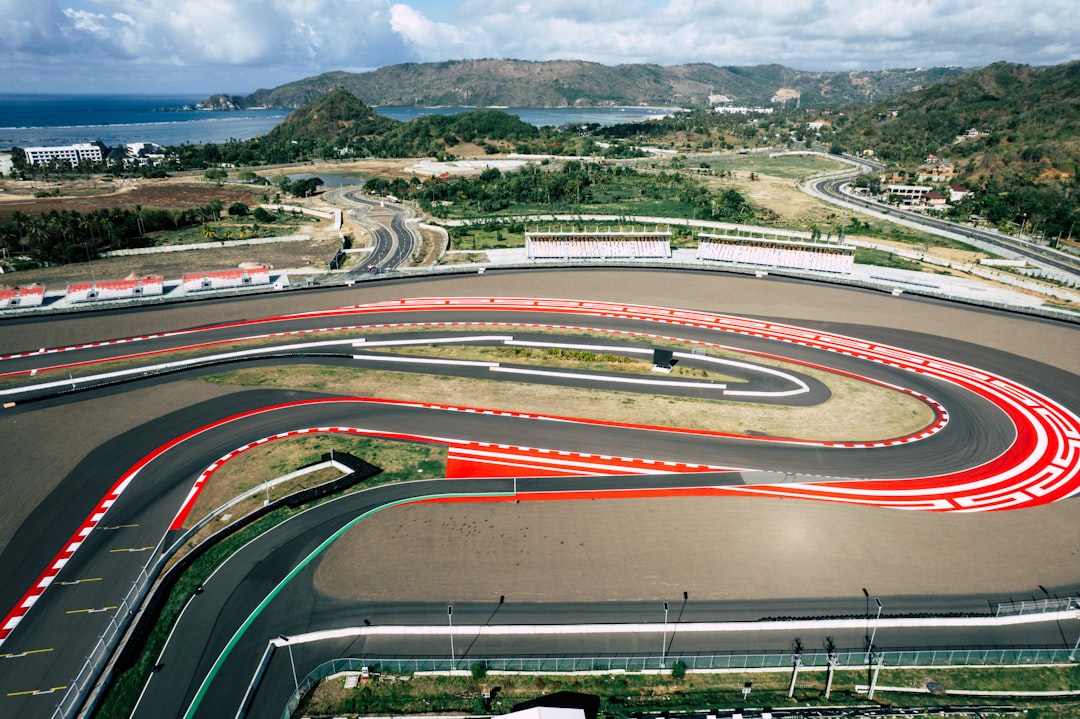
Why Suzuka Circuit Is One of the Most Iconic Racetracks in the World
Suzuka Circuit is a 5.807 km Formula 1 and motorsport venue located in Suzuka City, Mie Prefecture, Japan, owned by Honda and operated by Honda Mobilityland.
Here are the key facts at a glance:
| Feature | Detail |
|---|---|
| Location | Suzuka City, Mie Prefecture, Japan |
| Length | 5.807 km (3.608 mi) |
| Turns | 18 |
| Capacity | 155,000 spectators |
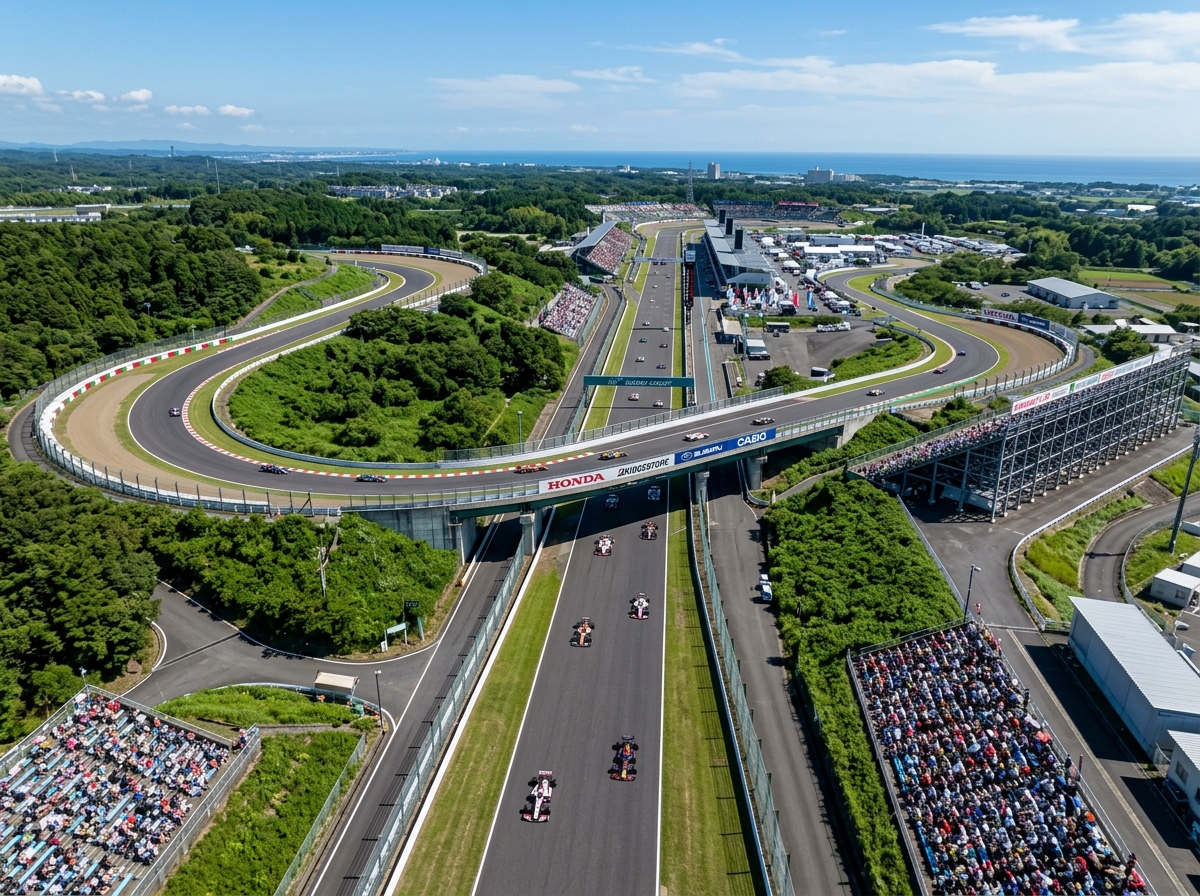
| Layout | Unique figure-of-eight with overpass |
| FIA Grade | Grade 1 |
| Opened | September 1962 |
| First F1 Grand Prix | 1987 |
| F1 Lap Record | 1:30.965 – Andrea Kimi Antonelli (2025) |
| 2026 F1 Race Date | Sunday, March 29, 14:00 |
Few racetracks earn universal love from drivers and fans alike. Suzuka is one of them. Built in 1962 under Honda founder Soichiro Honda’s belief that “without racing, cars will not improve,” the circuit was originally designed as a Honda test track. Dutch engineer John Hugenholtz gave it a one-of-a-kind figure-of-eight layout — the only FIA Grade 1 track in the world with this design.
It hosted its first Formula 1 Grand Prix in 1987 and has since been the stage for some of the sport’s most legendary moments, from the fierce Senna-Prost rivalry to four consecutive world championships decided on its tarmac between 1988 and 1991.
Beyond the racing, Suzuka offers a full family resort experience — with an amusement park, EV karting on the actual F1 track, and hotel stays right at the circuit. Whether you’re a hardcore motorsport fan or travelling with kids, there’s something here for everyone.
I’m Faisal S. Chughtai, founder of ActiveX and a digital branding and SEO specialist with deep experience covering global motorsport destinations like Suzuka Circuit through data-driven content strategy. In this guide, I’ll walk you through everything you need to know — from the track’s history and layout to planning your visit for the 2026 F1 Japanese Grand Prix.
The Legacy and Layout of the Suzuka Circuit
The story of the suzuka circuit begins with the vision of Soichiro Honda. In the early 1960s, he realized that for Japan to compete on the global automotive stage, it needed a world-class testing facility. He commissioned Dutch designer John Hugenholtz to create a masterpiece. Hugenholtz delivered a layout so ambitious that original drawings actually featured the track passing over and under itself three times!
While the final design was scaled back to a single crossover, it remains the only FIA Grade 1 track with a figure-eight configuration. When it opened in September 1962, it immediately set a new standard for racing in Asia. The track isn’t just a strip of asphalt; it’s a high-speed chess match that demands absolute precision from every driver who enters its gates. You can learn more about its cultural and geographical context through the Suzuka Circuit History and Design resources.
Technical Specifications of the Suzuka Circuit
For the technically minded, the suzuka circuit is a 5.807 km (3.608 miles) masterpiece consisting of 18 distinct turns. It is famous for its flow, where one corner leads directly into the setup for the next. The track width varies between 10 and 16 meters, providing just enough room for daring overtakes but punishing even the slightest lapse in concentration.
Key sections include:
- The S Curves (Turns 3-7): A rapid-fire sequence of bends that test a car’s aerodynamic balance.
- Degner Curve: Named after Ernst Degner, who crashed here during the track’s inaugural year.
- 130R (Turn 15): A legendary high-speed left-hander taken nearly flat-out.
- The Spoon Curve: A double-apex left-hander that leads onto the 1.2km back straight.
- The Casio Triangle: The final chicane before the start-finish straight, often the site of last-lap drama.
For a deeper dive into the geometry of these turns, check out the Detailed Course Guide.
Evolution and Safety Improvements
Over the decades, the suzuka circuit has evolved to keep pace with the increasing speeds of modern machinery. Significant modifications have been made to the 130R corner and the Casio Triangle (chicane) to improve runoff areas. Unlike many modern “Tilke-dromes” that feature massive paved runoff areas, Suzuka retains much of its traditional character with gravel traps and Tecpro barriers. This “old-school” feel is exactly why drivers like Sebastian Vettel have claimed it feels like a track “created by the gods.” Most recently, a 2025 resurfacing project ensured the tarmac remains at the pinnacle of international standards.
Major Motorsports Events and the 2026 Japanese Grand Prix
While the Formula 1 Japanese Grand Prix is the crown jewel, the suzuka circuit is a hive of activity year-round. It plays host to the grueling Suzuka 8 Hours (an iconic motorcycle endurance race), Super Formula, Super GT, and the Super Taikyu series.
Looking ahead, the 2026 Formula 1 Japanese Grand Prix is already generating massive buzz. We are looking at a spring schedule that moves away from the traditional autumn slot, aiming for better weather and improved logistics.
- Qualifying: Saturday, March 28, 2026, at 15:00 local time.
- The Race: Sunday, March 29, 2026, at 14:00 local time.
Notable Racing Moments at Suzuka Circuit
If these walls—or rather, these barriers—could talk, they would tell stories of the greatest rivalries in sports history. The late 80s and early 90s saw the suzuka circuit become the de facto championship decider.
- 1987: Nigel Mansell’s qualifying crash handed the title to Nelson Piquet.
- 1989/1990: The infamous collisions between Ayrton Senna and Alain Prost at the chicane and Turn 1 remain the most debated moments in F1 history.
- 2019: Lewis Hamilton set a blistering benchmark with a lap record of 1:30.983.
- 2025: Rising star Andrea Kimi Antonelli pushed the limits even further, clocking a 1:30.965 in his Mercedes.
Visitor Guide: Viewing Spots and Family Attractions
Attending a race at suzuka circuit is a bucket-list item, but where should you sit?
- Grandstands D and E: These offer the best views of the S Curves, where you can see the sheer change of direction of an F1 car.
- Grandstand G: Positioned at the 130R, this is for those who want to witness raw speed.
- Grandstand I: Located at the Hairpin, this is the premier spot for overtaking maneuvers.
But the fun doesn’t stop at the track fence. The Suzuka Circuit Park is a massive theme park located right next to the course. It features the “Smog Rush Adventure” shooting attraction and the “GP Racers” motorcycle-themed roller coaster. For the full list of park activities, visit the Official Suzuka Circuit Park Info.
Driving Experiences for Fans
One of the most unique aspects of this venue is that we can actually drive on the F1 track ourselves! Through the Circuit Challenger program, visitors can pilot EV karts co-developed with racing legend Takuma Sato.
- No License Required: Anyone aged 9 and up (with supervision) can participate.
- Data Recording: You receive a license card and can check your performance scores at the Data Station.
- Pre-booking: These slots sell out fast, often a month in advance, so plan ahead!
Practical Logistics for Race Attendees
Getting to the suzuka circuit requires some planning, especially since parking for major events like the Grand Prix is almost always sold out well in advance. We highly recommend using Japan’s excellent public transportation system.
The most common route is taking the Kintetsu Limited Express from either Nagoya (approx. 40 mins) or Osaka (approx. 100 mins) to Shiroko Station. From Shiroko, dedicated Mie Kotsu shuttle buses run frequently to the circuit, taking about 20 minutes.
During the F1 weekend, expect large crowds. It is vital to arrive early and follow the staggered exit plans suggested by the organizers. For the latest on gate times and entry requirements, see the Japanese Grand Prix Event Logistics page.
Frequently Asked Questions about Suzuka
How do I get to the circuit from Nagoya or Osaka?
From Nagoya, take the Kintetsu Line to Shiroko Station (40 minutes). From Osaka Namba, it takes about 1 hour and 40 minutes. Once at Shiroko, use the shuttle bus or a 15-minute taxi ride to reach the track.
When is the 2026 Formula 1 Japanese Grand Prix?
The event runs from March 27 to March 29, 2026. Qualifying is on Saturday at 15:00, and the main race begins at 14:00 on Sunday. This spring date is a relatively new shift for the event.
Are there activities for children at the track?
Absolutely! The Suzuka Circuit Park is specifically designed for families. There are safe karts for toddlers as young as two, a variety of amusement rides, and even a “Family Camp” area for those who want to stay overnight. If it’s your child’s birthday month, they even get a free park passport!
Conclusion
The suzuka circuit is more than just a racetrack; it is the spiritual home of Japanese motorsport and a testament to the legacy of Soichiro Honda. From its unique figure-eight layout to the passionate, costumed fans that fill the grandstands, it offers an atmosphere unlike any other circuit in the world. Whether you are there to witness the 2026 Grand Prix or to let your kids experience their first “drive” at the amusement park, Suzuka delivers an unforgettable experience.
At Apex Observer News, we strive to keep you updated on the most exciting developments in sports and tech. To stay ahead of the curve, Explore the latest global sports trends on our platform. We’ll see you at the finish line!
