

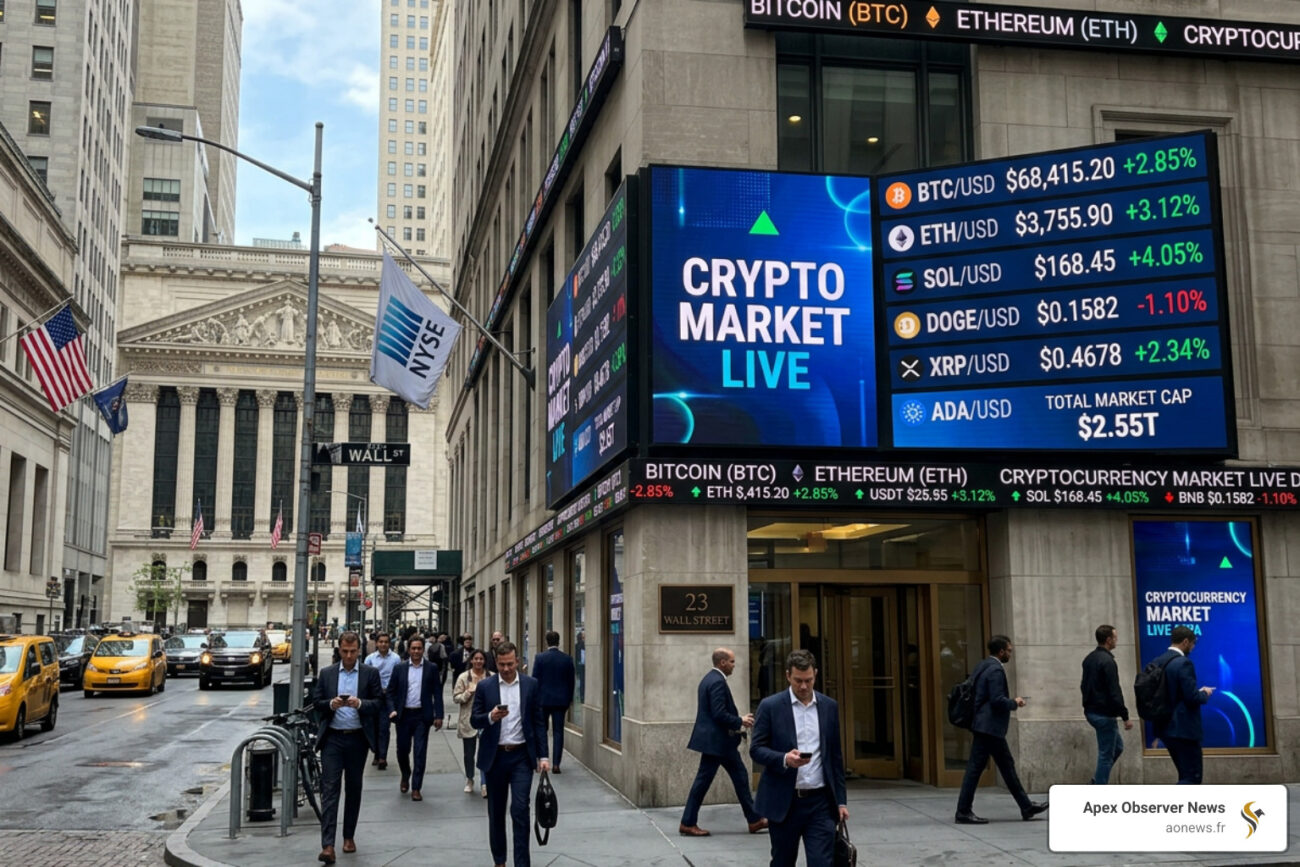
Why Crypto News Matters Right Now
Crypto news is moving fast — and missing even one update could mean missing a major market shift.
Here’s a quick snapshot of what’s happening right now:
| Topic | Key Update |
|---|---|
| Regulation | SEC and CFTC sign landmark MOU to coordinate crypto oversight |
| Bitcoin Price | Trading at $67,472, up 5% this week |
| Ethereum Price | Trading at $1,984, up 1.34% |
| Geopolitics | Bitcoin up 8% since Iran war began, outperforming S&P 500 and Nasdaq |
| Derivatives | Futures open interest hit $107.6 billion, up 5% in 24 hours |
| Altcoins | Altcoin Season Index at 40/100, highest since January |
| Liquidations | $371 million in crypto liquidations in the past 24 hours |
The crypto market is navigating a rare mix of geopolitical conflict, sweeping regulatory change, and rising institutional interest — all at once.
Two of the biggest U.S. financial regulators have officially called a truce. The Federal Reserve’s next move is in question. And Bitcoin is quietly outperforming traditional assets while a Middle Eastern war keeps oil near $100 a barrel.
Whether you’re tracking price crypto currency trends, watching policy, or exploring the fundamentals of crypto — this is the moment to pay close attention.
I’m Faisal S. Chughtai, founder of Apex Observer News, with hands-on experience in digital strategy and tracking crypto news across fast-moving markets. I’ll walk you through the 10 most important updates you need right now.
SEC and CFTC End Turf War with Landmark MOU (Regulatory Crypto News)
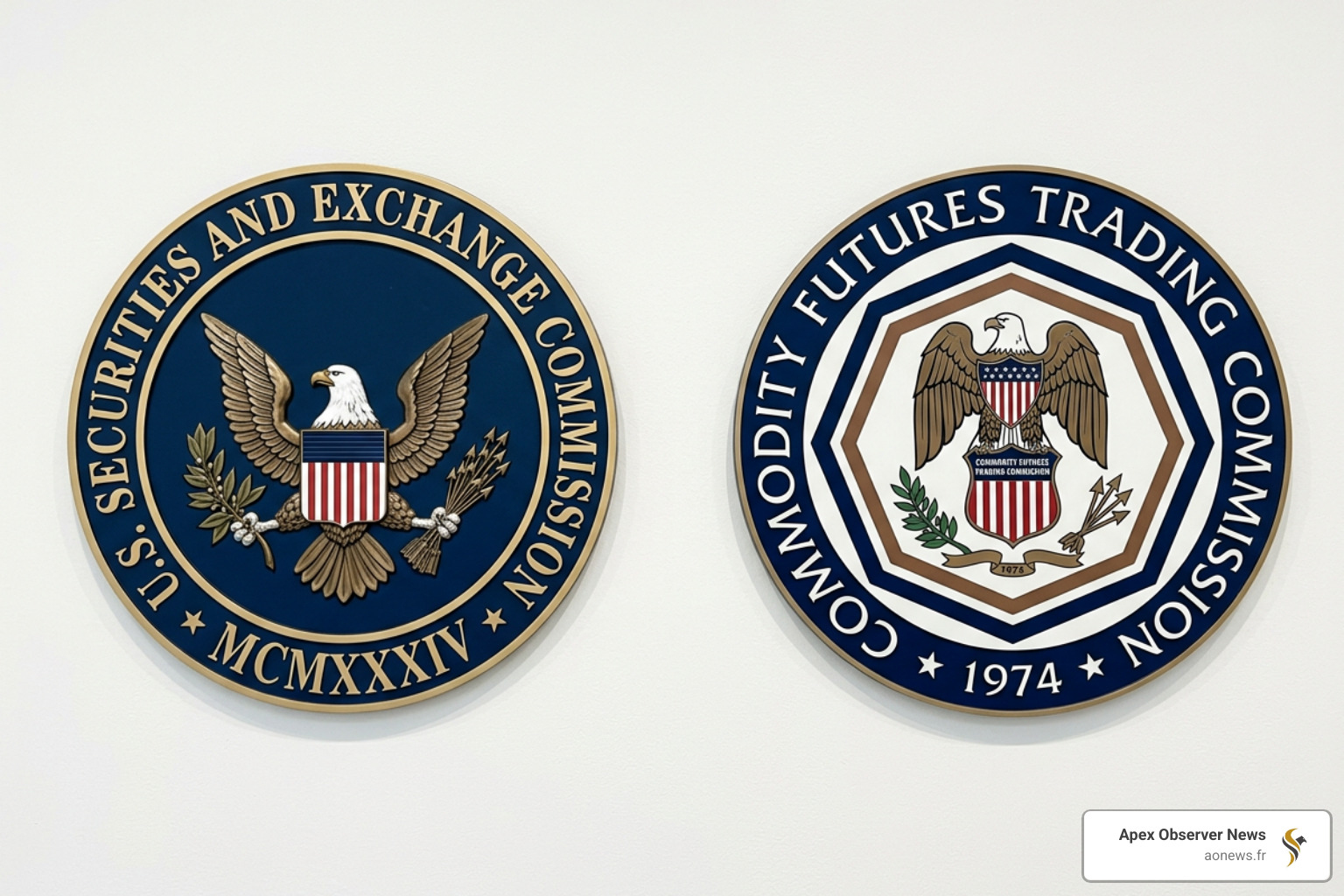
In a move that we believe marks a definitive turning point for the digital asset industry, the two most powerful financial regulators in the United States have officially declared a truce. On March 11, 2026, the Securities and Exchange Commission (SEC) and the Commodity Futures Trading Commission (CFTC) signed a landmark Memorandum of Understanding (MOU). This agreement is designed to harmonize the oversight of the $2.37 trillion crypto industry, replacing years of “regulation by enforcement” with a cooperative framework.
For decades, jurisdictional infighting has left crypto firms in a state of limbo. Is a token a security or a commodity? Under the leadership of SEC Chair Paul Atkins and CFTC Chairman Michael Selig, the agencies are finally aligning their definitions. This MOU establishes formal procedures for sharing data, conducting joint meetings with market participants, and coordinating policy decisions.
Key pillars of this agreement include:
- Joint Harmonization Initiative: A program to align rulemaking processes and eliminate duplicative agency registrations.
- Digital Asset Task Force: A specialized group focused on “boundary assets” that might share characteristics of both securities and commodities.
- Real-Time Data Sharing: A secure portal for cross-market risk monitoring to prevent systemic collapses.
By aligning these two giants, the U.S. is positioning itself to foster innovation rather than driving it offshore. This shift is essential for Decoding Cryptocurrency: Beyond Bitcoin and the Future of Finance, as it provides the legal certainty required for institutional growth.
Streamlining Compliance for Decentralized Applications
One of the most exciting aspects of the new MOU is the introduction of “regulatory sandboxes.” These sandboxes will allow developers to launch decentralized applications (dApps) under a grace period. During this time, projects can work toward full decentralization while operating under what regulators call a “minimum effective dose” of oversight. This strategy ensures market integrity without stifling the underlying code’s potential.
Bitcoin Resilience Amid Geopolitical Tensions and Oil Surges
While traditional markets have struggled under the weight of the Iran war, Bitcoin has displayed remarkable resilience. Since the conflict began on February 28, Bitcoin has gained 8%, significantly outperforming the S&P 500 (down 3%) and the Nasdaq (down 2%). Even as oil prices surged toward $100 per barrel following U.S. strikes on Kharg Island, the digital asset market refused to buckle.
Historically, Bitcoin was seen as a “risk-on” asset that moved in lockstep with tech stocks. However, recent crypto news suggests a shift in the narrative. Bitcoin is increasingly being viewed as “digital gold”—a safe haven against geopolitical instability and stagflation risks. While it gave back some gains following headlines about oil infrastructure threats, it stopped its descent far earlier than traditional equities.
This resilience comes at a time when even major institutional players are changing their tune. For instance, Vanguard Finally Dips a Toe into Crypto Waters as Bitcoin’s Bounce Goes Past $91,000, showing that even the most conservative asset managers are beginning to recognize Bitcoin’s role in a modern portfolio.
Current Market Prices and Performance Trends in Crypto News
The market remains volatile, but the underlying trend for the week has been positive. Short liquidations have outpaced longs, suggesting that “bears” are getting squeezed as prices climb.
| Cryptocurrency | Current Price | 24h Change | 7-Day Trend |
|---|---|---|---|
| Bitcoin (BTC) | $67,472.77 | +0.34% | +5.0% |
| Ethereum (ETH) | $1,984.95 | +1.34% | +4.2% |
| Litecoin (LTC) | $53.34 | +0.54% | Stable |
| XRP | $0.62 | +2.10% | Bullish |
We are also seeing a shift in the “Altcoin Season” index, which currently sits at 40/100. This is the highest level since January 9, signaling that investors are beginning to move capital back into smaller projects. You can keep a close eye on these fluctuations with a current crypto currency prices check to ensure you don’t miss the next breakout.
Derivatives Data Signals Bullish Momentum Despite Volatility
If you want to know where the smart money is moving, look at the derivatives market. Industry-wide futures open interest (OI) increased by 5% to $107.6 billion over the past 24 hours. Specifically, Bitcoin’s open interest rose to 687,200 BTC, the highest level since late February. When OI rises alongside price, it generally indicates that new money is entering the market to support the current trend.
The past 24 hours saw $371 million in total liquidations. Interestingly, short liquidations ($207 million) significantly outweighed long liquidations ($163 million). This suggests that many traders were betting on a price drop due to the Iran war, only to be caught in a “short squeeze” as Bitcoin held its ground. For those looking to dive deeper into these mechanics, we recommend checking The Ultimate Guide to Crypto for a breakdown of how leverage impacts market cycles.
You can also check real-time liquidations data to see how the “battle of the bulls and bears” is playing out in real-time.
Institutional Response and ETF Market Shifts in Crypto News
Institutional players are no longer sitting on the sidelines. ETF managers are reporting a “thawing” of the crypto winter. ProShares’ Simeon Hyman recently noted a bullish trend, emphasizing that Bitcoin’s diversification story remains strong even as the U.S. dollar strengthens.
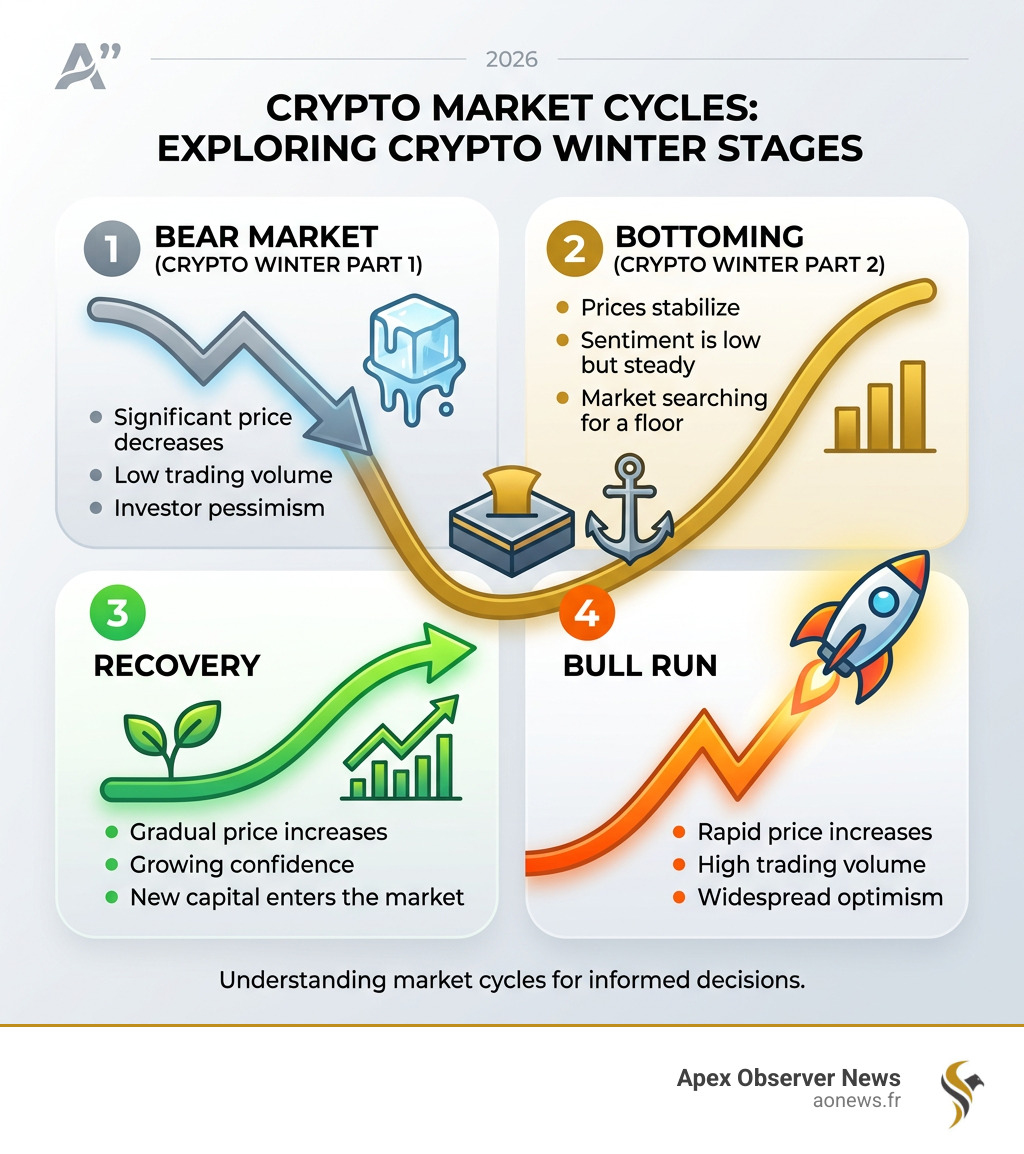
While some funds like the ProShares KRYP ETF have seen rocky starts since their February debut, they have outperformed gold and the S&P 500 since the onset of the Middle Eastern conflict. Companies like MicroStrategy continue to hold firm, and the consensus among many analysts is that we are in the “bottoming stage” of a classic four-year cycle.
The Trump Administration and the Future of Prediction Markets
The current administration is taking a markedly different approach to crypto regulation. Trump’s nomination of pro-innovation figures to key posts has shifted the mood in Washington. CFTC Chairman Michael Selig is leading the charge to “future-proof” the agency. In a recent op-ed for the Washington Post, Selig described the old regulatory structure as “arbitrary, cumbersome and opaque.”
A major focus of this new era is the role of prediction markets. Platforms like Kalshi and Polymarket have exploded in popularity, allowing users to hedge risks on everything from election results to economic data. Selig positions these markets as essential tools for “forecasting truth.” This evolution is a key part of how Decentralized Finance (DeFi): The Financial Trend Disrupting Traditional Banking is beginning to merge with mainstream financial systems.
Legislative Hurdles for the Crypto Market Structure Bill
Despite the regulatory “truce,” legislation is still facing a bumpy road in Congress. A sweeping cryptocurrency market structure bill passed the House in July but has stalled in the Senate Banking Committee.
Several factors are contributing to the delay:
- Gaming Industry Lobbying: Groups like the American Gaming Association are pushing to ban sports event contracts within the bill.
- Internal Industry Disagreements: Even Coinbase CEO Brian Armstrong has expressed concerns, stating he’d “rather have no bill than a bad bill” regarding specific draft language.
- Competing Acts: Lawmakers are still debating how to integrate the bill with the GENIUS Act and the CLARITY Act.
While the U.S. debates, other regions are moving forward. For instance, HashKey Aims for US$214 Million in Hong Kong IPO, proving that the global race for crypto dominance is well underway.
Frequently Asked Questions about Crypto News
How does the SEC-CFTC MOU affect crypto startups?
The MOU is a game-changer for startups because it aims to eliminate “double-registration.” Previously, a firm might have to register with both the SEC and CFTC, facing duplicative fees and conflicting rules. The new Digital Asset Task Force provides a “single point of entry” for registration, offering much-needed clarity and reducing the administrative burden that often pushes young companies to move offshore.
Why is Bitcoin outperforming stocks during the Iran war?
Bitcoin’s fixed supply of 21 million coins makes it resistant to the inflationary pressures that often accompany war and oil shocks. While stocks suffer from supply chain disruptions and declining consumer confidence, Bitcoin benefits from its “digital gold” narrative. It operates on a global, 24/7 ledger that doesn’t depend on any single government’s stability, making it an attractive “neutral” asset during times of international conflict.
What are the key indicators for the next Altcoin Season?
We look at three main things:
- The Altcoin Season Index: Currently at 40/100; a move toward 75 usually signals a full-blown “season.”
- Ethereum Performance: ETH often leads the way for altcoins; its recent 1.34% gain is a positive sign.
- Sector Surges: Keep an eye on AI-themed tokens (like TAO and FET) and “PolitiFi” memecoins (like TRUMP), which have recently seen gains of 14% to 30%.
Conclusion
The crypto news landscape is currently defined by a “Golden Age” of regulatory coordination and surprising market resilience. The truce between the SEC and CFTC marks the end of an era of uncertainty, providing a “fit-for-purpose” framework that could finally unlock massive institutional capital.
However, we must remain mindful of broader economic factors. With the Fed likely holding interest rates steady at 3.5%-3.75% and stagflation risks looming due to high oil prices, the path forward won’t be a straight line. Market integrity is being tested, but the data—from rising open interest to Bitcoin’s outperformance of the S&P 500—suggests a strong foundation is being built.
To ensure you never miss a beat in this fast-evolving industry, stay updated on the latest crypto news at Aonews.fr. Apex Observer News will be here to aggregate the headlines that matter, helping you navigate the volatility with confidence.
